
Let's start with the real difference
Honestly, if you've only ever used a traditional vibrator, you might assume all pleasure devices work basically the same way. They don't. Suction and vibration are operating on entirely different biological principles, and the sensation is so distinct that many people who didn't respond to one will absolutely light up with the other.
The lemon clitoral vibrator by Hello Nancy uses air-pulse technology, which is a suction-based system. That means it's not buzzing against your skin like a wand vibrator or a bullet. It's pulsing and releasing, creating a rhythmic squeeze sensation that travels deeper and feels nothing like traditional vibration.
How vibration actually works
A traditional vibrator creates pleasure through rapid, consistent micro-movements. Think of it like a very fast back-and-forth motion. The vibrations spread across the surface of the skin and into the tissue beneath, stimulating nerve endings through mechanical oscillation.
This works brilliantly for a lot of people. The sheer speed and consistency create a building sensation that many find easy to get off to. But vibration has a ceiling for some bodies. If your clitoris is particularly sensitive, the constant micro-oscillations can feel overwhelming or even numbing over time. And if you have neuropathy, arthritis, or certain sensory sensitivities, vibration can feel harsh rather than pleasurable.
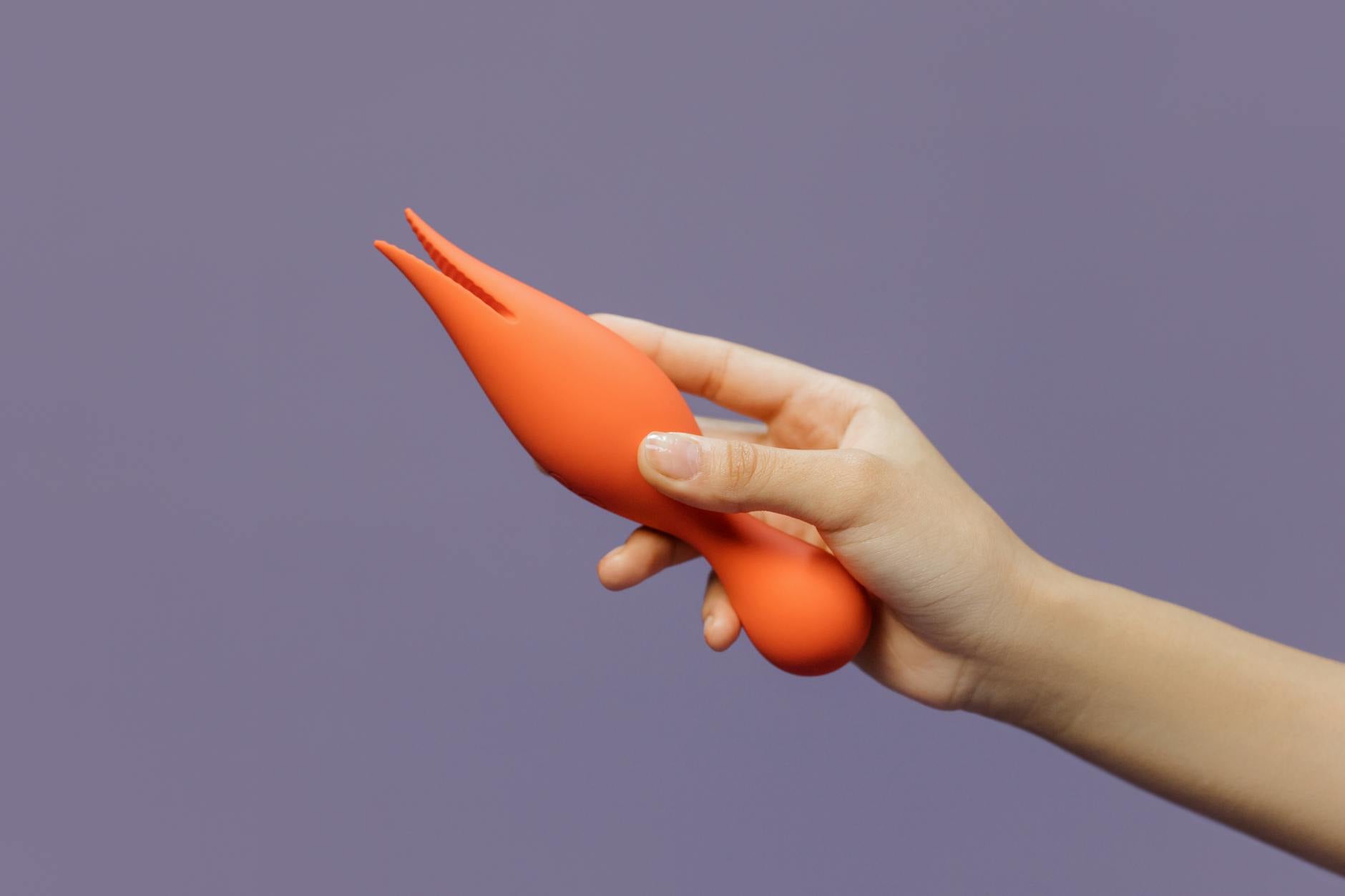
Photo by cottonbro studio on Pexels
The clitoral tissue is also deeply networked with nerve clusters. Some are responsive to vibration. Others respond almost exclusively to pressure and suction.
How suction sensation works differently
Suction creates pleasure through a pulse-and-release pattern. The lemon vibrator's air-pulse technology draws the clitoral tissue into a gentle chamber, holds it briefly, then releases. This creates a rhythmic