Let's talk about what hormonal IUDs actually do to desire
You spent three to seven years with a device releasing synthetic hormones directly into your system. Most of those hormones stayed local, but enough entered your bloodstream to suppress ovulation and, often, desire itself. That numbness wasn't weakness. It was chemistry. And now that the IUD is out, your body is waking up—sometimes in confusing ways.
The removal leaves a gap. Sensation doesn't roar back overnight. Most people find their clitoris feels muted for weeks or months afterward, like they're touching someone else's body. Arousal takes longer to build. Orgasms feel distant or impossible. The good news: your nervous system didn't break. It just needs retraining.
What happens neurologically when the hormones leave
Hormonal IUDs work by releasing progestin, a synthetic version of progesterone. Progestin suppresses the surge in luteinizing hormone that triggers ovulation—but it also reduces overall estrogen sensitivity in the brain and genital tissue. This is especially true for the clitoris, which is exquisitely sensitive to hormonal shifts.
When you remove the device, your estrogen levels climb back over weeks or months, and your brain's dopamine pathways (responsible for desire and reward) start reactivating. But it's not instant. Your clitoris has been in a low-stimulation state for years. The nerve endings are there. The capacity for pleasure is intact. But the sensitivity has dimmed.
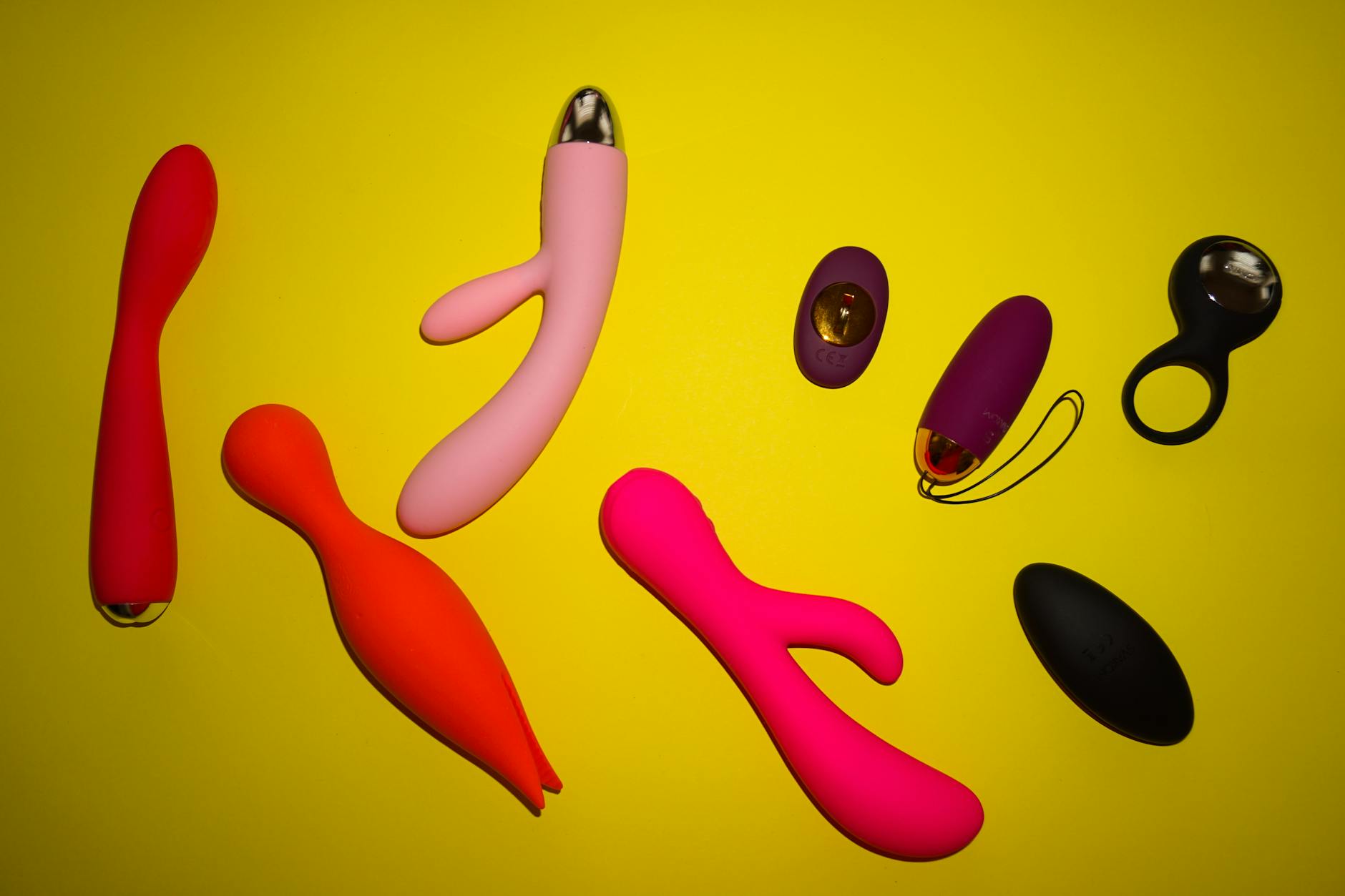
This is where clitoral vibrators like the Lem come in. They don't just provide stimulation. They create a novel sensation pattern that helps your nervous system recognize pleasure signals again.
Why clitoral suction vibrators work better than other toys during this transition
Think of your clitoris like a radio that's been set to a very quiet frequency. A standard vibrator uses percussive stimulation—it taps at a consistent rate. That works fine when sensitivity is normal. But after hormonal suppression, your nerve endings need gentler awakening.
Clitoral suction vibrators like the Lem use rhythmic pulsing air pressure instead of direct vibration. This stimulates the nerve clusters surrounding the clitoris without the mechanical intensity that can feel overwhelming or numb during early recovery.
The suction pattern also mimics a natural tongue motion more closely than standard vibration does. Your nervous system recognizes this familiar pattern faster, which means arousal builds more naturally and orgasm feels less like a technical achievement and more like actual pleasure.
Start at pattern one or two. You're not building strength here—you're rebuilding sensitivity. Speed comes later.
The timeline for sensation recovery after IUD removal
Weeks one to three: Expect nothing except patience. Your hormone levels are unstable. Desire might spike randomly or stay completely absent. Both are normal.
Weeks four to eight: Your first real arousal window usually appears here. It may be subtle. You might notice a slight tingle during a shower or a thought that makes you curious. That's your clitoris coming online. Use the Lem on low settings for fifteen to twenty minutes, but don't chase orgasm. The goal is sensation, not outcome. Many people find that the external stimulation combined with returning hormones creates a soft, building pleasure that feels nothing like it did before the IUD, but doesn't feel bad.
Months two to four: Sensitivity deepens. Orgasms may still feel muted or take longer to reach, but they're happening. This is the time to gradually increase intensity if it feels good. You're essentially retraining your clitoris to recognize escalating sensation as a path toward release.
Months four plus: For most people, sensation normalizes around month four or five. This varies wildly depending on how long you had the IUD, your baseline sensitivity, age, and overall hormonal health. Some people hit full sensitivity in six weeks. Others take a year. There is no wrong timeline.
The emotional piece people skip but shouldn't
Sensation loss after IUD removal isn't only physical. Most people report feeling disconnected from their body during the hormonal suppression period. They stopped noticing their body's signals entirely—not just sexual ones, but hunger, fatigue, and mood too.
When you start using a clitoral vibrator during recovery, you're not just stimulating nerves. You're practicing self-attention again. You're giving yourself permission to feel. For many people, that permission piece is harder than the sensation part.
If you're partnered, separate the conversation from expectations of sex. "I'm exploring my body again" is different from "I want us to have more sex." One is about you reconnecting with yourself. The other is about your partner. Confusing them creates pressure that kills the whole process.
How to use a lemon vibrator safely during recovery
You don't need much. Water-based lubricant, time, and a quiet space where you're not worrying about anyone walking in.
Start with pattern one on the Lem. Place it gently over your clitoris—not inside, just over the external area. Keep it there for two to three minutes. You're not looking for vibration intensity. You're looking for sensation recognition. Your brain needs time to register "oh, I can feel that again."
Most people in the first month find that sessions work best when they're not goal-oriented. Twenty minutes of exploration beats five minutes of trying to orgasm. If an orgasm happens, great. If not, you still reconnected with sensation, which was the actual goal.
Increase intensity gradually over weeks. Week five, try pattern two. Week seven, maybe pattern three. Listen to your body's response. If something feels too intense, stay where you are for another week. If it feels good and building, keep going.
Many people find that combining the Lem with their own touch—hand on their body, exploring where sensation is returning—accelerates the process. The combination of suction stimulation plus self-touch creates a more complex sensory pattern that helps your nervous system rebuild faster.
When to check in with a doctor
If three months post-removal you're experiencing pain, burning, or increasing numbness rather than gradual sensation return, talk to your gynecologist. Sometimes the hormonal shift reveals an underlying condition—like vulvodynia or neuropathy—that was masked by the IUD's suppression. That's not a failure. It's just new information that changes the recovery approach.
If you're past month four and sensation hasn't improved at all, ask about estrogen levels. Occasionally, the IUD suppressed hormones so completely that your body needs time to ramp production back up. Your doctor can measure and, if needed, recommend a short course of topical estrogen to accelerate recovery.
FAQ about sensation recovery after hormonal IUD removal
How long does it actually take for sensation to come back after IUD removal?
Most people report noticeable sensitivity returning within one to three months, with full sensation recovery by month four or five. The timeline depends on how long you had the IUD, your age, and your baseline hormone responsiveness. A five-year IUD takes longer to recover from than a three-year one—just like jet lag is worse after a longer trip.
Can I use my regular vibrator during this time, or do I need a special toy?
You can use what you have, but clitoral suction vibrators like the Lem are often gentler during early recovery because they don't require the same tissue sensitivity that standard vibrators demand. If your regular vibrator feels too intense or numb on its normal settings, that's a sign to either lower the intensity or try a gentler tool. You're not broken—you're just recalibrating.
Is it normal that my clitoris feels like a stranger's body right now?
Completely normal. Hormonal suppression creates disconnection from your whole body, not just your genitals. People describe it as watching their body from the outside. That feeling fades as sensation returns. Using a clitoral vibrator is partly physical retraining and partly reconnection practice. You're literally learning to feel yourself again.
What if I'm not interested in partnered sex during recovery—is that bad?
Not bad at all. Libido often returns in stages. External sensation comes back first. Desire for partnered sex sometimes takes longer. Solo exploration with a tool like the Lem gives you a safer space to rebuild sensation without performance pressure. Partner sex can wait. Your body's recovery can't.
Should I tell my partner I'm using a vibrator during this recovery phase?
If you're in a committed relationship, honesty helps. Frame it as: "I'm working with my body to rebuild sensation after the IUD. This is about me reconnecting with myself, not about anything being wrong between us." Most partners appreciate that clarity more than secrecy. If your partner resists sex toys, that's a separate conversation worth having with a couples counselor—especially when your body is already in a vulnerable state.
Can I use lemon vibrators alongside my partner once sensation starts returning?
Absolutely. Many people find that combining clitoral suction stimulation with partnered intimacy actually accelerates sensation recovery and makes partnered sex more pleasurable faster. The Lem can be integrated into foreplay in ways that feel mutual rather than replacement. Some couples use it as a bridge during the transition period when sensation is still developing.
What's actually worth knowing
Your body didn't break. The hormones silenced its signals for years. Now that the device is gone, you're not starting from zero—you're waking up something that was just sleeping.
Clitoral vibrators like the Lem are tools for that waking. They're not magic. They're not cheating. They're a practical way to help your nervous system recognize pleasure again when hormones have suppressed it for years.
The real timeline is personal. Some people reconnect with sensation in six weeks. Others take six months. The goal isn't to match someone else's recovery. It's to practice patience with yourself during the process.
If you're struggling with sensation recovery or have questions about whether your experience is typical, reach out to a sex-positive gynecologist or therapist. You deserve support during this transition, and you deserve pleasure on the other side of it.
Your body is worth reconnecting with. The Lem is just a tool to help you do it at your own pace.