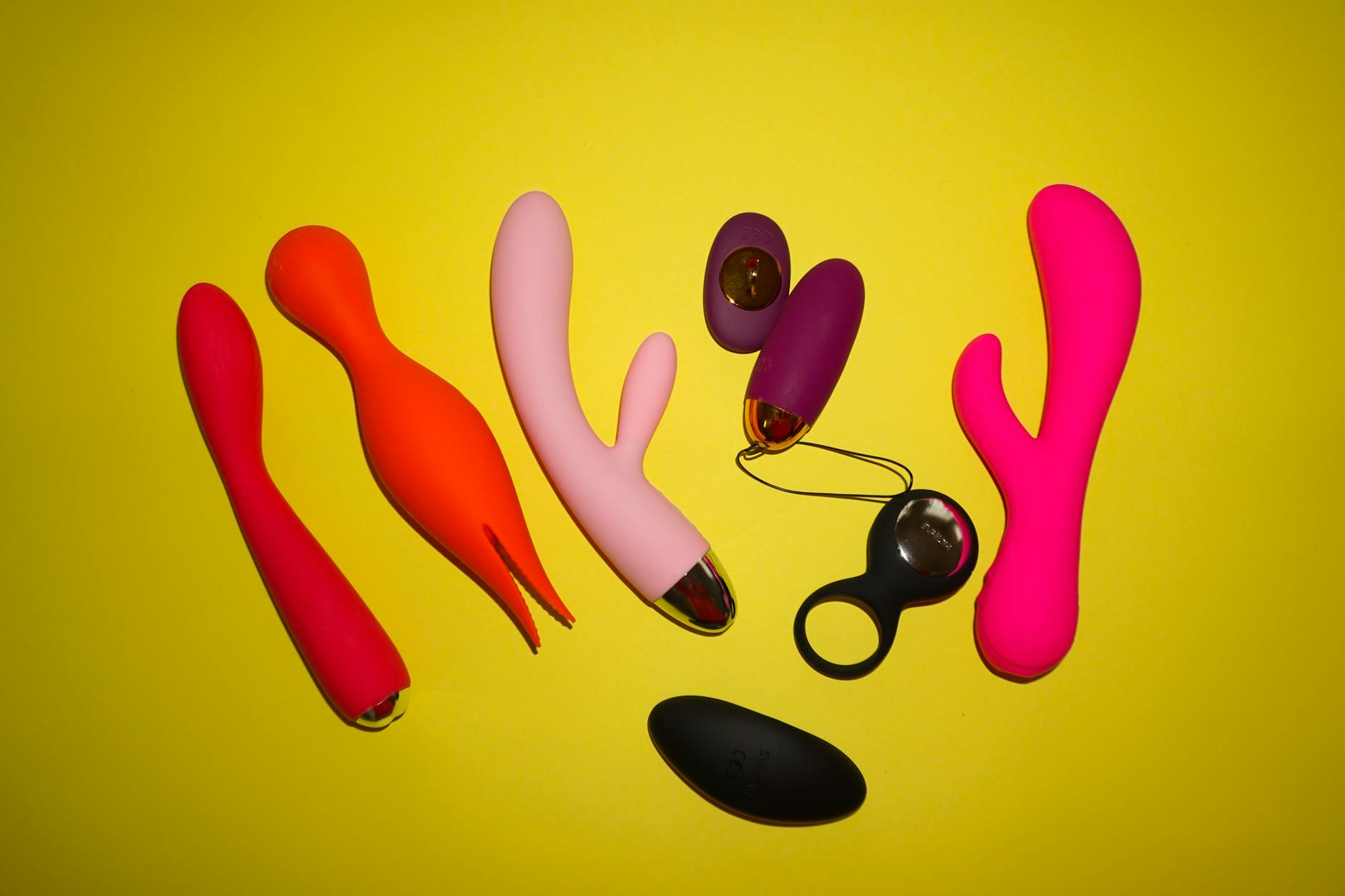
Let's talk about the medication elephant in the bedroom
You take a medication for anxiety, allergies, or chronic pain. Within weeks, orgasms feel further away. Stimulation that used to work doesn't register. Your partner touches you and it's like they're touching someone else's body. You're not broken. Your medication is doing its job. But that doesn't make it less frustrating.
Here's what I tell people: sensation loss from medication is real, it's common, and it's often fixable. The fix isn't always "switch medications." Sometimes it's about working smarter with the right tools. Lemon vibrators and clitoral vibrators work in ways that can bypass some of the numbing effects and help your nervous system wake back up.
Which medications actually numb sensation
A bunch of them, honestly. The main culprits:
Antidepressants (especially SSRIs like sertraline, paroxetine, fluoxetine) are the notorious ones. Between 40 and 60 percent of people taking them report sensation dulling. It's not always orgasm difficulty. Sometimes it's reduced genital sensation, slower arousal, or feeling less "in your body" during sex.
Antihistamines and decongestants dry out mucous membranes. This affects the clitoris and vulva the same way it affects your sinuses. Topical numbing products (like those used in dental work or hemorrhoid treatment) can numb sensation if applied too close to the genital area.
Opioids and other strong pain meds muffle your nervous system's ability to register pleasure signals. Some blood pressure medications and anticholinergics do the same. And yes, even some birth control formulations can reduce sensation for about 10 to 15 percent of users.
The common thread? They're all suppressing nerve signal transmission or drying tissue. Your nerves are still there. They're just not getting the message as clearly.
Why lemon vibrators approach this differently
Most vibrators use frequency and intensity to get the job done. If your nerves are dampened, you either need a very intense vibrator or you need a different strategy altogether.
Lemon clitoral vibrators work with suction and pulsing rather than pure vibration. This matters because suction stimulates nerves differently than vibration does. Instead of relying on your dulled nerves to catch a fast vibration, suction creates sustained pressure and release. It's like the difference between a tap on the shoulder and a hand grip.
For people with medication-related numbness, this distinction is huge. Suction engages more of the nerve tissue in the clitoris. It doesn't need to overcome a threshold of sensation in the same way a standard vibrator does. You're not fighting the medication. You're working around it.
This is why people recovering sensation often say that lemon vibrators feel different. They're not just stronger. They're accessing sensation through a different neurological pathway.
The science underneath (what's actually happening)
Your clitoris has two types of sensory nerve endings: those that respond to fine touch (like fingertips) and those that respond to pressure and movement. Medication dampens signal transmission across all of them, but the pressure receptors are often the last to go completely numb.
When you use a lemon vibrator, you're primarily activating those pressure receptors through suction and pulsing patterns. Your numbed fine-touch nerves take longer to rebuild sensitivity. But pressure sensation often remains accessible, even when other sensation has dimmed.
Over time, with consistent use of the right tool, those dulled nerves start firing more reliably again. This isn't neuroplasticity in the fancy sense. It's simpler: you're stimulating the system regularly with a method that actually works for your current capacity. Your nervous system responds by tuning back in.
I had a client who'd been on sertraline for three years. She'd accepted that orgasms were off the table for her. After four weeks of using a clitoral vibrator designed with suction in mind, she started noticing tingling sensations return. After twelve weeks, orgasms came back. The medication hadn't changed. Her approach had.
How to start rebuilding sensation safely
First, check with your doctor. I'm serious. If you're on a medication that's causing numbness, they need to know you're working on this. Sometimes adjusting the dose, changing the time you take it, or splitting the dose helps. Sometimes switching to a different medication in the same class works. You want their input before you self-solve.
Assuming you're cleared to move forward, here's the approach:
Start with lower intensity settings on any vibrator you use. Your dampened nerves need gentle invitations, not aggressive stimulation. Most of us go straight to maximum intensity when we're not feeling much. That's backwards. Start at pattern one, spend time there, let your body adjust.
Use water-based lubricant even if you don't think you need it. Medication-induced numbness often comes with dryness too. Lube helps the vibrator create the suction pattern it's designed for. Without it, you lose the mechanism that makes lemon vibrators effective.
Commit to at least four weeks of regular use. Sensation doesn't bounce back in a day. You're rebuilding neural responsiveness. That takes consistent stimulation. Three times a week minimum is the floor.
Build in warm-up time. Your body's arousal response is also likely dampened. Give yourself 15 to 20 minutes of touching, breathing, or fantasizing before you bring in the vibrator. You're priming the nervous system.
Track what changes. Not obsessively, but notice. Are certain patterns waking up sensation faster? Are certain times of day better? Is the sensation coming back in waves or steadily? This information helps you optimize.
When to consider other options
If after eight to twelve weeks of consistent use you're not noticing any shift, talk to your doctor again. Sometimes the medication dose needs adjusting. Sometimes you need to try a different class of medication entirely. Sometimes a topical testosterone cream applied to the clitoris can help restore sensation even while you're on a dulling medication.
For people on SSRIs specifically, adding a medication like bupropion or buspirone alongside the antidepressant sometimes restores sexual sensation while keeping depression managed. This is worth discussing if sensation hasn't returned.
Also worth knowing: if your medication is numbing sensation, it's probably dampening arousal too. That means partnered sex might feel disconnected even once you rebuild sensation. Communication with a partner about this timeline matters. You're not broken. You're on a recovery timeline.
Why this is worth the effort
I know it's tempting to assume "this is just my life now." People get comfortable with numbness because fighting it feels pointless. But pleasure is not a luxury. It's part of your nervous system's baseline health. When you lose access to sensation, you lose a feedback loop that helps you stay embodied and connected.
Using a lemon clitoral vibrator to rebuild that sensation isn't shallow or silly. It's active nervous system recovery. You're literally rewiring how your body responds to pleasure.
Most people report that once sensation comes back, it feels even better than before. You've had months to miss it. You understand what it means to you. And the rebuilding process often creates a deeper familiarity with your own body.
Your medication is helping you stay healthy. Your pleasure matters too. Both things can be true. The tool that helps you reclaim sensation while medicated is just as valid as any other part of your health toolkit.
FAQ: Rebuilding sensation on medication
Can I use any vibrator to restore sensation after numbing medication, or do I need a specific type?
Not any vibrator works equally. Lemon clitoral vibrators and suction-based toys are more effective for medication-dulled sensation than traditional bullet vibrators because they engage nerve pathways that remain responsive even when surface sensation is dampened. That said, some people do see results with high-powered wand vibrators too. The key is finding something that creates sustained stimulation rather than just rapid tapping. Start with what you have. If nothing shifts after eight weeks, try a different mechanism.
How long before I notice sensation coming back?
Two to four weeks is when most people start noticing tingling, warmth, or responsiveness returning. But full sensation recovery can take three to six months depending on the medication and how long you've been on it. Antidepressant-related numbness takes longer to bounce back than antihistamine-related numbness because SSRIs are working deeper in your neurochemistry. Patience is the actual tool here.
Should I stop taking my medication to get sensation back?
No. Please don't. Your mental health medication is managing something important. Stopping it to restore sexual sensation creates problems that are harder to solve than numbness. Talk to your prescriber about adjusting the dose, changing the time you take it, or exploring alternative medications in the same class. There are solutions that don't require sacrificing your mental health.
Can medication-induced numbness become permanent?
It's rare, but it can linger longer than you'd like. Usually, though, sensation returns within six months of starting a consistent routine with the right tool. The longer you've been on the medication, the longer recovery might take. But permanent is different from persistent. Most people get their sensation back.
Is it okay to use a lemon vibrator if I'm also taking pain medication or other numbing drugs?
Yes, as long as your doctor knows you're trying to rebuild sensation and approves. In fact, lemon vibrators are often a smarter choice than standard vibrators when you're on multiple medications that dull sensation. You're working with your nervous system's remaining capacity rather than against it. Just start gently and build slowly.
What if my partner notices I'm using a vibrator to rebuild sensation? Will that affect our sex life?
Honesty matters here. Tell your partner what's happening and why. This isn't about your partner being insufficient. This is about your nervous system recovering from medication effects. Many partners find it hot to be part of the process. And once sensation returns, you often want more partnered sex, not less. Framing it as a shared recovery project, not a solo workaround, usually helps.
Resources and further reading
If you want to dig deeper into how medications affect sexual sensation, the research is solid. The journal Sexual Medicine Reviews publishes regularly on antidepressant-related sexual dysfunction. Your prescriber can point you toward studies if you want the clinical detail.
For practical support as you rebuild, our guide on using lemon vibrators with thin tissue from hormonal changes covers similar nervous system recovery principles. And if anxiety about your body's response is part of the picture, check out how lemon vibrators help calm anxiety during intimacy.
You're not alone in this. Medication-related numbness is one of the most common sexual health questions I get. And it's one of the most fixable, especially when you pair the right tool with patience and good information. Your pleasure is worth the effort.