Let's cut through the noise
Walking into the lemon vibrator conversation without knowing what to look for is like buying headphones based on the case color. You end up with something pretty that doesn't match how you actually listen. The same applies here. Your body has preferences. Sensation intensity, size, texture, whether you want internal or external focus. Getting those right matters more than brand name or price.
This is a field where small differences create massive experience gaps. A lemon clitoral vibrator that works brilliantly for someone else might feel completely wrong for you. Here's how to think through this properly.
Start with sensation intensity
This is the first thing I ask clients about, and it's the most commonly misjudged factor.
Intensity doesn't just mean "how strong." It means how the vibration pattern feels against your body. Some people need deep, rumbly patterns that penetrate. Others find that overwhelming and need lighter, faster, or more directional stimulation.
Think about your past experience. If you've used any kind of vibrator before, what did you like? What made you want to stop? If you found previous vibrators too intense, a lemon vibrator might feel that way too, and you'd want to look for one with slower baseline settings or patterns that build gradually rather than hitting hard immediately.
If you've never used anything before, start conservatively. A device with a lower starting intensity and multiple patterns is better than one that launches into peak power. You can always build up. You can't unlearn an experience that's too much.
A practical note: suction-based clitoral vibrators like the Lem work very differently from traditional buzzing vibrators. They use air-pulse technology rather than oscillation, which creates a unique sensation. For many people with sensitive tissue, desensitization concerns, or those rebuilding sensation, suction-based devices feel less harsh and more precisely targeted. If you're returning to pleasure after numbness, this distinction matters.
Size and shape fit your hand and body
Lemon vibrators come in different sizes, and this affects both comfort and how you use them.
A smaller, more compact lemon clitoral vibrator fits easily in your hand, leaves room for your fingers, and lets you move it around with precision. That's useful if you like experimenting with angle and pressure. A larger device might feel more substantial and might distribute sensation differently across the area.
Consider your hand size and grip strength. If you have smaller hands or arthritis, a chunky device becomes tiring. If you like a confident grip, something thin might slip. There's no universal right answer here. It's about what feels natural when you hold it.
Also think about how you want to position yourself. Some people like reaching over a partner or during partnered sex. Others masturbate solo and want something they can use hands-free or wedged between themselves and a pillow. The shape and rigidity of a lemon vibrator affects these possibilities.
Texture and material sensations
Lemon vibrators are typically made from silicone, which is body-safe and easy to clean. But silicone itself has subtle variations. Some feels more velvety, some more firm, some more flexible.
If you have vulval sensitivity or skin conditions, texture matters. Smoother silicone reduces friction. Some people find textured surfaces more interesting; others find them irritating. There's a reason we have different preferences here. Your nervous system gets a vote.
The material also determines what kind of lubricant you can safely use. Water-based lube works with every toy. Silicone lube is richer and lasts longer but can break down silicone toys over time. If you know you prefer silicone-based lubes, choose a toy designed to handle them or stick with water-based.
Noise levels and discretion
I mention this because it genuinely affects how you feel using a lemon vibrator, especially if you share living space with others or are sensitive to sound yourself.
Some clitoral vibrators are nearly silent. Others buzz audibly. This isn't a problem with quality. It's just acoustic design. If noise worries you, that background anxiety changes the experience. Look for a toy marketed as quiet if this applies to you.
The same applies to portability. Some lemon vibrators come with cases. Some are designed to be discreet. Some aren't. If privacy or travel matters to your life, factor that in.
Battery life, charging, and maintenance
Nothing kills the mood faster than running out of charge mid-session. Look at battery specs. Some lemon vibrators last an hour per charge. Others manage four to six hours.
Consider how you'll charge it too. USB charging is standard and convenient now. Some people still prefer battery-powered toys that don't require electronics. There's no best option. It's about what fits your life.
Maintenance is equally practical. How hard is it to clean? Does it have crevices where bacteria could hide? Can it go in water? These aren't boring details. A toy you have to struggle to keep clean becomes a toy you don't use.
Sensation history and trauma or desensitization
If you're returning to sensation after numbness, medication side effects, trauma recovery, or surgical changes, pick differently than someone exploring for the first time.
Low-intensity options matter more. Suction-based devices often feel less aggressive. You might also benefit from reading about how people navigate this specifically. The article on how lemon vibrators restore sensation when pleasure feels numb walks through pattern variation and patience that makes sense if you're rebuilding confidence in your body.
Trauma survivors often need more control over intensity and the ability to pause instantly. Some people find that a device with customizable patterns or a remote control feels safer. Others want the opposite. Again. Your nervous system gets a vote.
Partner dynamics and solo versus shared use
If you're planning to use a lemon vibrator solo, you can prioritize whatever feels good to you. If a partner will be involved, consider their comfort and sensations too.
Some partners love having a clitoral vibrator in the mix. Others find it distracting. Some want to control it. Others prefer you handle it yourself. These conversations matter before you buy. You don't need to know the exact toy yet. Just discuss whether vibration enhances the experience for both of you and what role it would play.
If you're early in a relationship and nervous about introducing toys, there's guidance on that too. Check out how to use a lemon vibrator with your partner for the first time without it being awkward. The emotional part is often bigger than the logistics.
Hormonal changes and how your body might shift
Your sensation needs aren't fixed. If you're cycling through hormonal shifts, approaching menopause, on medications that affect sensation, or navigating body changes, what worked beautifully last year might feel different now.
This doesn't mean the toy is wrong. It means your body is changing, which is completely normal. Some people find they need different intensity at different life stages. Others find the same lemon clitoral vibrator works but they use it differently.
If hormonal shifts affect you, reading about how lemon vibrators feel different during different life stages gives you context for what's happening and whether it's normal.
The price versus quality question
Costlier toys aren't always better. Sometimes you're paying for design or brand. Sometimes you're paying for durability, better motors, or quieter engineering. Sometimes cheaper toys are perfectly solid.
What matters: Does the toy have good reviews from people who have similar needs to yours? Does the company have a return policy if it doesn't work? Can you find actual information about the motor type, material, and intensity rather than vague marketing language?
Many people benefit from starting with a mid-range option rather than the cheapest or the luxury item. You learn what you actually like without betting a huge amount of money.
The honest testing phase
Here's what I tell clients: you probably won't get this perfectly right the first time. Most people don't. You learn what your body wants by trying, reflecting, and adjusting.
Buy from somewhere with a reasonable return policy. Use it a few times. Pay attention to what actually feels good, what feels uncomfortable, what you reach for versus what collects dust. That feedback is gold. It teaches you not just about this toy but about your preferences overall.
Your pleasure matters. Taking time to choose thoughtfully isn't overthinking. It's respecting your own experience enough to invest in it.
People also ask
What's the difference between lemon vibrators and other clitoral vibrators?
Lemon vibrators typically refer to air-suction designs that work through gentle pulses rather than traditional buzzing vibrations. These tend to feel less intense on sensitive tissue, offer precise targeting, and many people find them easier to control. Traditional vibrators oscillate at a consistent frequency. Suction-based designs expand and contract. The sensation is noticeably different, and which one you prefer depends on your body's wiring and what feels good to you.
Can I use a lemon vibrator if I have vulval sensitivity?
Yes, often better than other options. Suction-based devices distribute sensation across a wider area rather than applying direct pressure to one spot, which many sensitive people find more comfortable. The key is starting at the lowest intensity setting, using plenty of water-based lubrication, and building up slowly. If traditional vibrators have caused irritation or overstimulation in the past, a lemon clitoral vibrator might be exactly what works for you.
How do I know if a lemon vibrator will work with my body type?
There's no one body type that benefits more than another. What matters is individual sensation preference, not body shape or size. That said, if you have arthritis or limited grip strength, a lightweight vibrator is more practical. If you want to use it during partnered sex while lying down, something with a narrower profile might fit better. Think through your actual usage scenarios rather than assuming size matters universally.
Should I buy online or try in person somewhere?
Most people shop online because in-person options are limited unless you're near a specialty retailer. Online means you have access to honest reviews from real users, detailed specifications, and usually return policies. The trade-off is you can't see or hold it beforehand. Read reviews from people with similar concerns. Look for specifics about intensity, noise, and battery life rather than just "I loved it."
What if I buy a lemon vibrator and hate it?
First, try it several times and different ways before deciding. Toys sometimes feel better with different lube, different pressure levels, or different patterns. Give yourself at least a few sessions. If you genuinely don't like it after that, a good company will let you return it or exchange it for something different. Keep the receipt and check the return policy before you buy. This is why starting with a reputable brand matters.
Do I really need to spend a lot of money on a clitoral vibrator?
No. A mid-range lemon vibrator often outperforms a luxury one if the design matches your body. What matters is build quality, motor type, and whether the intensity range works for you, not price. Read reviews that focus on durability and performance rather than luxury positioning. Many people find a $60-80 toy they actually use beats a $200 toy they're nervous about.
The final word
Choosing the right lemon vibrator means listening to your body's actual preferences rather than following what worked for someone else. Start with what you know about your sensation needs, consider the practical factors that matter to your life, and give yourself permission to discover through trying. Your pleasure is worth the thought. If you have specific questions about what might work for your situation, we're here to help. Reach out at /contact.
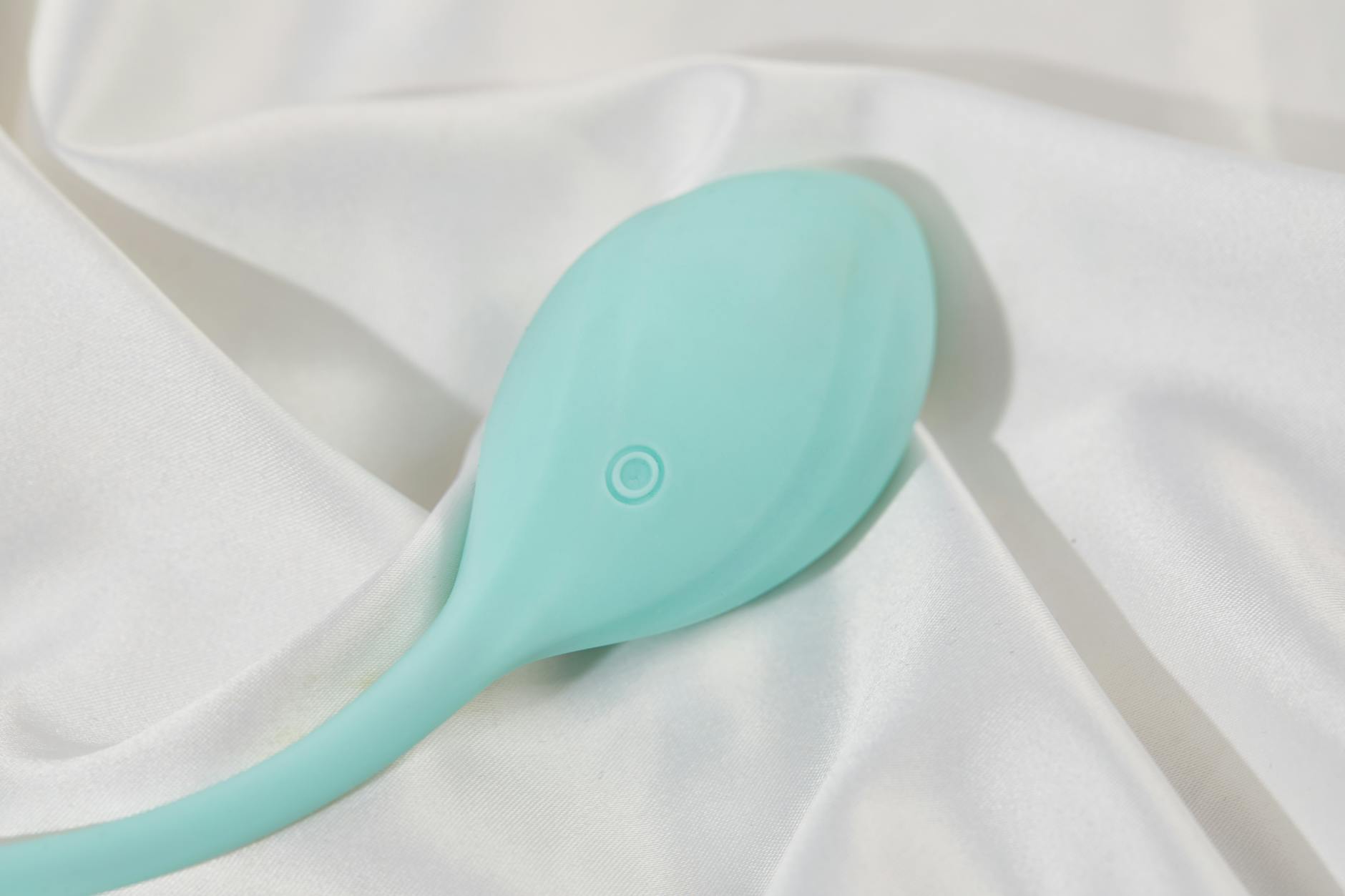
Photo by IFONNX Toys on Pexels