
The suction problem nobody talks about yet
Here's the thing about clitoral vibrators that use suction or pulsing patterns like the Lem. They work so well that people worry they're doing something wrong. You start using one and within a few sessions you're thinking, "Wait, is this too intense? Am I numbing myself? Will I ever feel anything else again?"
The short answer: no, you're probably fine. But there's a real difference between intensity and sensation overload, and knowing how to navigate it changes everything.
Why suction feels different from traditional vibration
Suction creates a pressure-based stimulation rather than just buzzing. It mimics oral stimulation without the jaw fatigue. The Lem cycles through different patterns and intensities, which means your clitoris is getting varied input rather than constant buzzing at one frequency.
This variation is actually protective. Studies on vibrator use show that the risk of numbness comes from using the exact same vibration at the exact same intensity for extended periods. Suction toys naturally vary the sensation, which is part of why they're so effective and why people often report cleaner, more intense orgasms compared to traditional vibrators.
But "more intense" doesn't mean "right for everyone in every moment." That's where the confusion starts.
The difference between intensity and overload
Intensity is a dial you can control. You go up to a setting that feels good, maybe sometimes you want level 2, sometimes level 5. That's normal and healthy.
Overload is when you can't dial it back without losing sensation. You've trained your nerve endings to want more stimulation than you actually enjoy. You're chasing the feeling instead of being in the feeling.
The way to tell the difference: intensity feels good in the moment. Overload feels like you're working toward something instead of experiencing it. If you're grinding or pushing harder or concentrating really hard instead of just being present, that's overload.
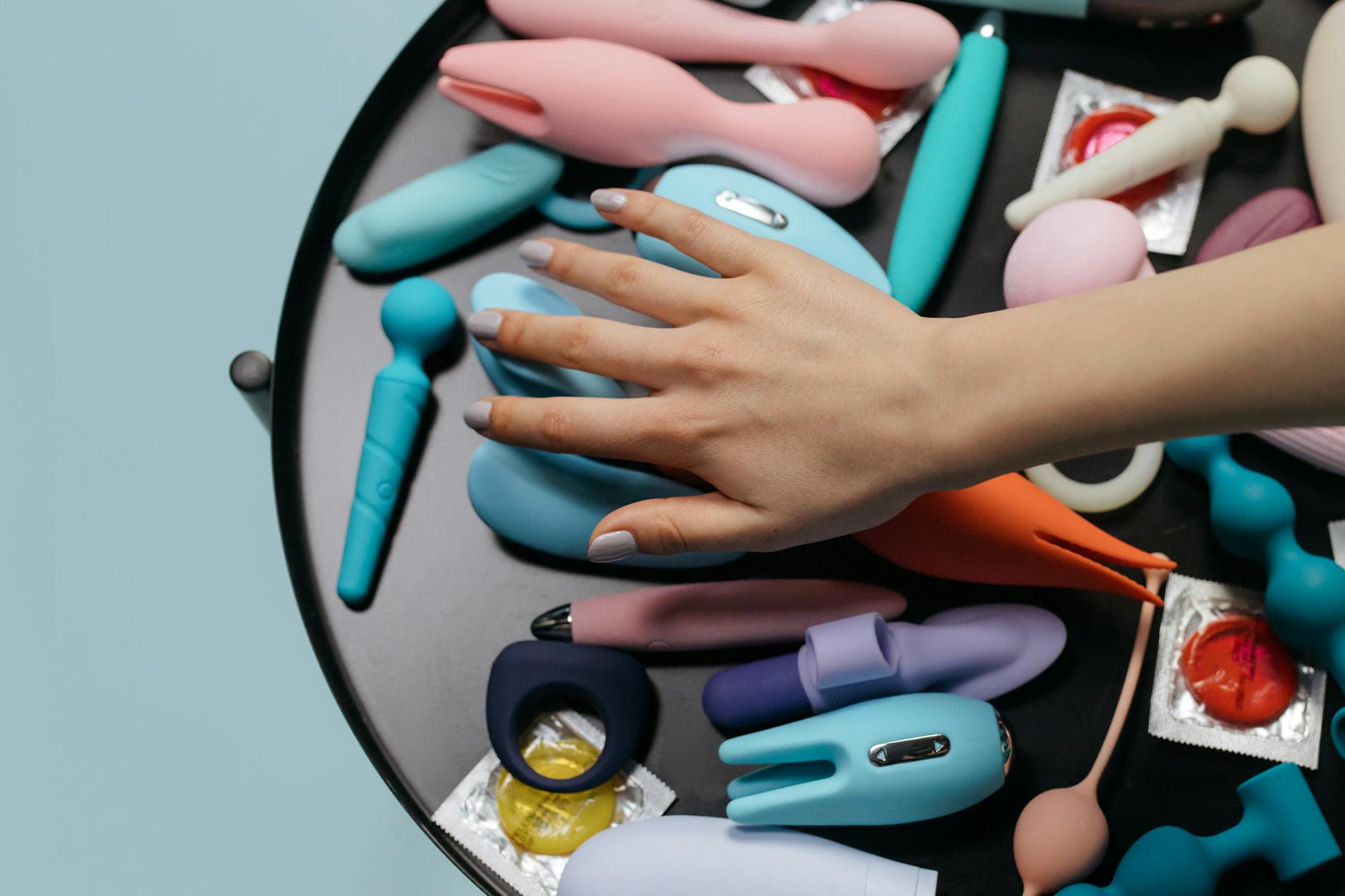
Photo by cottonbro studio on Pexels
The pacing strategy that actually works
If you're worried about overstimulation, the fix isn't to use your lemon clitoral vibrator less. It's to use it smarter.
Start at the lowest setting. Not the one you think will be "boring." The actual lowest. Spend 5 to 10 minutes there, even if it feels like nothing is happening. Your sensitivity is building. Pay attention to subtle shifts in sensation.
Work up slowly. Move to the next pattern or intensity level only when you're genuinely curious about more, not when you're bored. Boredom is often a sign you need to change focus (breathing, position, what you're thinking about), not that you need more stimulation.
Use patterns, not intensity. The Lem has multiple pulsing patterns. Switching patterns mid-session creates novelty for your nervous system without increasing raw power. If you're on pattern 3, try pattern 5 instead of turning up intensity. Your body registers it as new.
Take breaks between sessions. If you're using a suction toy every single day, yes, you might build tolerance. Using it 4 to 5 times a week with a couple of rest days keeps your sensation sharp and prevents the "I need more" spiral.
The role of arousal (it's bigger than you think)
One of the most common mistakes people make is jumping straight to the toy before their body is actually aroused. They pick up the Lem at what feels like a reasonable level of desire and immediately crank to intensity level 4, because that's what worked last time.
But arousal isn't linear. One day, level 2 on pattern 1 is enough to get you there. Another day, you need more buildup or a different pattern entirely. Your hormones, your stress, your relationship, your sleep. It all changes the game.
Start with actual foreplay or mental arousal. Let your body tell you when it's ready for the toy. If you're reaching for a lemon clitoral vibrator because you're bored rather than because you're horny, that's a sign you need something else first.
Recovery and the 48-hour reset
Your clitoris has nerve endings that can get temporarily less sensitive after intense stimulation. This isn't permanent, but it's real. If you use your Lem at high intensity and then immediately try using it again 6 hours later, it might feel duller.
Wait 24 to 48 hours between intense sessions. During that time, you can still have sex or use other toys, but give the clitoral nerves a break from suction specifically. When you come back to your lemon vibrator, the sensation will be richer.
This isn't because you've "damaged" anything. It's just how nerve endings work. They need recovery time to reset their sensitivity threshold. That's actually good news because it means the fix is simple.
When sensation numbness is actually happening (and what to do)
If you've been using toys regularly for months and you notice you genuinely cannot feel arousal without heavy stimulation, or you feel numb during sex with a partner, that's different.
First step: take a real break. Two weeks without any vibration or suction toys at all. It usually takes about 10 to 14 days for clitoral sensitivity to fully reset. During that time, explore other types of touch. Manual stimulation, oral sex, different types of friction. Your body will recalibrate.
Second step: when you go back to your Lem, use it at the lowest setting you can find. Spend actual time there. Don't try to speed things up. Sensitivity returns faster when you give your nerves gentle, varied input.
Third step: use a lemon clitoral vibrator as part of a rotation, not as your only tool. Vary your pleasure. Mix in manual stimulation, penetration, oral. Your nervous system thrives on novelty, and it's actually more satisfying.
Partners and the intensity conversation
If you have a partner, there's often an awkward moment when they're using a clitoral vibrator on you and they ask "Is this okay?" and you say yes, but secretly you're thinking about whether they should go up or down or stay exactly where they are.
Be direct. "A little lighter," or "Can you try pattern 2 instead?" isn't criticism. It's information. Partners want to know what actually works.
For partners using a toy on someone else: watch for signs of genuine pleasure versus someone who's trying to perform pleasure. Genuine pleasure usually looks like relaxation. Trying to perform looks tense. If you're holding it at one intensity and the person is tensing up, that's a sign to ease off or try something different.
The question of vibration addiction
Let's be real. Can you become psychologically dependent on the sensation of a suction toy to the point where other types of stimulation feel boring? Yes, temporarily. Does that mean you've done something wrong? No.
It means you found something that works and now you're comparing everything else to it unfairly. Your partner's touch feels less intense because a machine designed to deliver rapid pulsation will always feel more intense than a human hand. That doesn't mean the human touch is worse. It's different.
If you're in a relationship and your toy has become your primary source of pleasure, the fix isn't to throw away the toy. It's to use it as part of a bigger toolkit. Use it sometimes. Leave it in the drawer other times. Build arousal together first, then introduce it. Let your partner use it on you. Use it after partnered sex, not instead of it.
Variety is what keeps pleasure alive.
FAQ: Your questions answered
Can using a lemon suction vibrator make me numb to regular touch?
Temporarily, yes, if you're using it every single day at high intensity. Permanently, no. Your clitoris will recalibrate within a couple of weeks if you take a break. The key is not to make suction your only source of stimulation. Use a lemon clitoral vibrator as one tool among many, and your sensitivity stays sharp.
How often should I use a suction toy like the Lem without risking sensation loss?
4 to 5 times per week is generally a sweet spot. You get regular pleasure without the nerve endings getting lazy. Add rest days so your body actually notices the stimulation when you come back to it.
Should I be using the highest intensity setting every time?
No. The highest setting should feel like a treat, not a baseline. Most of your sessions should happen at lower intensities where you actually feel the build and the nuance. Save high intensity for when you specifically want it, not as your default.
Can a partner feel weird about me using a clitoral vibrator during sex?
Some partners do at first, and that's worth talking about. But here's the thing: a lemon clitoral vibrator isn't replacing them. It's making the whole experience better. If they understand that you still want them and the toy is just adding sensation, most partners come around. Invite them to use it on you so they see what it actually does.
What's the difference between the Lem and a traditional vibrator for sensation control?
The Lem uses suction and pulsing patterns, which creates varied input. Traditional vibrators buzz at a steady frequency. Suction is usually better for sensation control because variation prevents numbness better than steady buzzing does. Pattern switching gives your nervous system novelty without increasing raw intensity.
If I've already numbed myself, can I reset my sensitivity?
Yes, absolutely. Take 2 to 3 weeks completely off from vibration. When you go back, use the lowest settings and focus on other types of touch. Sensitivity comes back within a month for most people. Then use smarter pacing going forward.
The bottom line
A clitoral vibrator like the Lem from Nancy's Lemon Shop is a tool, and like any tool, it works best when you use it with intention. Start low, go slow, take breaks, and vary your pleasure. Your sensitivity is not something to be afraid of losing. It's something to protect by being thoughtful about how often and how intensely you use it.
The goal isn't the biggest orgasm possible. It's pleasure that feels good in the moment and stays good over time. That requires restraint, variety, and paying attention to what your body is actually asking for rather than what you think it should want.
If you have questions about how to use a lemon sexual toy or you're dealing with persistent numbness or sensation issues, reach out. We're here to help you figure out what actually works for your body.