Here's what nobody tells you
Introducing a vibrator early on doesn't kill chemistry. It builds it. But only if you do it right. Most people wait months, even years, to mention they want to use one. By then, there's baggage attached. You're worried about how they'll react, whether they'll feel replaced, whether they'll think you're not satisfied. The longer you wait, the heavier those doubts become.
I've worked with hundreds of couples navigating this exact moment. The ones who bring it up in the first month or two? They integrate vibrators into their sexual life with almost no friction. The ones who wait until there's already tension in the bedroom? They fight about it.
The timing question
Some people think you need to establish "regular" sex first before adding tools. That's actually backwards. You're not replacing something. You're adding texture to something new.
The ideal window is after you've been intimate a few times (so there's comfort) but before there's a rigid pattern (so there's flexibility). That's usually somewhere between week three and week eight. Not immediately. Not after six months.
Why? Because early sexual relationships have room for experimentation. You're both still learning each other's bodies, figuring out what works. A vibrator is just another piece of information. Later, when patterns calcify, anything new feels like a critique instead of an addition.
The conversation that works
Forget the dramatic reveal. No fancy setup, no "I have something to tell you." That creates pressure.
Instead, bring it up in a moment that's relaxed and not immediately before sex. A good opening: "Hey, I've been thinking about trying something in bed. I have this clitoral vibrator I really like. Would you be interested in exploring that together?"
That's it. Simple. Framed as collaborative, not demanding.
Their response will fall into roughly three buckets: "Yeah, let's try it," "I'm not sure," or "No, I'm not comfortable with that." All three are fine. You're not entitled to agreement. You're just offering information.
If they hesitate, ask why. Sometimes it's genuine discomfort. Sometimes it's a misunderstanding. "I thought vibrators were for people who weren't satisfied" is common. That's a moment to educate, gently. "Actually, a lot of couples use them because they feel good, not because something's broken. No pressure either way."
If they say no, you have a choice to make about whether that's a dealbreaker for you. Don't pretend you're fine with it if you're not. Resentment builds fast.
Why lemon vibrators specifically
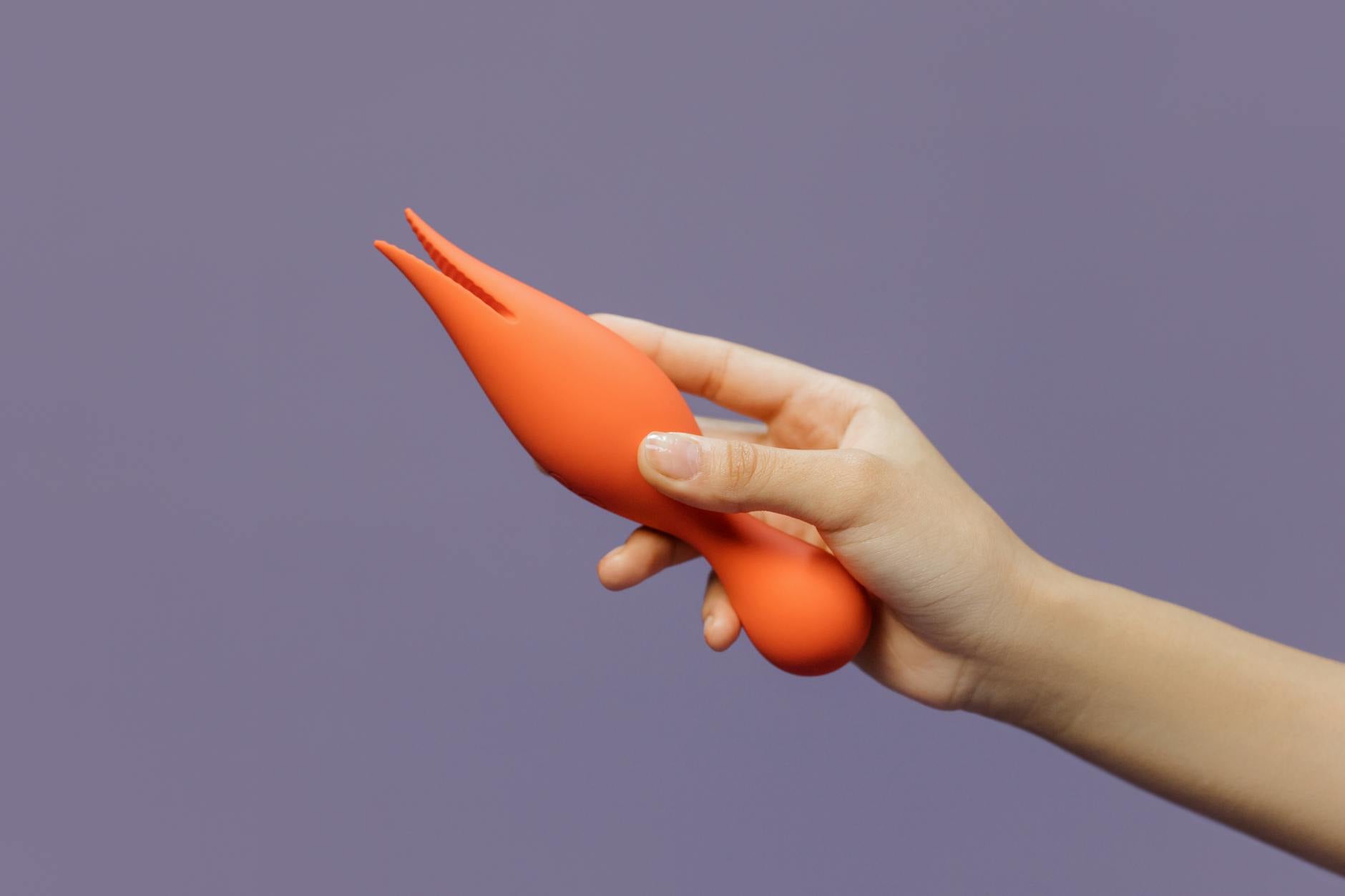
A lemon clitoral vibrator like the Lem works better in new relationships for a few reasons. First, the suction technology feels gentler than traditional vibration. There's less intimidation factor because it doesn't look like a typical vibrator. It looks like something delightful and unusual. Your partner is less likely to feel like they're being compared to a machine.
Second, suction is more forgiving for people who've never used a vibrator. It builds sensation gradually. You can start on a lower intensity pattern and work up. There's no pressure to perform or come immediately. That removes a layer of performance anxiety that often shows up in new sexual dynamics.
Third, the sensation is localized to the clitoris without the same mechanical pressure of a wand. For people nervous about vibrators making them "lose sensitivity" over time, suction feels like a safer entry point.
The first time using it together
Don't introduce it mid-orgasm or as a surprise. Have it visible before you start having sex. Let them see it, ask questions if they want to. Some people like understanding how something works before their genitals are involved.
When you do use it, start slowly. You're not trying to come. You're getting comfortable with the sensation and with having your partner watch you use it. That's the real intimacy here. Not the orgasm. The permission to enjoy your own pleasure in front of them.
Let them handle it if they want. Lots of people feel more connected when they're controlling the vibrator, watching your responses. Others prefer you're in charge. Both are normal. The point is flexibility.
If it doesn't feel amazing the first time, that's okay too. Lemon vibrators, like any tool, take a few tries to find the right angle, speed, and context. Don't assume it's a problem with the toy or with your body or with them. It's just new.
What insecurity actually looks like
Here's the thing I tell my clients: your partner's insecurity about vibrators rarely shows up as "no." It usually shows up as subtle withdrawal, or jokes that land a little mean, or "I guess you don't need me then."
If that happens, pause. Name it directly. "I'm noticing you seem uncomfortable. I want to talk about what's coming up for you."
Usually it's fear of replacement, or a belief that "real" sex should look like porn, or worry that they're not enough. None of those are true. But they're real to them, and they deserve a conversation, not defensiveness.
Sometimes what helps is reassurance: "I want to feel good. I also want to feel you. Those aren't contradictory." Or "This isn't about you not being enough. It's about me exploring what feels good."
Other times it helps to slow down. Maybe you don't use the vibrator during partnered sex right away. Maybe you use it solo first, and they watch, and they get comfortable with the idea before they're directly involved.
Building a shared sexual language
This is the deeper work. When you bring a vibrator into a new sexual relationship and handle it thoughtfully, you're not just adding a toy. You're teaching each other that pleasure is collaborative, that communication is normal, that trying new things is safe.
That foundation changes everything down the line. When there's later tension or when one of you wants to explore something else, you already have a framework for talking about it. You already know that your partner can listen without getting defensive.
People who avoid the vibrator conversation early often avoid other conversations too. "I want more foreplay," "I like it when you...," "Can we try...?" All of that gets easier once you've normalized the first conversation.
FAQ
How do I know if my new partner is the kind of person who'll be open to a vibrator?
You don't, until you ask. But people who are generally curious, ask you questions about your pleasure, seem comfortable with their own sexuality, and aren't rigidly focused on performance are usually open. If someone is threatened by the idea of any tool or says "you shouldn't need that," that's information too. You're learning something important about their beliefs about sex and pleasure early.
What if they want to use the vibrator but I'm not sure I want them to?
Then you get to set that boundary. "I want to get comfortable with it on my own first" is completely valid. Don't let someone's enthusiasm override your comfort. You can always change your mind later.
Can you use a lemon vibrator on a partner?
Yes. Clitoral vibrators work on any body with a clitoris. If your partner has a vulva, they can enjoy it too. Some couples find it's actually a great way to learn what they like, because you're both present and paying attention.
Does using a vibrator mean our sex life is boring?
No. It actually usually means the opposite. People who bring toys into their sexual life tend to communicate more, try more things, and report higher satisfaction. Vibrators are an addition, not an indictment.
What if they say no and I'm disappointed?
You get to feel that. You also get to decide if it's a dealbreaker. If you know vibrators are important to your sexual satisfaction, and they're not willing to explore, that's information you need early. Better to know now than resentfully five years in.
How do I choose between a lemon vibrator and other types for a new partner?
Lemon clitoral vibrators are less intimidating than larger wands. They're quieter. They feel more intimate. If you're introducing a partner to vibrators for the first time, start with something designed to feel less mechanical. The Lem is a solid choice because it's intuitive and the sensation is straightforward.
The bigger picture
Introducing a lemon vibrator early in a sexual relationship is about more than pleasure. It's about setting a tone. It says: my body matters. Your comfort matters. Communication is normal. Trying things together is safe. We're both allowed to enjoy this.
That kind of foundation ripples into everything. Not just sexual satisfaction, but emotional intimacy too. When you can ask for what you want without shame, and your partner can listen without defensiveness, you've built something resilient.
The vibrator is just the tool. The real work is the conversation.