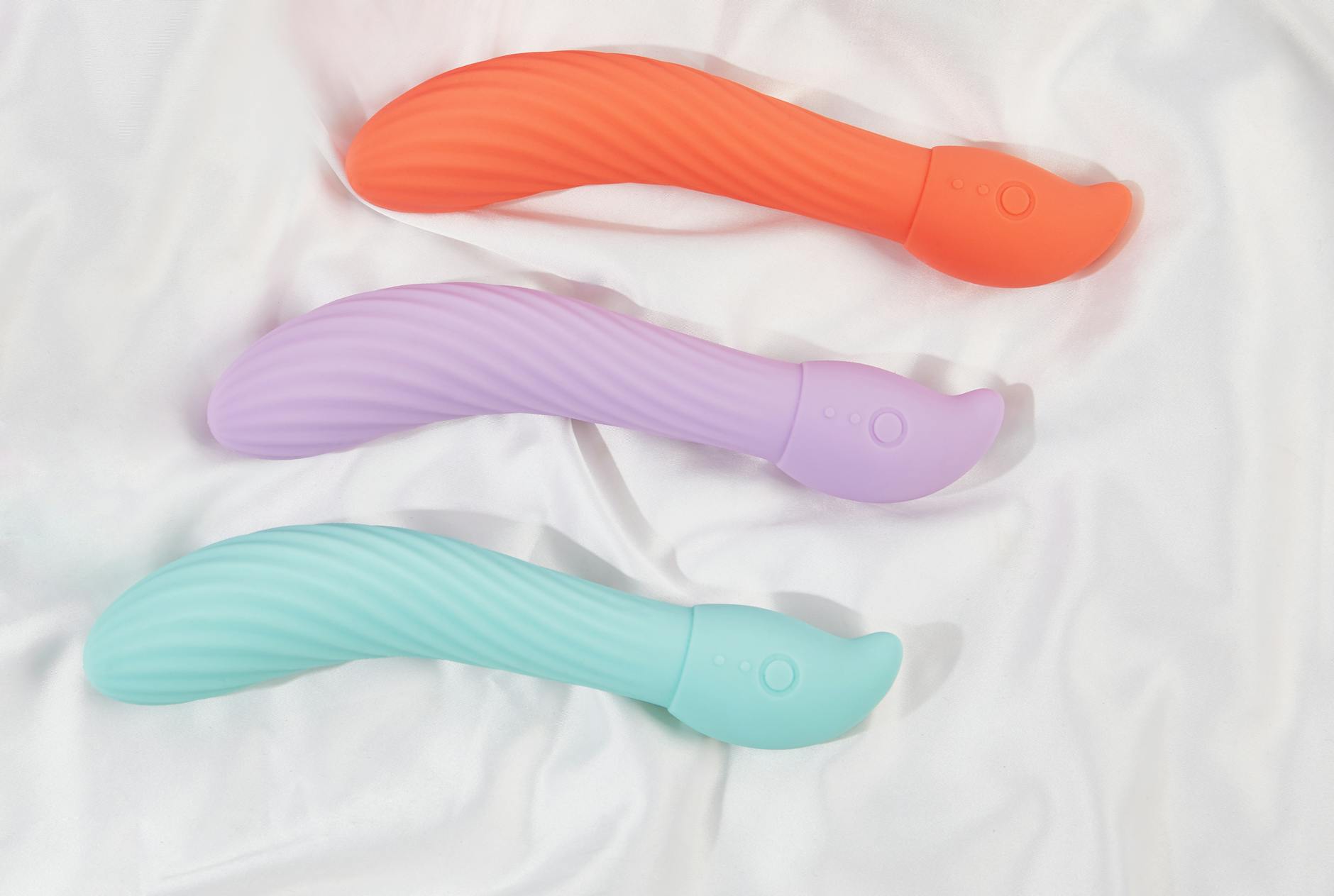
Let's separate desire from sensation
Low libido is not the same as broken pleasure. You can have zero interest in sex and still experience powerful sensation once you start. That gap between what you want to feel and what actually happens when touch begins is where a lemon vibrator becomes useful. The device doesn't create desire from nothing. It creates sensation that your brain then recognizes, which sometimes wakes up the desire that was sleeping underneath.
Most conversations about low libido treat it as a single problem. In reality, low libido has a dozen different causes—stress, medication, relationship disconnection, hormonal shifts, depression, being touched out from parenting, exhaustion. A lemon clitoral vibrator won't fix any of those root causes. But it can do something more useful: it can help you experience pleasure again, which sometimes reminds you why you wanted pleasure in the first place.
Why low libido kills sensation first
When desire drops, your body stops preparing for pleasure as efficiently. Blood flow to the genitals decreases. The nerve endings that light up during arousal go quiet. Lubrication takes longer or doesn't happen at all. Touch that used to feel electric feels like nothing. This is not psychological weakness. It's neurological.
Here's the thing: your brain has learned that sex doesn't matter as much anymore. Whether that's because you're exhausted, because your partner changed, because medication flattened your interest, or because life got in the way, your central nervous system has downgraded pleasure from important to optional. A lemon vibrator works because it bypasses that learned indifference. Air-suction stimulation (the way lemon vibrators work) triggers nerves at a frequency that your body finds harder to ignore than manual touch. You're not forcing desire. You're creating sensation strong enough that your nervous system has to pay attention.
How lemon vibrators rebuild the sensation pathway
When you use a clitoral vibrator during low libido, you're essentially retraining your nervous system. You're teaching your brain that this area matters again. The suction pattern of a lemon vibrator is particularly good for this because it's fundamentally different from the kind of touch you've experienced a thousand times before.
Start with the Lem on the lowest setting (usually 1 or 2). Place it gently on your clitoris and let it do the work for several minutes without expecting anything. Don't chase an orgasm. The goal is just sensation. Notice what you feel. Is it pleasurable? Neutral? Uncomfortable? All of those are useful data. Many people with low libido report that the first few sessions feel almost nothing. That's common. Your body is remembering. By session three or four, sensation starts to sharpen.
This is not about willpower or trying harder. It's about consistency. Ten minutes, three times a week, for two weeks, will often wake up sensation more reliably than occasional longer sessions. Your nervous system needs repetition to remember that pleasure is possible.
The mental game when desire is stuck
Low libido often comes with a secondary problem: guilt or frustration about not wanting sex. That mental load kills any sensation that might be returning. The moment you start using a lemon vibrator, your brain might say "I should be more into this" or "Why does this feel like work?" That thought kills sensation in real time.
Instead, flip the frame: you're not trying to want sex. You're experimenting with sensation the way you'd experiment with a new food or a new song. No pressure. No goal. If it feels good, great. If it doesn't yet, that's data. This shift from "I should want this" to "I'm exploring what I can feel" usually drops the mental friction enough that actual sensation can return.
Some of my clients find that using a lemon vibrator alone, without any expectation of partnered sex, is the secret. When there's zero pressure to perform, to come, to want it for someone else, the nervous system relaxes enough to feel things.
When to involve your partner
If you're in a relationship and low libido has become a shared problem, the temptation is to involve your partner immediately. Skip that. Spend two to three weeks exploring a lemon vibrator alone first. Rebuild your own sensation without an audience. Once you've remembered what pleasure feels like, you're in a much better position to communicate about it with your partner.
When you do invite them in, use a lemon vibrator together without the expectation of sex afterward. They can hold it. You can direct the intensity and pattern. The conversation might be "I'm rediscovering what feels good. I'd like you to be part of that, but there's no goal here except sensation." That's radically different from "We need to fix our sex life."
One practical note: if your partner has been hurt by low libido (if they've felt rejected or unwanted), rebuilding sensation together can be genuinely healing for the relationship. It's not about proving you still want them. It's about showing them that you're actively reconnecting with your own pleasure, and that you want them to be present for it.
The role of setting and timing
Sensation is fragile when libido is low. This is why cramming a clitoral vibrator session into five minutes before sleep usually fails. You need time. You need a setting where your brain isn't tracking a to-do list. You need to feel safe.
Some people find that using a lemon vibrator in the morning works better than evening, when fatigue kills sensation. Some need the bedroom locked and phone off. Some need to feel attractive before they can feel pleasure—so fresh sheets, a bath first, clothes that feel good. None of this is frivolous. This is your nervous system asking for conditions that let it do its job.
If you're using a lemon vibrator with a partner, make sure they understand that your arousal might be slow. You might not orgasm. That's not failure. That's sensation rebuilding. The goal is twenty minutes of time together, not an orgasm by minute five.
What changes over time
The first week using a lemon vibrator when libido is low often feels flat. You might feel almost nothing. By week two, sensation starts to register. By week three, you might notice that your body responds faster. By week four, many people report that desire is returning alongside sensation. Not always, and not automatically. But the pattern is common enough that I mention it so you know what to expect.
Desire is downstream of sensation when libido is stuck. You rebuild sensation first. Desire follows. This is backwards from how sex education usually frames it, which is why so many people wait for desire to return before they touch themselves. That's waiting for a bus that's not coming. Sensation comes first when you have tools like a lemon vibrator.
Low libido doesn't mean your body is broken. It means your nervous system decided pleasure wasn't a priority. You're just reminding it.
A note on medication and hormones
If your low libido is driven by antidepressants, birth control, or hormonal changes, a lemon vibrator helps with sensation but won't fix the underlying cause. The medication or hormonal shift is still there. But sensation can still return, and often the knowledge that you can feel pleasure again makes the rest of the conversation with your doctor more productive. You're not coming in saying "I feel nothing." You're coming in saying "I can rebuild sensation with the right tools, but my interest is still low. Let's talk about that." That's a different, more useful conversation.
Similarly, if low libido is coming from depression or burnout, a lemon vibrator helps temporarily but isn't treatment. It's a bridge while you address the root cause. Use it alongside therapy, alongside rest, alongside whatever else you need to rebuild.
FAQ
How long does it take to rebuild sensation with a lemon vibrator?
Most people notice some shift within three to four weeks of consistent use (three times per week for at least ten minutes). Some notice it in days. Some take eight weeks. The timeline depends partly on what's causing the low libido. If it's situational stress, sensation often returns quickly. If it's hormonal or medication-related, it might take longer. The point is to commit to at least a month of exploration before you decide it's not working.
Will using a lemon vibrator make me dependent on it for pleasure?
No, but I understand why people worry. A lemon vibrator is a tool for rebuilding sensation. Once sensation returns, you can use it or not. Some people keep using it because it feels good. Some stop and find that partnered touch feels better now that their nervous system is back online. There's no rule. You're not replacing manual sensation. You're jumpstarting it.
What if I still feel nothing after using a lemon vibrator for a month?
That's a sign that low libido has a deeper root that needs professional support. If medication is involved, talk to your prescriber about adjustments. If it's relational, couples therapy often helps more than any vibrator. If it's hormonal, a check-in with your doctor is useful. A lemon vibrator is a powerful tool, but it's not magic. When it doesn't work, that's information, not failure.
Should I tell my partner I'm using a vibrator to rebuild sensation?
If you're in a partnered relationship and you're exploring solo, you don't have to disclose immediately. But at some point, honesty helps. Something like "I've been thinking about why I'm not interested in sex, and I'm experimenting with ways to rebuild my own pleasure. I wanted you to know." That's vulnerable and real. Many partners actually feel relieved that you're taking action rather than just accepting low libido as permanent.
Can a lemon vibrator help if my low libido is related to body image or trauma?
Partially. A lemon clitoral vibrator can help rebuild sensation, which is useful. But if low libido is rooted in not feeling safe in your body or in past harm, the vibrator works best alongside trauma-informed therapy. Sensation alone won't fix what safety issues broke. You need both the tool and the emotional work.
What's the difference between a lemon vibrator and other types when dealing with low libido?
Lemon clitoral vibrators use air suction, which creates a unique sensation that many people with low libido find easier to feel than traditional vibration. They're often quieter, smaller, and more portable. The suction pattern triggers different nerve pathways than a standard vibrator, which is why they're often particularly useful for people who've lost sensation. That said, if you try a lemon vibrator and it doesn't work, another toy might. The point is to experiment with what your body responds to, not to be loyal to any single device.
The real work starts with you
Using a lemon vibrator when libido is low isn't about forcing yourself to want sex. It's about reconnecting with sensation as a foundation for desire. You're not trying to feel turned on. You're experimenting with what pleasure still feels like in your body. That distinction matters because it removes the performance pressure that usually kills sensation faster than anything else.
Start small. Set a realistic commitment. Notice what happens. Adjust. If you need support—whether that's from a partner, a therapist, or a doctor—reach out. Low libido is fixable, even when it feels permanent. And often, it starts with remembering that your body is still capable of pleasure. A lemon vibrator can help you get there. The rest is just showing up consistently and being honest about what you feel.