
The conversation you haven't had yet
Let's be real. When couples stop having sex, it's almost never because one person woke up and thought, "I'll just never want this again." It happens slowly, then suddenly. A stressful season at work stretches into two years. Kids, money, exhaustion, unresolved hurt, or just the slow creep of disconnection turns "not right now" into "we don't anymore."
Here's what I see in my practice: introducing a lemon vibrator into that dynamic doesn't reignite fireworks. What it actually does is sidestep the performance pressure that's keeping you stuck.
Why the absence of sex feels worse than it is
When a couple hasn't had sex in months or years, the fear builds. Each person starts to tell themselves a story. "They don't want me." "I've lost my edge." "We're broken." The anticipation of awkwardness becomes its own wall. You start avoiding touch altogether because a hand on the arm now feels loaded with unspoken expectations.
This is where most couples get trapped. The longer you don't have sex, the more fraught it becomes. Sex starts to feel like a major conversation, a negotiation, a referendum on the relationship. And nobody wants that kind of pressure.
A clitoral vibrator like the Lem works here because it reframes the entire dynamic. It's not about intercourse. It's not about performance. It's about pleasure in isolation, which paradoxically makes shared pleasure possible again.
Starting the actual conversation
You can't just produce a vibrator and hope your partner understands what you're trying to do. The conversation matters more than the toy.
Start here: "I've noticed we haven't been intimate, and I think it's because the pressure has built up too much. I don't want to force anything. But I also don't want to keep avoiding each other. I found something I'd like to try, and I want to know if you're open to exploring it together."
That's it. You've named the elephant, you've lowered the stakes, and you've invited participation without demanding it. If your partner's first response is "no" or "I need to think," honor that. Forcing this conversation will backfire.
If they say yes, the next conversation is just as important: "This isn't about performance. It's about both of us remembering that pleasure exists in our relationship. We can take it as slow as we need to."
The first time together
You're going to feel awkward. This is normal and doesn't mean it's wrong.
Start small. You might use the vibrator alone first, in front of your partner, just so they see it's not mysterious. Let them hold it. Let them understand the intensity settings. Then talk about what felt good, what surprised you, what made you laugh.
That's actually the point. Some of the best reconnections happen when a couple can laugh together about something sensual. It softens the weight.
The second time, your partner might hold the vibrator. Or you might guide their hand to hold it. The progression isn't about intensity. It's about decreasing the distance between you. Physical closeness can rebuild without full intercourse. In fact, for couples who've been disconnected, the rebuilding happens faster without the pressure of penetration.
What a lemon clitoral vibrator actually provides here
A clitoral vibrator creates sensation without requiring arousal to already exist. For someone who's been disconnected from their body or anxiety-blocked for months, this matters. You don't have to "get in the mood." The vibration itself can trigger the physical response that sometimes precedes emotional reconnection.
The Lem is specific here because the suction pattern feels different than vibration alone. It's less aggressive than direct stimulation and doesn't require as much technical skill from a partner who might be nervous about "getting it right." The pattern does most of the work, which means your partner can focus on being present with you instead of problem-solving.
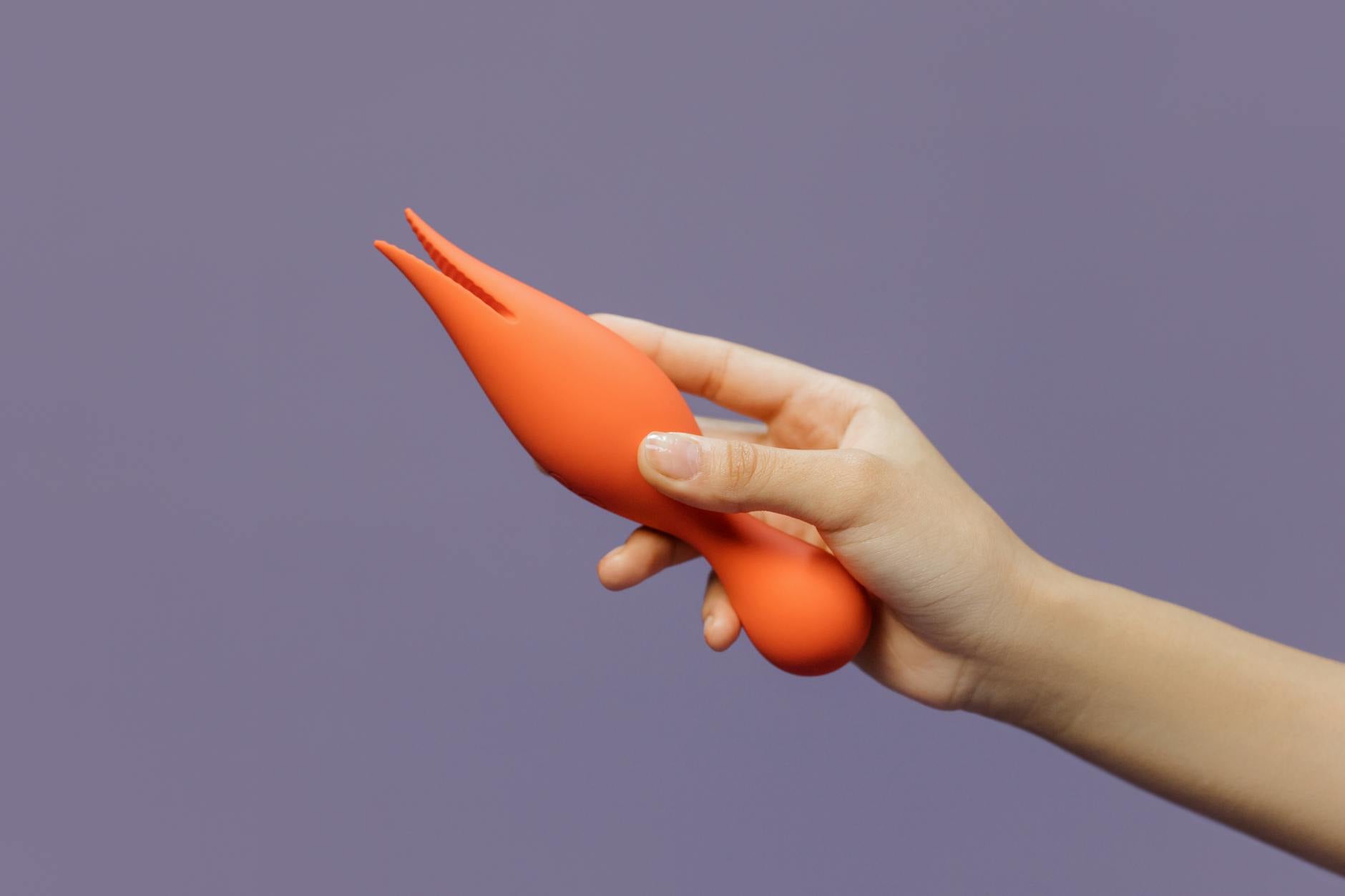
Photo by cottonbro studio on Pexels
Building the bridge back to intimacy
Using lemon sexual toys as a couple when sex has stalled isn't a magic fix. What it does is create a low-stakes entry point. You're not trying to have perfect sex. You're trying to remember that pleasure can exist between you.
Most couples report that once they've reconnected through using a vibrator together, other kinds of touch follow. A hand during dinner. A longer kiss. These small acts of reconnection are how intimacy rebuilds. The vibrator just gave you permission to start.
If your partner seems resistant during this process, that's information. It might mean they need to talk about what's underneath the sexual distance first. That's when a couples therapist becomes useful, not when you need more techniques. A vibrator can restart a conversation. It can't fix resentment.
Managing the psychological shift
One partner often feels relieved that you're doing something. The other sometimes feels like they're "failing" at arousal if the vibrator is introduced. This is worth naming directly.
"Using a vibrator together doesn't mean you're not enough. It means we're both choosing to explore pleasure as part of our relationship again. Your hands, your touch, your presence still matter completely."
That reassurance needs to be genuine. If you're secretly frustrated with your partner's response, that will show. And it will shut this down faster than anything else.
Frequency and patience
Don't expect weekly sex after the first time using a vibrator together. The goal isn't frequency. The goal is presence. Some couples find that after reconnecting physically, they want to be intimate more often. Others find they're satisfied with less, but it's deeper. Both are fine.
What matters is that you've broken the silence and the avoidance. You're touching again. You're talking about pleasure again. That's where the actual repair happens.
When to bring in professional support
If you've tried this and your partner is still completely resistant, or if one person is using the vibrator solo and the other feels excluded or hurt by that, you're dealing with a deeper disconnection that needs conversation support. A couples therapist can help you understand what's really underneath the sexual distance without the added pressure of trying to be intimate while you're figuring it out.
If there's infidelity, unresolved conflict, or one person feeling coerced into sexual activity, a vibrator won't fix that. Those are separate issues that need addressing first.
The real work
Lemon adult toys can help couples remember that pleasure is possible. But the actual work is the conversation, the vulnerability, and the willingness to rebuild slowly. It's not about finding the right position or the right toy. It's about deciding together that your intimate life matters enough to try.
That decision, followed by action, is where couples actually reconnect.
People also ask
How do you introduce a vibrator to a partner who's never used one?
Start with curiosity, not pressure. "I read about this and thought it might be something we could explore together. I'm not sure about it either." Share what you've learned without treating it like a test. Let them hold it, see how it works, ask questions. The goal is demystification, not seduction.
Can using a vibrator together help with erectile dysfunction or low desire?
It can help by removing performance pressure, but it doesn't address the underlying cause. Erectile dysfunction has physical and psychological roots that might need medical evaluation. Low desire often connects to stress, medication, relationship disconnection, or hormonal changes. A vibrator can be part of rebuilding intimacy while you address those root issues, but it's not the solution on its own.
What if one partner is comfortable using a vibrator and the other isn't?
That's a boundary to respect, not a problem to solve. Some people feel uncomfortable with vibrators for reasons that are totally valid. Instead of pushing, ask what would feel better. Some couples find that using a vibrator solo while their partner is in the room feels like a bridge. Others need more conversation first. The frame should be: "What would help you feel comfortable?" not "Why are you uncomfortable?"
How often should couples use a vibrator together?
There's no right frequency. Some couples use one several times a week. Others use it once a month. The question isn't "How often should we?" It's "How often do we want to?" and "What serves our connection right now?" Pressure around frequency defeats the purpose of lowering stakes.
Does using a clitoral vibrator make it harder for someone to reach orgasm without one?
Not inherently. Your body adapts to different kinds of stimulation. Some people find that vibrators actually help them understand what kinds of sensation work for them, which makes solo exploration and partnered sex more satisfying afterward. The key is variety. If a vibrator becomes the only way someone can orgasm, that's worth exploring with a therapist, but for most people, lemon clitoral vibrators are just one tool among many.
What if we try this and it feels awkward or uncomfortable?
It probably will feel a little awkward the first time. That's not a sign it's wrong. Awkward is what happens when you're trying something new and you're a bit vulnerable. Give it two or three attempts before deciding it's not for you. And if after a genuine try it still doesn't feel right, that's also fine. There are other ways to rebuild intimacy. The vibrator was just one option.
When couples haven't had sex in a long time, the distance can feel impossible to close. A lemon vibrator isn't a magic wand. But it is a permission slip. Permission to be curious instead of pressured. Permission to try without performing. Permission to remember that pleasure can exist between you again. And sometimes, that's exactly what a couple needs to find their way back.