Let's talk about what actually changes when your hormones shift
Your body doesn't stop wanting pleasure when hormones fluctuate. It just responds differently. Tissue thickness decreases, lubrication patterns shift, and the timeline from zero arousal to full response lengthens. That's not a problem. It's information. And once you know how to work with it, sensations often become more intense than they were before.
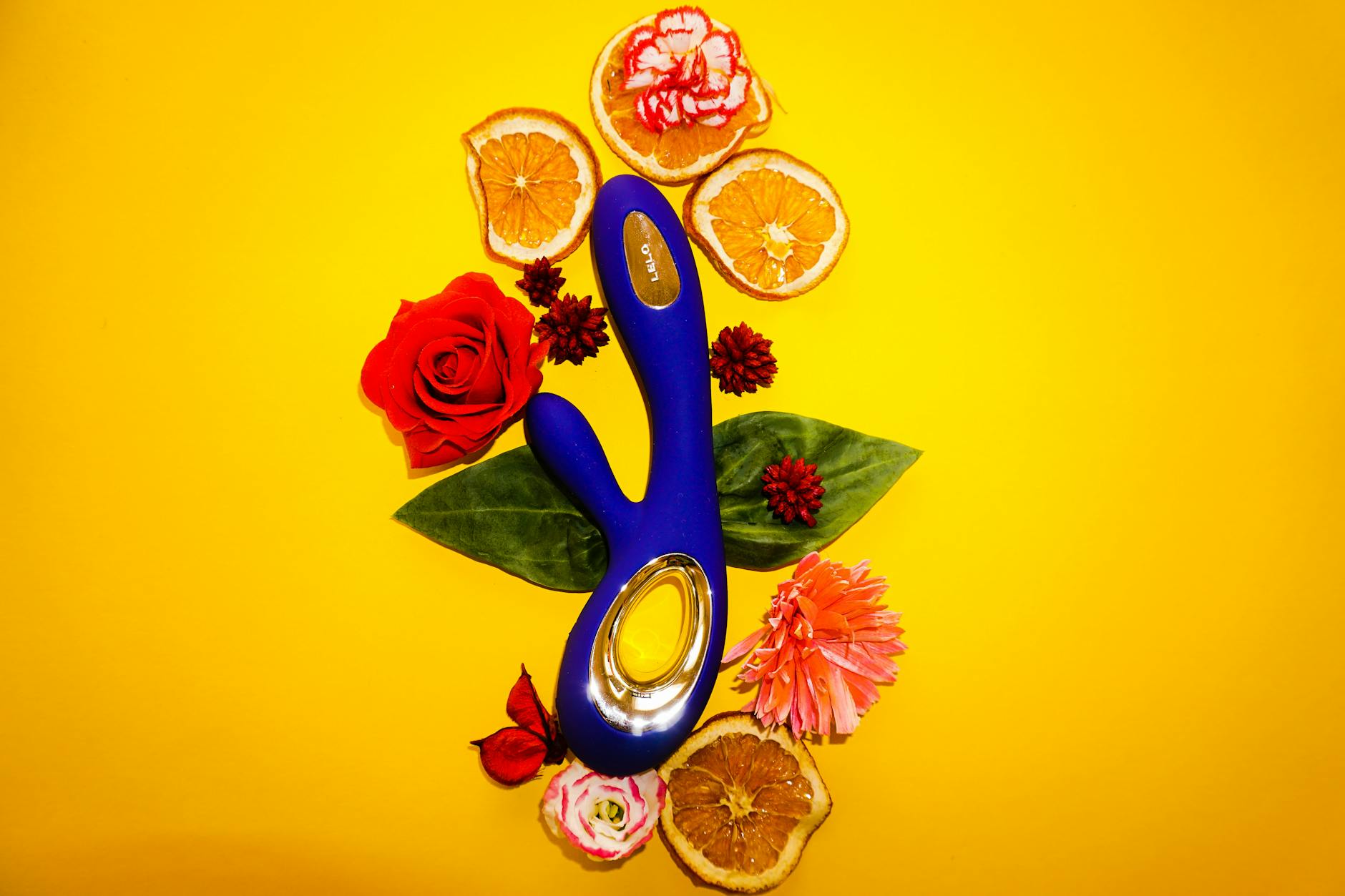
Here's what surprises most people. The solution isn't to abandon what worked before. It's to switch tools. Suction-based clitoral vibrators like the Lem work differently than traditional vibrators, which makes them particularly effective when hormonal shifts change how your tissue responds to direct friction or aggressive patterns.
Why hormonal changes affect sensation in the first place
Estrogen supports tissue hydration and thickness. When estrogen drops. those tissues thin. That's not painful. It's just real. Thinned tissue is more sensitive to heavy, sustained friction, but it's also more responsive to lighter, broader stimulation. Testosterone influences the speed of arousal, so lower testosterone means you typically need more time and buildup to reach the same level of response.
Progesterone fluctuations create variability throughout the month. Some days, direct clitoral stimulation feels almost overwhelming. Other days, nothing registers unless you work at it for a solid fifteen minutes. That inconsistency isn't in your head. It's chemistry.
Blood flow patterns change too. Arousal used to flood tissues quickly. Now it builds gradually. Many people misinterpret this as loss of desire, when it's really just a different arousal curve. You want the same outcome. You just need a different path to get there.
Why suction stimulation works when sensation shifts
Traditional vibrators press and shake. Suction vibrators like a lemon vibrator work differently. They create gentle pressure waves across the entire clitoral head. This broad, rhythmic stimulation doesn't rely on tissue thickness to work. If anything, it works better when tissue is thinner, because the sensation is more diffuse and travels deeper into the nerve network.
Think of it this way. Direct vibration is like tapping on a door. Suction is like gentle waves through water. When tissues are sensitive or thin, waves feel more manageable than taps. You get stimulation without the intensity overload that sometimes happens with traditional vibrators on thinner tissue.
The Lem and similar clitoral vibrators also give you control over intensity in a way that matters when sensation is changing. You're not locked into one pattern that's either too much or not enough. You can start at pattern one, stay there for as long as you need, and escalate only when your body signals it's ready.
The arousal timeline adjustment you need to make
If you're used to getting to orgasm in five to seven minutes, hormonal shifts might push that to fifteen or twenty. For most people, this feels frustrating at first. In reality, it's gift-wrapped time for deeper sensation. Your nervous system has longer to build arousal gradually, which often creates more powerful, full-bodied responses.
The adjustment isn't about working harder. It's about building a longer warm-up. Start with lower intensity suction. Let your body respond at its own pace. Many people find that starting with the Lem at pattern one or two, then staying there for five to ten minutes before escalating, creates a completely different experience than rushing through patterns.
Your partner, if you have one, benefits from this shift too. They're not racing against a countdown. They have time to stay present, adjust based on what they're seeing, and participate in building arousal alongside you instead of just waiting for the finish line.
Lubrication and tissue support strategies
This is the practical part that changes everything. Hormonal shifts often mean less natural lubrication. Water-based lube stops being optional. It becomes your baseline. Good water-based lubrication reduces friction on sensitive tissue, makes the suction sensation smoother, and prevents any micro-tears that can happen with thinner tissue and direct pressure.
Use enough. If you think you're using enough, use a bit more. There's no penalty for it, and the difference in sensation and comfort is real. Apply lube directly to the clitoral area, and reapply halfway through if you're doing a longer session.
If you're in a partnered situation, lube also takes pressure off your body to produce natural lubrication on a timeline that might not be in your control. One less thing to feel self-conscious about. One more thing that feels good.
Some people find silicone-based lubes feel richer and last longer, but they degrade silicone toys. The Lem is silicone, so stick with water-based. It's worth it.
Pelvic floor tension and hormonal shifts
Hormonal fluctuations often show up as pelvic floor tension. Lower estrogen means less elasticity in pelvic floor muscles. Lower progesterone sometimes triggers a holding pattern. Your pelvic floor tenses, you notice it, and then you tense more because you're thinking about it. Welcome to the tension spiral.
A suction vibrator like the Lem actually helps here. The gentle, broad stimulation relaxes the pelvic floor rather than triggering more tension. You're not forcing intensity. You're inviting the muscles to soften and respond. Many people find that spending five minutes with the Lem at low intensity before moving to higher patterns physically releases pelvic floor tension that otherwise blocks orgasm.
If pelvic floor tension is serious, pelvic floor physical therapy is worth exploring. But even there, low-intensity suction vibration is often part of the toolkit therapists recommend. It trains your nervous system that stimulation doesn't always mean clenching.
Timing within your cycle matters now
If you menstruate and your cycle is still active, sensation varies across the month. Right before ovulation, when estrogen is high, stimulation often feels more intense and arousal builds faster. Right before your period, when hormones are lower, arousal might feel muted and you might need longer warm-up time or lower intensity to avoid oversensitivity.
This isn't something to fight. It's something to plan around. If you know that the second half of your cycle is lower-sensation time, don't schedule solo sessions expecting the same experience as mid-cycle. Adjust your expectations. Use lower patterns. Give yourself more time. Work with your biology instead of against it.
Partners who understand this pattern can also support it. Days when sensation is naturally lower aren't failures or rejection. They're information. "Today's a lower-intensity day, and that's okay" removes so much pressure from partnered sex.
When to add other tools to the mix
A lemon clitoral vibrator handles most of what hormonal shifts throw at you. But sometimes layering tools creates better results. Internal vibration paired with clitoral suction changes the experience. Some people find that using a lemon vibrator while their partner touches them elsewhere creates more diffuse arousal and deeper response.
Other people find that slowing down the pattern and focusing entirely on sensation instead of racing to orgasm transforms hormonal-shift sex. No speed needed. No outcome pressure. Just presence and sensation.
You're not trying to replicate your pre-hormone-shift experience. You're discovering what this new body responds to. Sometimes that means the Lem solo. Sometimes that means the Lem plus lube plus partner touch plus time. The variables shift. The key is curiosity instead of frustration.
The permission piece nobody talks about
Hormonal shifts give you permission to be different. Your body isn't broken because arousal is slower or sensitivity is higher or orgasms feel different. It's adapting. You're adapting. If you've spent years fitting yourself into one sexual mold, hormonal change is actually an invitation to try something new.
Most people who adjust their expectations and their tools report that they like their sex life better after hormonally-driven changes. Not because the changes are fun. But because they finally stopped fighting their body and started working with it. That shift alone changes everything.
Frequently asked questions
Does a lemon vibrator work better than other vibrators when hormones change?
For many people, yes. Suction-based stimulation from a lemon clitoral vibrator doesn't rely on tissue thickness or aggressive patterns. It works through broad pressure waves, which often feels more manageable and effective when tissue is thinner or sensitivity is unpredictable. Traditional vibrators can feel too intense or ineffective depending on where you are hormonally. A lemon vibrator gives you control over intensity in ways that adapt to changing sensation.
How much longer does arousal take when hormones shift?
It depends. For some people, warm-up time goes from five minutes to ten. For others, it stretches to twenty or thirty. Rather than fighting this, budget the time. The longer arousal timeline often creates deeper, more complex orgasms. Many people find they prefer the sensation they get after a fifteen-minute warm-up to their previous five-minute experience.
Can you use a lemon vibrator if lubrication is the main issue?
Absolutely. A lemon vibrator with adequate water-based lube often solves the lubrication problem without needing medical intervention. The suction action combined with lube creates smooth, sustainable stimulation. You're not relying on your body to produce lubrication on a timeline you can't control. You've added it externally and you're good to go.
Does hormonal shift mean you need to change how often you have sex?
Not necessarily. Some people find they want sex less often when hormones are lower, simply because arousal takes longer. Others discover that spacing sessions out actually feels better, because their body has more time to recover between cycles. The frequency changes are less about broken desire and more about what your body actually wants now.
Is it normal to feel more or less sensation on different days?
Completely normal. Hormones shift daily. So does sensation. A pattern that feels incredible on Tuesday might feel completely wrong on Thursday. This isn't a flaw in you or the toy. It's just how bodies work. The solution is flexibility. On low-sensation days, use lower patterns. On high-sensitivity days, use even lower patterns. Your body is giving you information. Listen to it.
Should you tell a partner about hormonal sensation shifts?
Yes. Clear communication removes pressure and shame from partnered sex. "My body's responding differently right now and I need a longer warm-up" is information, not rejection. Partners who understand this show up differently. They're not confused or frustrated. They're present and patient. That presence alone changes the experience.
The real shift is working with your body, not against it
Hormonal changes don't end pleasure. They redirect it. A lemon vibrator is built for bodies that respond to broad, gentle stimulation. When your body becomes one of those bodies, the Lem stops feeling like a compromise and starts feeling like exactly what you needed. That's not settling. That's knowing yourself better. And that knowledge compounds. The better you understand your current body, the better you use your tools, and the more profound the sensation becomes. Start there.