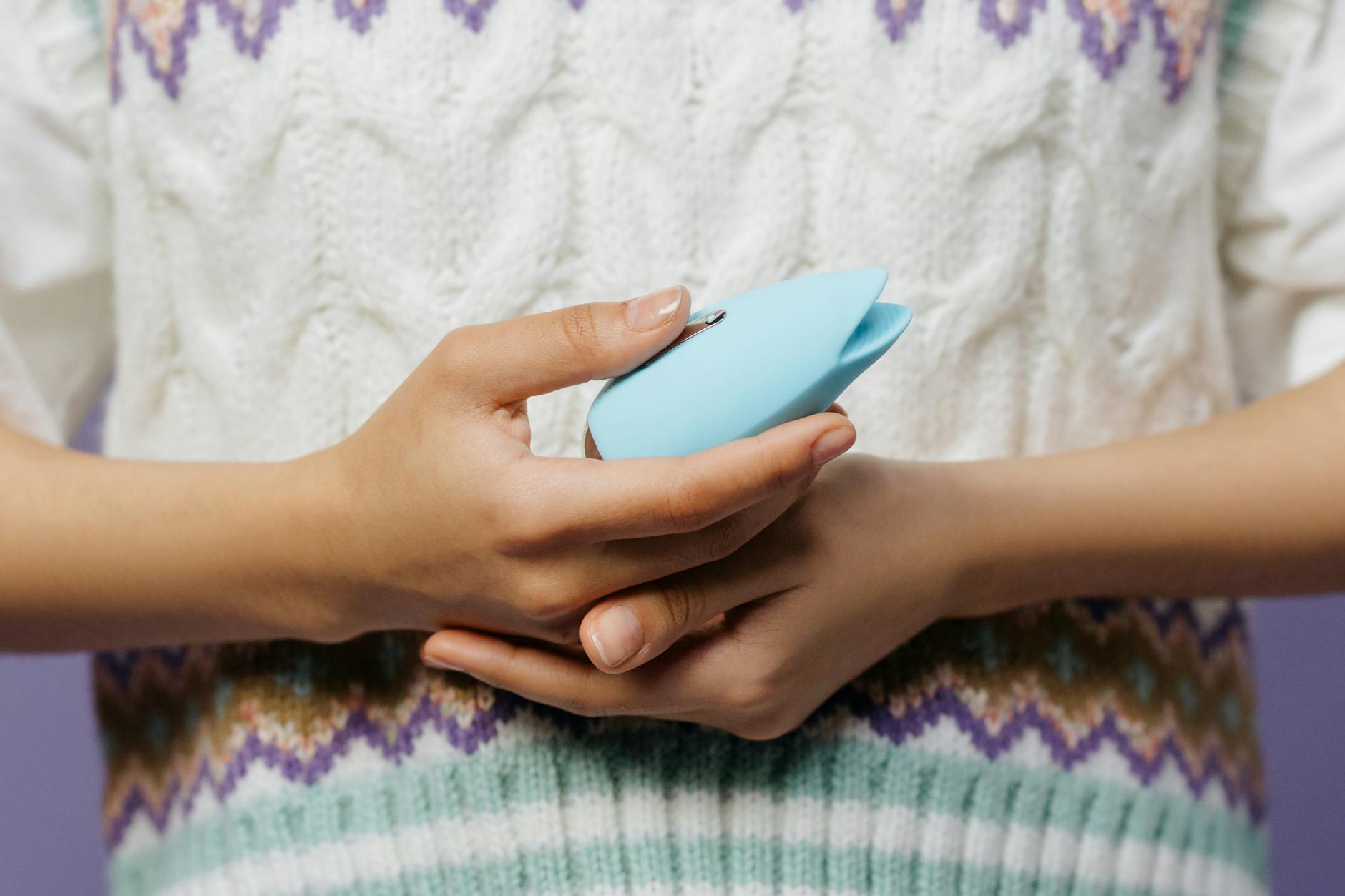
Here's the thing about bringing toys into a relationship
One person usually mentions it first. And in my experience, that person is usually nervous. They worry their partner will think they're unhappy, that something's missing, or worse, that they're being rejected. None of that is true, but the anxiety is real.
The good news: most partners react with curiosity, not defensiveness. They've probably thought about it too. And if you frame it the right way from the start, introducing a lemon vibrator becomes a collaborative moment instead of a confession.
That frame matters. Let me show you how.
The conversation: timing and framing
Don't bring this up mid-argument or when you're already frustrated about your sex life. That instantly reads as "something's wrong," which derails the whole conversation.
Instead, pick a moment when you're both relaxed and clothed. A walk, a meal, casual downtime. Lead with curiosity, not complaint. Try something like: "I've been thinking about trying something that might feel really good for both of us. I saw these clitoral vibrators that use suction instead of just vibration, and I'm kind of curious if we could explore that together."
Notice the language: "both of us," "together," and "curious." This is collaborative from the jump.
If your partner hesitates, most resistance falls into one of a few categories. They might worry it means you're not satisfied. They might feel insecure about "being replaced." They might just need time to process. None of those require you to defend yourself. Just listen. "I love our sex life. I'm interested in adding something new, not changing what we have."
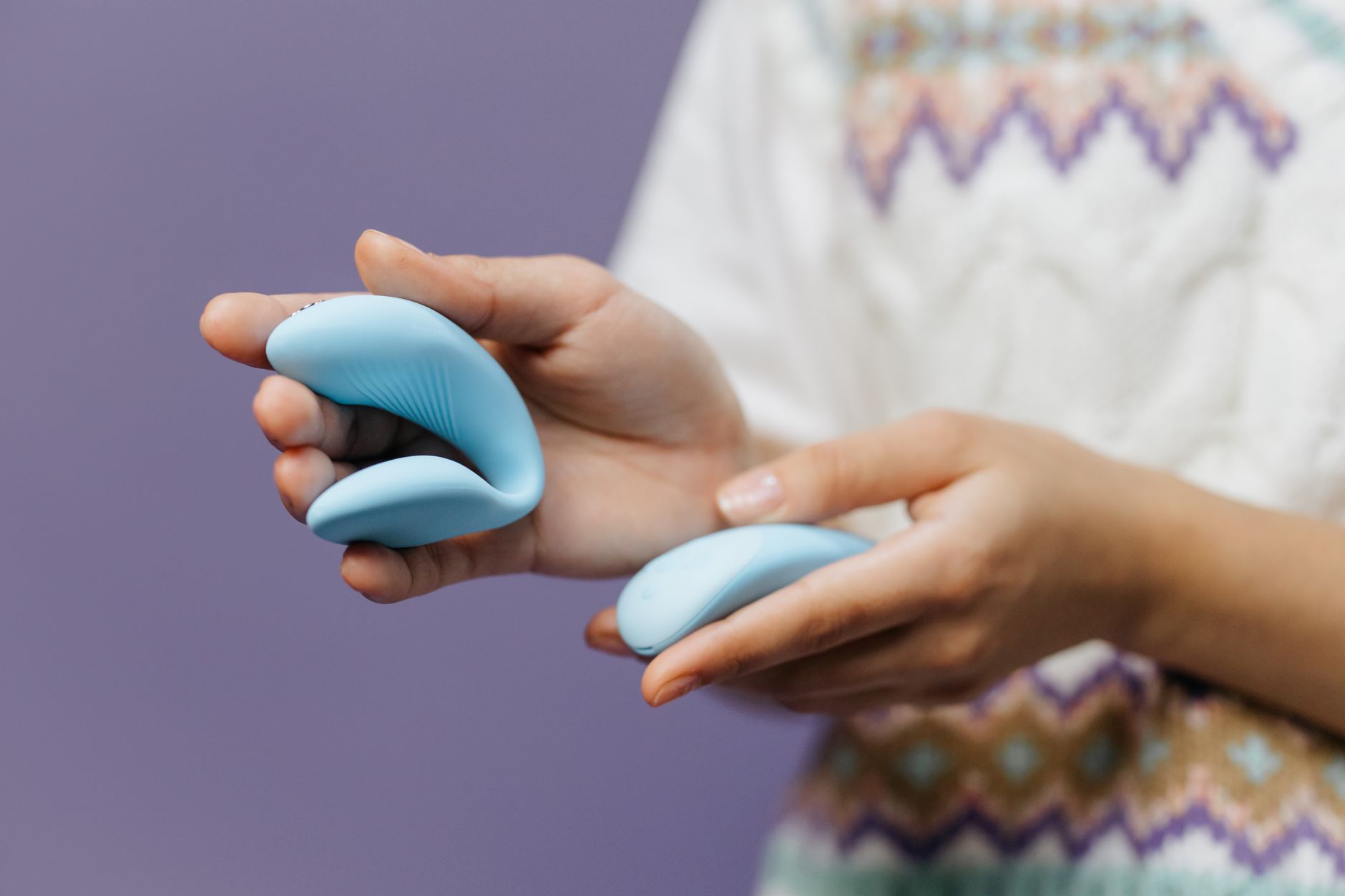
Photo by cottonbro studio on Pexels
Why a lemon vibrator is good for couples exploring together
When you're starting with toys as a couple, you want something that feels less intimidating than a traditional vibrator. A lemon clitoral vibrator is perfect because it's different from what a partner's hands or mouth can do, but it feels less clinical than a wand or bullet.
Lemon suction technology, specifically, creates a sensation that builds gradually. This means the experience doesn't feel jarring for either of you. Your partner can watch how you respond, feel included in the rhythm, and the toy becomes a shared tool rather than something being done to you alone.
It also keeps the focus on external clitoral stimulation, which means penetration can still happen (or not, depending on what you both want). The toy doesn't replace your partner. It works alongside them.
The practical setup
Before your first time, talk logistics. Where will you be? How much privacy do you need? Will your partner use the lemon vibrator on you, or will you guide it and they participate in other ways?
You might say: "I'm thinking I'd like to be in control of how it feels at first, so I can figure out what pressure and pattern work for me. But you could be next to me, touching me, kissing me, whatever feels right."
That's not rejection of participation. It's clarity about roles, which actually reduces anxiety for both of you.
Get your setup ready before you're already aroused: fresh batteries (or charge if it's rechargeable), water-based lubricant nearby, a comfortable surface. Remove obstacles that might make either of you feel self-conscious. Close the door. Put the phone away.
The first time: what to actually do
Start with clothing on, honestly. Use the lemon vibrator through your underwear or against your vulva with clothes on. This feels lower stakes. You're both getting used to the sensation and the vibe without the pressure of "now we're having sex."
Your partner can hold you, kiss you, talk to you. Ask them to tell you what they notice, what they see. This keeps them engaged and present rather than frozen as an observer.
Once you're comfortable, you can remove clothing. Use a water-based lubricant. Start on the lowest setting. Most lemon clitoral vibrators have 3-5 patterns, and the lowest usually feels subtle and warming rather than intense.
Let your body do what it wants to do. If your partner is touching you elsewhere, great. If you need them to be still so you can focus, say so. That's not rude. That's communication.
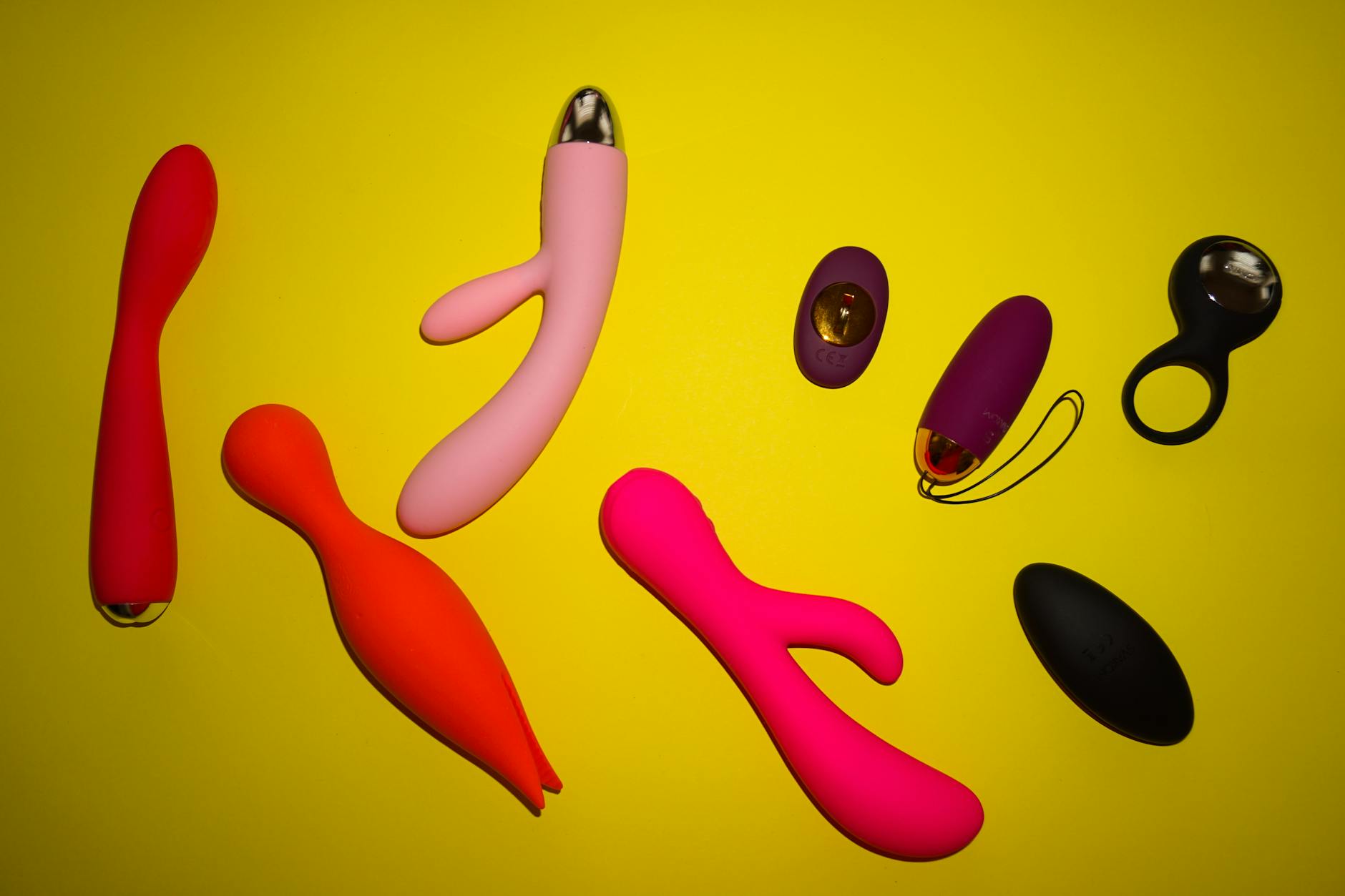
Photo by DRT.fm on Pexels
What happens after the first time
Talk about it. Not in a performance review way. More like: "That felt really good." Or: "I liked it when you were kissing my neck." Or: "Maybe next time I want to try a different pattern."
These conversations, repeated, are how couples build actual intimacy. You're learning each other's bodies and desires in real time. That's the opposite of dead bedroom territory.
If it didn't feel great the first time, that's normal too. Toys take practice. You might need different lubricant. You might need more foreplay. You might discover you prefer a different pattern or pressure. This is information, not failure.
The insecurity thing, addressed
Some partners worry that introducing toys signals they're not enough. Here's what I've seen in twenty years of therapy: that worry almost always disappears once they realize the toy is enhancing the experience they're already having together, not replacing them.
The lemon vibrator isn't a substitute for your partner. It's a tool you're both using to feel good. There's a real difference, and that difference matters.
If the insecurity lingers, that might point to a deeper conversation about satisfaction in your relationship. And that's worth having. But don't let that conversation keep you from exploring something that might feel wonderful.
When to try penetration with the toy
Some couples want to use the lemon vibrator during penetration. Some don't. Both are fine.
If you want to try it, wait until you're both comfortable with the toy on its own first. Then, when your partner is inside you, add the vibrator to your clitoris. The sensation of internal and external stimulation together can be intense. Go slow. Communicate about angles and pressure.
Many people have their strongest orgasms this way. And because you're doing it together, it becomes a moment of real connection instead of something isolated.
Moving forward
Once you've tried a lemon clitoral vibrator together, the whole category of shared pleasure tools opens up. You're not awkward about it anymore. It's just part of your toolkit.
You might explore different patterns or settings. You might take turns. You might find that certain times feel better than others. That's all normal experimentation.
The deeper win here is that you've initiated a conversation about what feels good, and you're doing it together. That skill transfers to everything: how much touch you want, what positions feel best, when you want more intensity or less. Couples who can talk about pleasure openly tend to have better sex and better relationships.
Your partner wanted to explore toys with you. That's actually a gift. It means they're curious about deepening your intimate life. The lemon vibrator is just the vehicle.
People also ask
Will my partner feel threatened if I enjoy the vibrator more than partnered sex?
Not if you talk about it openly. "This feels amazing, and I want to experience it with you" is very different from "I prefer this to you." The first is true most of the time. A lemon suction vibrator creates a specific sensation that hands and bodies can't replicate, but that doesn't mean it's better. It's just different. Partners who understand this distinction don't feel replaced.
What if my partner wants to use the lemon vibrator on me but I want to control it?
That's totally fine. There's no rule about who holds the toy. You might say: "I'd love for you to help, but I need to be the one guiding it so I can find the right angle." Many couples alternate who's in control. Some always have one person hold it while the other lies back. Figure out what works for you both, and know that this might change from one time to the next.
Is water-based lubricant really necessary with a lemon clitoral vibrator?
Yes. Silicone toys (which is what most lemon vibrators are made from) work best with water-based or oil-based lubricant. Water-based is safer if you're ever mixing toys, and it cleans up easily. It also makes the sensation smoother and more comfortable. Skip the lube and you might feel friction or discomfort. Use it and the experience is significantly better.
How do we introduce this if we've never talked about toys before?
Start with what you've read or seen, not what you want. "I came across this article about clitoral vibrators, and it seemed interesting" is gentler than "I want to buy a vibrator." You're opening a door, not making a demand. Your partner will either walk through it with you or tell you they need more time. Either way, you're having the conversation.
What if my partner says no?
Respect that. But understand that "not yet" is different from "never." You might revisit this in six months or a year. You might also ask what would make them more comfortable. Is it the specific type of toy? The setting? The way you introduced it? Sometimes there's a real obstacle you can solve together.
Can we use a lemon vibrator if we're just starting to be intimate?
Absolutely. New couples can explore toys the same way established ones can. In fact, talking about this early can set a tone of openness that lasts. Just make sure you've built enough trust and comfort first. You want your partner to feel safe being vulnerable with you.
Introducing toys as a couple is not a sign that something's broken. It's actually the opposite. It's a sign that you're both willing to explore pleasure together, that you're curious about each other, and that you trust each other enough to try something new. That's what healthy, connected partnerships look like.
Your partner brought this up because they want to deepen your intimacy. That's not a crisis. That's an invitation.
Sources
Gottman, J. M., & Silver, N. (2015). The Seven Principles for Making Marriage Work. Crown Publishing Group.
Ernulf, R. P., & Innala, S. M. (1995). Sexual self-esteem within a 24-hour perspective. Journal of Psychology and Human Sexuality, 7(4), 75-87.
Meston, C. M., & Frohlich, P. F. (2000). The neurobiology of sexual function. Archives of General Psychiatry, 57(11), 1012-1030.