Let's be real about mismatched timing
One of you finishes in five minutes. The other one needs twenty. This is wildly common, and it's not a sign that something's broken. It's just biology meeting bodies that work at different speeds. The problem isn't the difference. It's the pressure that builds when you try to pretend the difference doesn't exist.
Here's what happens in most couples: the faster partner feels guilty. The slower partner feels rushed or frustrated. Sex becomes a performance where nobody's actually enjoying themselves. This is exactly where lemon vibrators step in, because they let both of you finish together without either of you changing who you are.
Why timing mismatches create so much friction
When partners have different arousal speeds or orgasm trajectories, the dynamic shifts fast. The person who climaxes quickly either waits around awkwardly, or they push to hurry through. The person who takes longer feels pressure instead of pleasure. Over time, this creates a subtle resentment that erodes way more than it should.
Part of this is physiological. Some bodies are naturally wired for quick response. Others need more time to build arousal and reach threshold. Neither is better. But without a tool or strategy, the mismatch becomes a relationship problem.
Here's the data twist: couples who introduce clitoral vibrators to help with timing issues report higher satisfaction and less performance anxiety. That's not coincidence. The vibrator takes the pressure off both partners because it reframes the goal from synchronized timing to synchronized pleasure.
How the Lem solves this specific problem
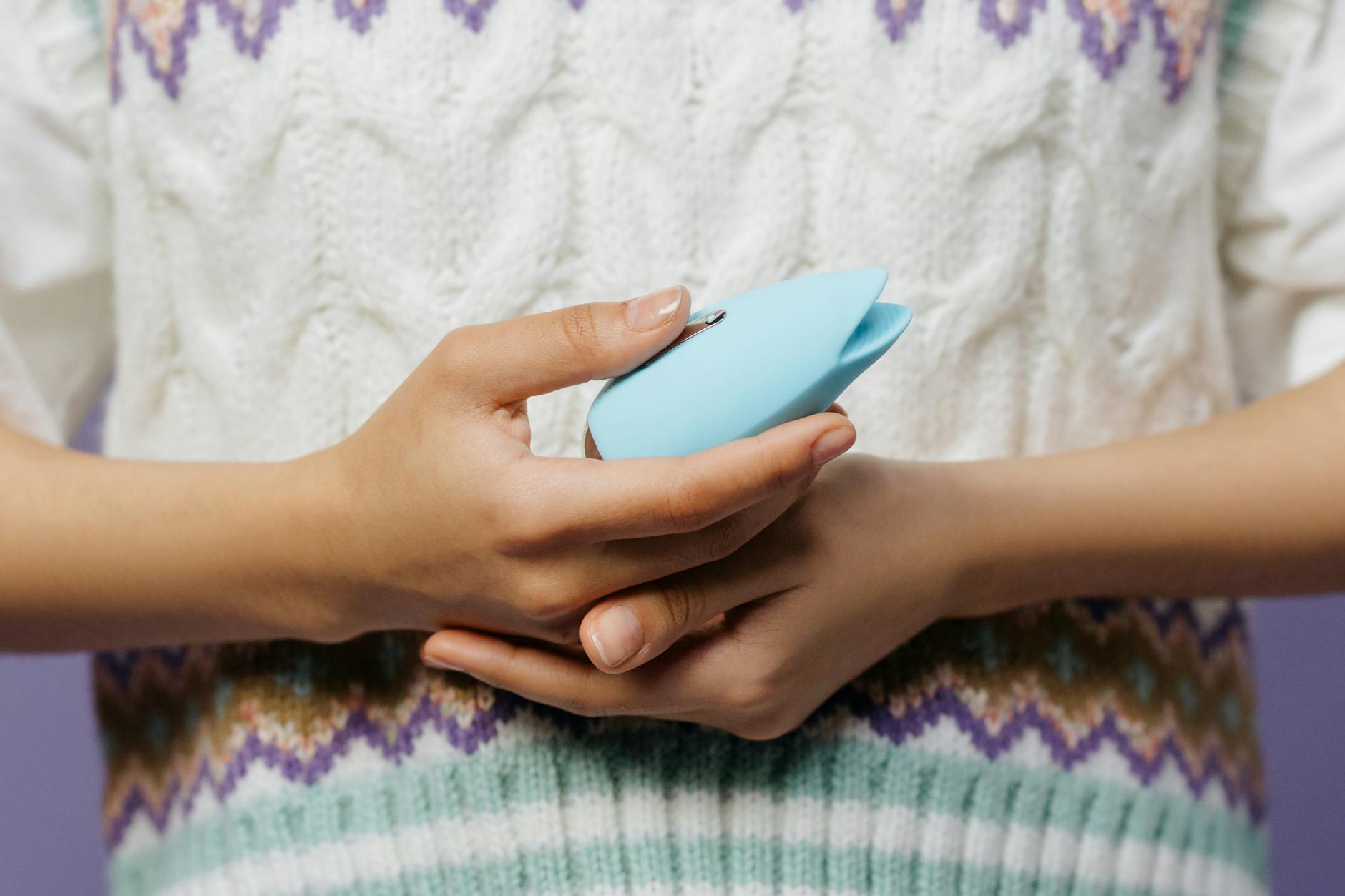
The Lem is a lemon clitoral vibrator that uses suction stimulation instead of vibration. What does that mean for mismatched timing? It means the slower partner gets the right kind of intense, sustained sensation to catch up without feeling rushed. Meanwhile, the faster partner isn't left hanging.
Suction creates a different sensation than traditional vibration. It feels fuller, more concentrated. For the partner who needs longer to climax, it can cut your time in half because the stimulation is so efficient. For the faster partner, it's novel enough that it actually re-engages their arousal instead of it trailing off after they come.
The Lem works best when you introduce it as a "we" tool, not a "you need this" tool. That distinction matters for your emotional connection.
The setup that actually works for both of you
Start by having a conversation that's not in the bedroom. This is important. Talk about what your timelines actually are. Not in a clinical way. Just honestly. "I usually finish around ten minutes" and "I usually need about twenty" is all you need. Remove shame from the conversation first.
Then agree on a rhythm: one partner uses the Lem first while the other partner engages however feels good to them. Kissing, touching, inside stimulation, whatever. The goal isn't to finish the first person quickly. It's to give them early attention and keep their arousal building.
When the faster partner is close, they can take over the Lem and intensity for themselves while the slower partner continues being touched or stimulated. This is key: the slower partner doesn't have to perform. They're just receiving and building.
Timing matters. Many couples find that starting with the Lem on lower suction levels (patterns 1-3) for the slower partner, then ramping up the intensity as they get closer, works best. You're not racing. You're pacing.
The emotional piece that makes it actually work
Honestly though, the tool only works if you remove the shame around needing different timing in the first place. Some partners need time to warm up. Some bodies take longer to respond. Some people are wired for quicker climax. These are not character flaws. They're not indicators of anything wrong.
What shifts when you use a lemon clitoral vibrator together is the narrative. Instead of "I finish too fast" or "I take too long," it becomes "Here's what works for both our bodies." That's a small semantic change that does enormous relational work.
The Lem also removes performance pressure because the partner using it is responsible for their own orgasm, in a sense. They're not waiting. They're not watching. They're just present. This takes so much cognitive load off both of you.
Making it feel natural and connected
One practical thing: don't introduce the Lem as a solution to "fix" timing. Introduce it as exploration. "I want to try this together" lands differently than "We need to fix your timing." Language matters.
Start with curiosity. Let your slower partner hold it first and explore how it feels. Let your faster partner guide where it goes. Make it playful. Make it theirs.
Also: lubrication matters when you're using a clitoral vibrator. Water-based lube makes the Lem glide more smoothly and feel less intense if the tissues are sensitive. Use it. There's nothing clinical about it. It just feels better.
If you're worried about finishing at different times, talk about that too. Some couples like to climax together. Others prefer staggered orgasms where one person finishes, rests a moment, then the other gets focused attention. Neither way is right. You just need to agree on it first.
Addressing the speed without toxicity
If one partner orgasms very quickly, that's often about how they're built. If the other partner needs much longer, same thing. Neither of you can really change this without making sex feel like a chore. So don't try.
What changes is the container around it. You're not trying to sync your bodies. You're trying to sync your pleasure and your presence. A lemon sexual toy like the Lem does that because it gives both of you something to do while you're together.
The faster partner can focus on their own sensations instead of feeling guilty. The slower partner can take the time they need without pressure. You're both winning.
Some couples find that switching off who uses the tool helps. The faster partner might use it first, climax, then focus on the slower partner for longer. Or the slower partner uses it while getting oral sex or penetration. There's no single "right" way. You're just building a rhythm that works for both of you.
When to get external help
If the timing difference is extreme (one partner finishes in under two minutes consistently, or the other partner struggles to finish at all), that's worth talking to a sex educator or therapist about. Sometimes there are deeper things going on, like trauma history or medication side effects or just learned patterns.
But most timing mismatches are just biology. And those respond really well to the right tool plus honest communication.
A lemon vibrator solves the logistics. But the conversation solves the relationship part. You need both.
FAQ: Timing, tools, and pleasure
Can a clitoral vibrator actually help partners finish at the same time?
Not guarantee it. Some bodies are just wired for different timelines. But what it does do is take pressure off trying to sync. You can both climax satisfied without needing to hit the exact same second. That's often what couples actually want anyway, even if they think they want synchronized orgasms.
How do I bring up that my partner takes longer without making them feel bad?
Frame it around what you want, not what's wrong. "I'd love to explore some tools that help us both feel satisfied" or "I want to find ways we can both finish feeling good" works way better than pointing out the time difference. Focus on solution, not problem.
Does the Lem work if I'm the faster partner?
Yes. It actually re-engages arousal for faster partners because the sensation is novel. You might find that using it a second time builds a different kind of intensity. Plus, it gives you something to focus on that's not performance anxiety.
What if my partner is skeptical about using any toy?
Start a conversation that's not about the tool. Talk about what pleasure actually looks like for both of you. What do you each need? What's missing? Then introduce the tool as a way to solve the thing you identified together. Read our guide on how to use a lemon vibrator when your partner is skeptical about toys for specifics.
How much lubrication do I need with a clitoral vibrator like the Lem?
Enough that it glides without friction, not so much that it loses suction. A dime-sized amount is usually plenty. You can always add more. Water-based lube works best because silicone-based can damage silicone toys.
Is it okay to use a vibrator if one partner is much less interested in sex than the other?
A clitoral vibrator can help, but it's not a fix for mismatched desire itself. If one partner wants sex significantly more than the other, that's a separate conversation about mismatched desire levels. A tool helps with timing and pleasure once you're both in the room. It doesn't create interest where there isn't any.
The real takeaway
Timing mismatches are one of the most common things couples navigate, and one of the easiest to solve with the right approach. That approach is part conversation, part tool. The lemon vibrator handles the pleasure logistics. Your communication handles the relationship part. Both matter. Neither works without the other.
Your bodies don't need to be on the same schedule. They just need to be in the same room, present, and focused on what actually feels good instead of what's supposed to feel good. That's where real connection lives.