Let's name what actually happened
Something big shifted your life. Maybe a career change ate your evenings. Maybe a parent got sick and you became the responsible one. Maybe kids arrived or left, grief moved in, money got tight, or the pandemic rewrote your entire sense of normal. Whatever it was, intimacy with your partner got filed under "we'll get back to that eventually" and then eventually never arrived.
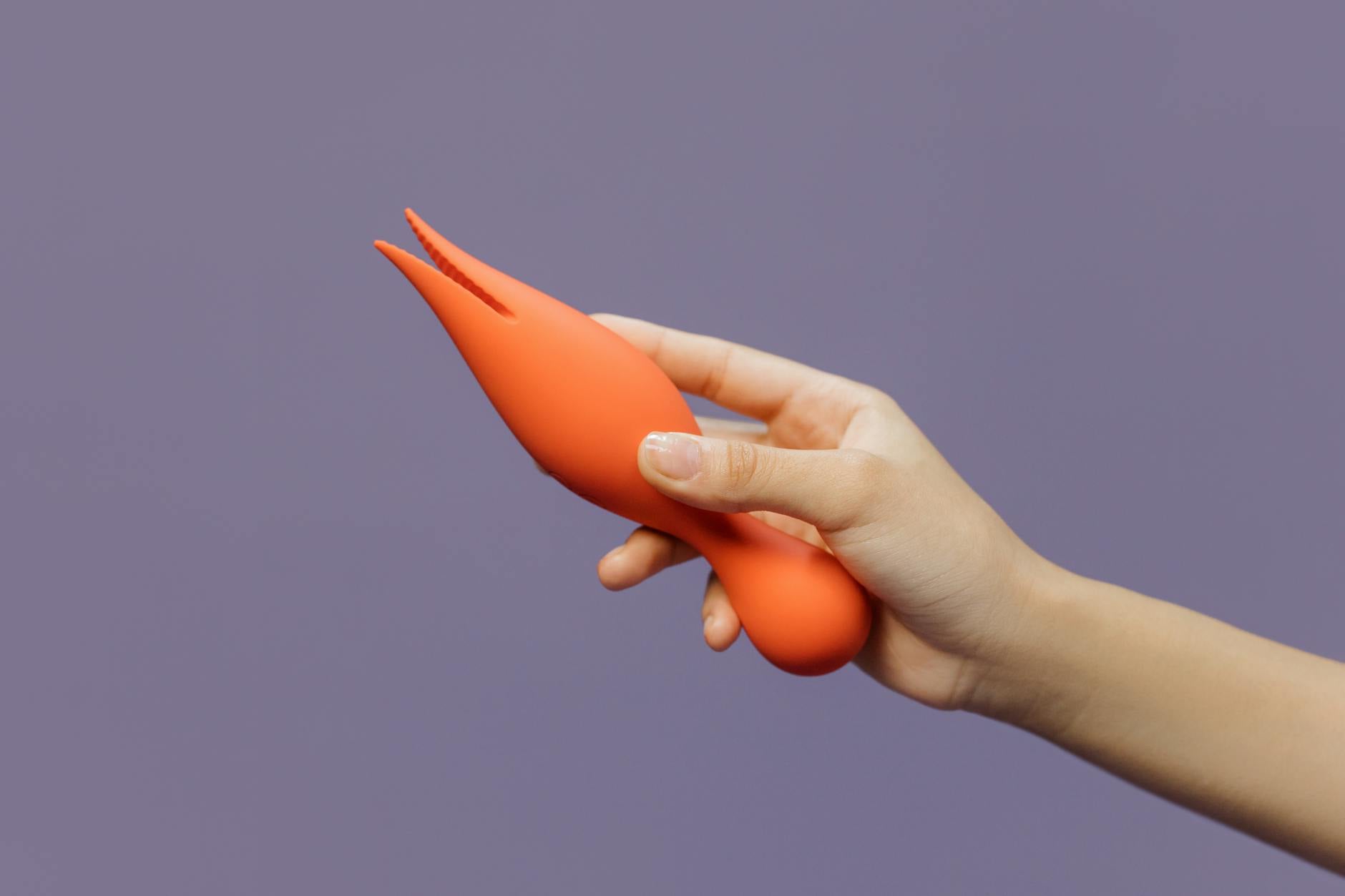
Here's what I see in my practice: couples don't stop loving each other during these transitions. They stop touching each other. And that gap—between "we still want this" and "I don't even know how to start"—is exactly where a tool like the lemon clitoral vibrator can help you rebuild something real.
Why major life changes kill desire (and why that's not your fault)
This isn't about falling out of love. When your nervous system is running on survival mode—whether that's financial stress, caregiving, grief, or just the low-level panic of change—your brain literally deprioritizes pleasure. It's not a character flaw. It's neurobiology.
The secondary effect is worse: weeks without touch become months, and your body starts to forget what it feels like. Arousal gets rusty. You become strangers in the same bed. Then shame moves in because you "should" want your partner, and that shame makes reaching out even harder.
The spiral is real. Breaking it requires something small and concrete that says: "I'm still here. You're still here. Let's find each other again."
Why lemon vibrators work when reconnection feels awkward
There are three reasons I recommend lemon clitoral vibrators to couples rebuilding after disruption.
First, they're low-pressure. A vibrator isn't a demand. It's not "we should have sex right now." It's "let's spend 15 minutes exploring what still feels good." That distinction dissolves so much of the performance anxiety that stalls reconnection.
Second, they bypass the goal of orgasm. When couples are out of sync, intercourse becomes another thing you're both failing at. A lemon vibrator lets you shift the goal from "both finish at the same time" to "let me show you what I've learned about my body." That's vulnerable in a good way. That's intimate.
Third, they work. A lemon clitoral vibrator using air-suction technology is effective and consistent. When life is chaotic, consistent pleasure is honest reassurance that this part of you still works, still matters, and can be prioritized again.
How to start when you haven't touched in months
Don't jump straight to partnered use. Your body needs solo permission first.
Set aside 20 minutes alone. Not "whenever you feel like it"—actually schedule it. Light a candle if that helps, or don't. Silence or a playlist. Whatever makes you feel safe. Use a water-based lubricant because reconnecting with sensation deserves ease, not friction.
Start with the lowest pattern on your lemon vibrator. Nancy's Lemon Shop designs tools that let you explore without jumping into intensity. You're not here to chase an orgasm. You're here to remember that your body can feel good. That matters more than the finish line.
Do this alone two or three times. Let pleasure stop feeling like a performance metric and start feeling like permission.
When you're ready to invite your partner
The conversation matters more than the toy. Tell your partner what you want: "I miss you. I miss us. I want to rebuild this slowly, and I'm nervous it won't feel natural anymore. Will you help?"
If your partner is willing—and they should be—start clothed. This sounds small. It's not. You'll use the lemon vibrator on yourself while they're present, and you're teaching them what brings you pleasure. You're saying: "This is what I like. This is what my body has learned about itself while we've been distant."
Most couples report that this becomes foreplay naturally. Others find that the toy stays external and that's their new rhythm. Both are correct. The point is reconnection, not a specific outcome.
When intensity matters and when it doesn't
After months away from sex, you might feel numb. Or hypersensitive. Both are normal.
If sensation feels muted, don't jump to maximum intensity on your lemon vibrator. Instead, layer in sensation. Use the vibrator with lubricant. Focus on patterns rather than strength. Nancy's lemon clitoral vibrators offer varied patterns that build complexity without brute force. Your body will wake up faster with variation than with power.
If you're hypersensitive—which happens to people rebuilding after trauma or loss—start at pattern 1 and stay there as long as you need. There's no rush. Reclaiming pleasure after disruption isn't a race. It's a quiet process of remembering that you deserve to feel good.
The partner's role isn't to fix it
If you're the partner watching your significant other reconnect with pleasure, your job is witness, not savior. Don't try to "do it better" than the toy. Don't feel replaced. A lemon vibrator isn't a substitute for you. It's a bridge back to your partner.
There's legitimate research showing that couples who integrate toys together report higher satisfaction and stronger emotional connection afterward. You're not losing anything. You're rebuilding together.
What to expect in the first month
Week one: awkwardness. Logistics. "Do we close the door? Do we need music?" That's fine.
Week two: your body starts to remember that pleasure is possible. You might get impatient or frustrated. That's also fine.
Week three: something shifts. You realize you're making time for this, and it's getting easier to ask for it.
Week four: you stop thinking about "using a toy" and start thinking about "time with my partner." That's when you know it's working.
Talking about lemon vibrators without the awkwardness
If you've been distant, using a sex toy can feel loaded. It doesn't have to.
Honest language: "I want to rebuild this with you. I'm curious about the lemon vibrator because I've heard it's effective and lets us explore without pressure."
Not: "Maybe if we used a toy we could fix things."
One opens a conversation. The other makes the toy responsible for fixing a relationship. Only you can do that work. The lemon clitoral vibrator is just a tool that makes the work more pleasurable.
When to keep it solo, when to invite them
There's no rule. Some couples use a lemon vibrator together every time. Others have it as occasional connection and build most of their intimacy differently.
The key is consent and communication. If your partner isn't interested, forcing it won't work. But if they're hesitant, show them. Let them see that it's not threatening. That it's actually kind of hot to watch someone reconnect with their own pleasure.
If you're not sure your partner will want this, start with your solo exploration guide first. Build your own confidence. Then, when you bring it up, you're not asking if your partner will accept a toy. You're inviting them into something you've already chosen for yourself.
When reconnection stalls
Sometimes life is still too disrupted. Stress is still high. One of you pulled away and hasn't come back.
That's not about the lemon vibrator. That's about the relationship needing more than pleasure can offer. If you've tried—really tried—and the distance is still there after a month of consistent effort, talk to someone. A therapist, a counselor, a trusted friend.
A vibrator can be the thing that helps you remember touch. It can't be the thing that rebuilds trust or heals resentment. That work is yours to do together.
The real point of reconnection
Using a lemon clitoral vibrator after major life disruption isn't about having better orgasms. It's about saying: "Our life got messy and we got lost in it, but I still want to find you." That vulnerability, that willingness to be awkward and uncertain and hopeful again—that's what rebuilds intimacy.
The vibrator is just the permission structure. You're the ones doing the actual work of touching each other again. And that matters.
FAQ
How soon after a life change should we try using a vibrator together?
There's no timeline, but I usually recommend waiting until the acute crisis phase is over. If you're actively grieving, in the middle of a move, or managing a job loss, your nervous system needs to stabilize first. Give yourself four to eight weeks. Then, when the immediate chaos settles, introduce pleasure back as a signal that life is becoming yours again.
What if my partner is uncomfortable with toys?
Start by asking why. Is it religious? Insecurity? Fear it replaces them? The reason matters. If it's insecurity, show them that a lemon vibrator enhances your connection—it doesn't replace it. If it's values-based, respect that and explore other ways to reconnect. You can rebuild intimacy without toys if that's what you both choose.
Can a lemon vibrator help if we're grieving?
Yes, but carefully. Grief disconnects couples because you're both drowning separately. Touch and pleasure can be a way back to each other, but only if you're not using them to bypass the grief. Some couples find that pleasure feels wrong during acute loss. That's normal. Give yourself permission to wait. When you're ready, reconnection through touch can be healing.
What if sensation feels numb or weird after months apart?
That's neurological, not a sign something is broken. Start with a lemon vibrator at lower intensities and let your body rebuild sensitivity gradually. Water-based lubricant helps. Longer warm-up periods help. Be patient. Your nervous system will remember pleasure, but it needs consistency and time.
Should we use the vibrator every time we're intimate?
No. Use it as often as it feels good and stop when it doesn't. Some couples find it's their new baseline for foreplay. Others use it occasionally as a way to stay connected. There's no right frequency. What matters is that you're both enthusiastically choosing it.
Is it normal to feel vulnerable the first time you use a toy together?
Completely normal. You're revealing what turns you on, what your body needs, what you've missed about pleasure. That's intimate. That's exactly the vulnerability that rebuilds connection after distance. Lean into it.
Moving forward
After major disruption, reconnection isn't automatic. It's a choice you make again and again. A lemon vibrator can be part of that choice. It can help you remember that pleasure still exists, that your body still matters, and that your partner still wants you.
The rest—the trust, the presence, the willingness to stay—that's on you. But you don't have to do it alone. And you don't have to do it perfectly. You just have to start.
If you have questions about rebuilding intimacy or want guidance on communication with your partner, we're here to help. Get in touch.