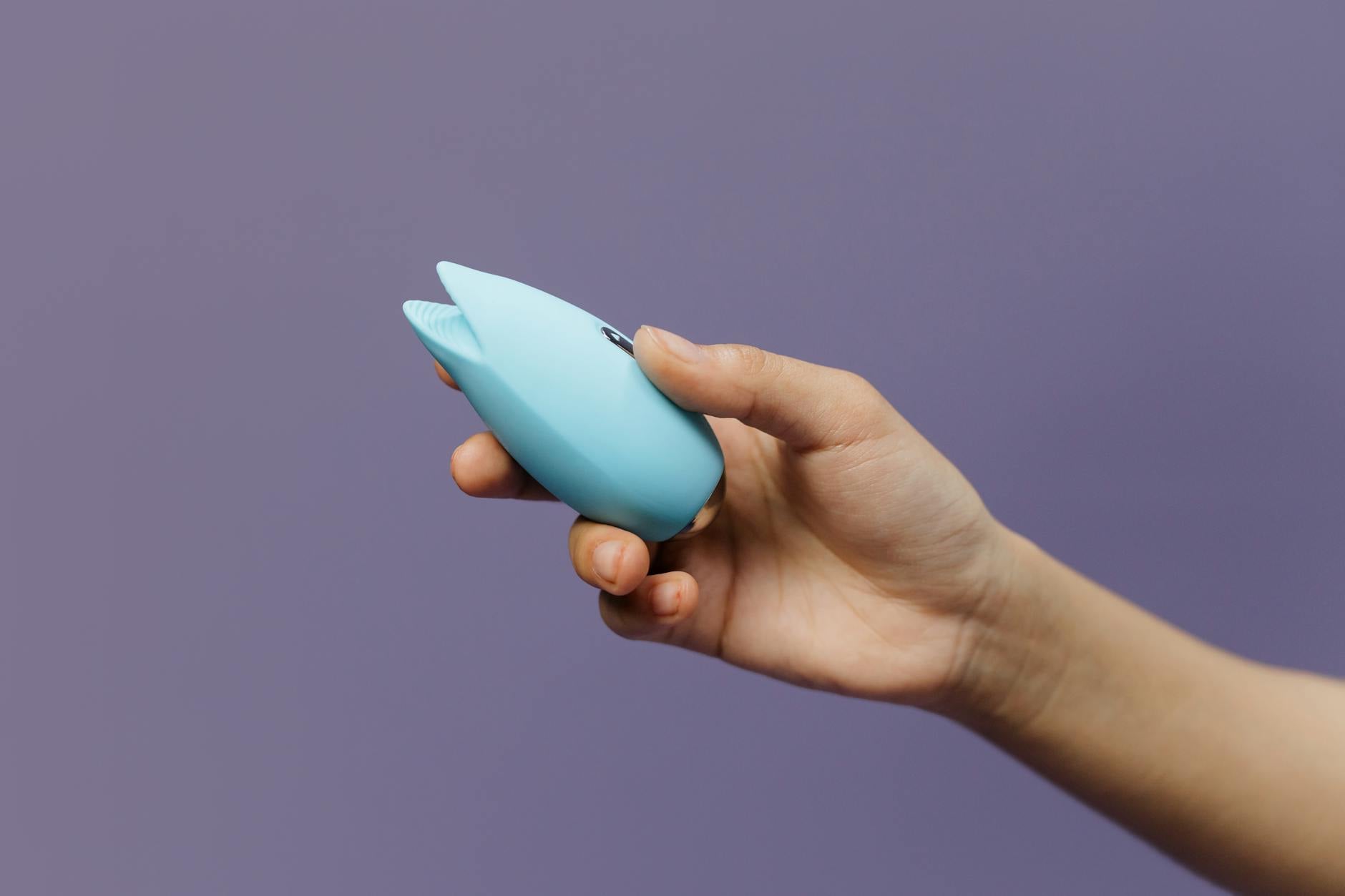
Let's be real about this one
Introducing a sex toy to a long-term partner can feel genuinely harder than actually using one solo. There's history. There's rhythm. There's a script you've both been following for years, and suddenly introducing a new prop feels like admitting the old one wasn't working. Spoiler: that's not what's happening.
A lemon vibrator isn't a replacement for your partner. It's a conversation starter. And after years together, sometimes you need permission to have a different kind of conversation.
Why long-term couples hesitate
I see this hesitation constantly in my practice. Partners worry about three things: that introducing a toy means they're not enough, that it'll interrupt the flow you've built together, or that it signals something has gone wrong. None of that is true, but the worry is real and it matters.
Here's the actual pattern. After five, ten, fifteen years with someone, sex often becomes efficient. Predictable. Not bad, but narrow. A clitoral vibrator doesn't fix a broken relationship. But it does create novelty. It gives you both something new to learn together. That newness is what couples often miss most.
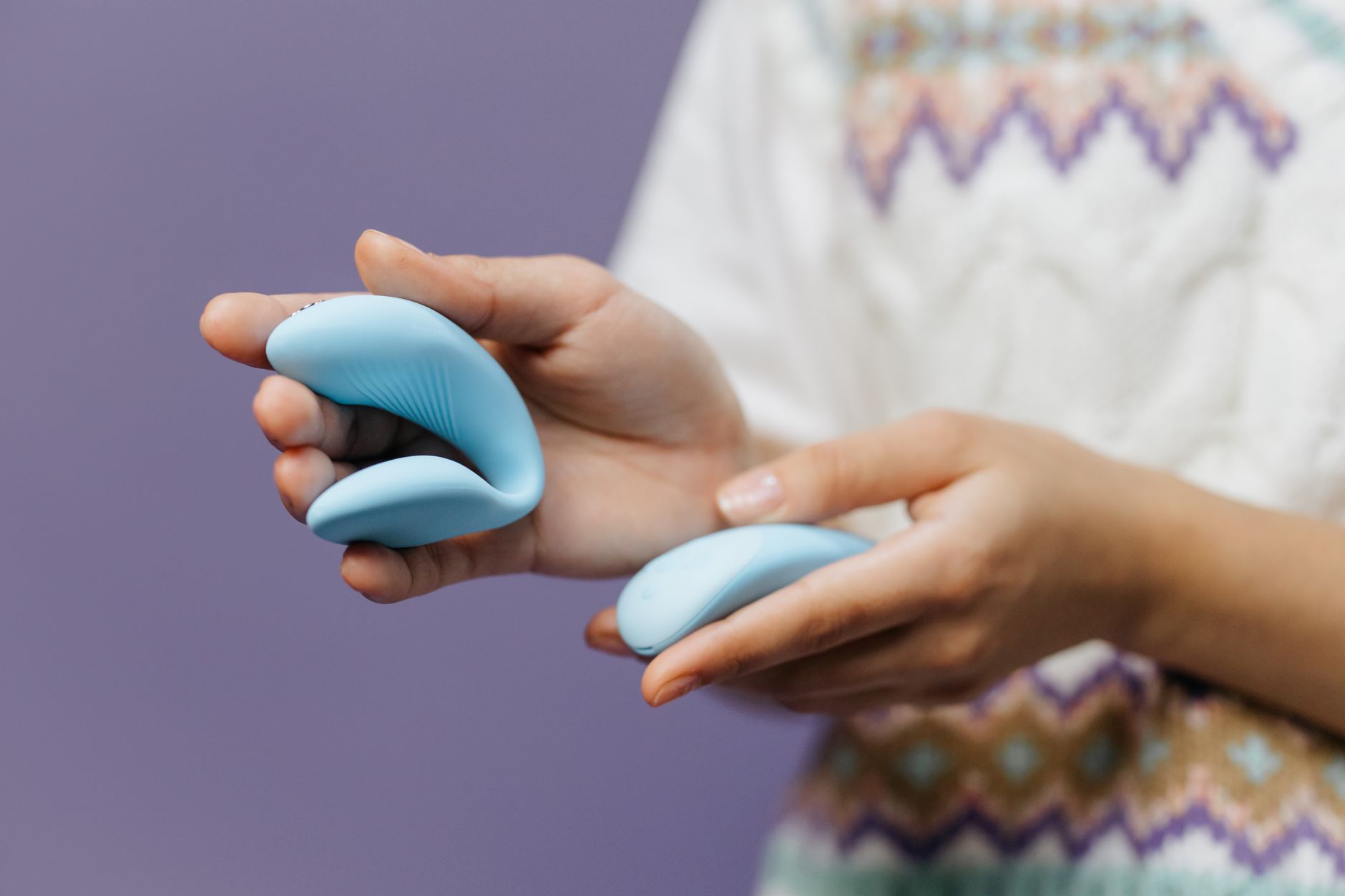
Photo by cottonbro studio on Pexels
The conversation that changes everything
Don't lead with the toy. Lead with desire.
Something like: "I've been thinking about us lately. About how we used to explore more. I want to try something new together. I saw these clitoral vibrators and I'm curious. Would you be open to that?" Notice what's happening here. You're not apologizing. You're not saying sex is broken. You're saying you want more.
That distinction matters. Partners who feel like toys are fixing a problem get defensive. Partners who feel like toys are expanding something good get curious.
If your partner hesitates, listen. Ask why. "Does it feel like I'm not satisfied?" "Are you worried it'll change things?" "Do you want to try it solo first and see how it feels?" These are real conversations. They take time. They're worth it.
Timing and setup matter more than you think
Don't pull out a lemon vibrator mid-foreplay like a surprise. That's the fastest way to break the mood and make everyone uncomfortable.
Instead, talk about it when you're both clothed and have time. Maybe over coffee. Maybe after dinner. Say something like: "I want to try using a lemon vibrator together next time we're intimate. Nothing wild. Just want to see how it feels. Are you in?" Give your partner time to sit with that. To feel anticipation, not ambush.
When you do use it, pick a time when you're both relaxed. Not after a stressful day at work or when kids are about to come home. Pick a Saturday morning. Pick a night you've both said yes to beforehand. Set the tone. Dim the lights. Make it feel intentional, not like a last-minute experiment.
The actual mechanics (and why it's not scary)
If you're using a lemon clitoral vibrator together, start simple. One of you holds it. The other receives. This is not about performing or proving anything. It's about sensation.
Here's the sequence that works for most couples. First, lots of warm-up. Build arousal the way you normally do. Then introduce the toy on a low setting, external stimulation only. Let your partner get used to the sensation. It feels different than hands or mouth. That difference is the whole point.
Many long-term partners say that handing over control to a vibrator actually relieves pressure. If you're used to being the one who has to maintain intensity, it's a relief to let something else do that work. Your hands are free. You can kiss. You can be present in a different way.
Talk through what you're feeling as it happens. "Does this feel good?" "Want me to switch to a different pattern?" "Should we try a different intensity?" This isn't clinical. It's intimate. You're both learning how your body responds to something new.
The resistance points (and how to move through them)
Sometimes one partner feels disconnected when a toy enters the scene. That feeling is valid and it's also workable. Here's what helps: include them actively. Don't let them become a spectator.
If your partner is holding the lemon vibrator, you're in control of intensity and sensation, but they're guiding the experience. You're partners in this. If you're holding it, ask your partner what they want to feel next. Make it collaborative, not one person doing something to the other.
Another resistance point: comparison. A vibrator never gets tired. It never loses focus. For partners who've carried performance anxiety for years, that can feel threatening. Counter this by not using the toy every time. Keep hands, mouths, bodies central. The toy is an addition, not a replacement.
What happens after the first time
You might feel great. You might feel awkward. Both are normal. Don't pretend it went differently than it did.
If it felt great, that's worth noting. "I liked that. Want to do it again?" If it felt weird, that's also information. "That didn't land for me. But I liked that we tried it together." The goal isn't perfect pleasure on round one. The goal is reopening a conversation you might have stopped having years ago.
Many couples find that after introducing a lemon vibrator, they start talking differently about sex in general. What they want. What feels good. What they've been too shy or too comfortable to mention. That conversation is the real win. The vibrator is just the doorway.
When to bring toys into regular rotation
If you've both enjoyed the experience, you get to decide how often to use it. Some couples incorporate it once a month. Some every other time. Some just occasionally. There's no right frequency. The right frequency is whatever keeps both of you engaged and interested.
One thing I notice: couples who make toys part of regular intimacy report higher satisfaction and better communication overall. Not because vibrators are magical. Because they signal that you're both willing to stay curious. To try things. To keep showing up for each other's pleasure.
That willingness to explore together is what makes long-term relationships work. The lemon vibrator is just evidence that you're still interested.
The bigger picture
Introducing a clitoral vibrator to your long-term partner is really about saying: "I want us to feel more. I want to discover something new together. I still want you." That message, sent clearly and with patience, changes everything.
Start the conversation. Listen to their hesitations without judgment. Show up with curiosity instead of pressure. Let the toy do what it does best: create sensation and possibility. The rest is just two people who've chosen each other, choosing to keep exploring.
People also ask
How do I bring up using a lemon vibrator if my partner has never wanted toys before?
Start small. Don't lead with the vibrator. Lead with wanting more connection. "I've been thinking about us, and I want to explore more together. I found something I'm curious about. Would you be open to trying it?" This frames it as expansion, not replacement. Give your partner time to adjust to the idea. People who feel pressured dig in. People who feel invited get curious.
Will using a vibrator make my partner feel like they're not enough?
Only if you frame it that way. That's why the conversation matters so much. If you say "I need this because you don't satisfy me," yeah, they'll feel replaced. If you say "I want to explore more sensation with you," they feel included. The toy isn't about inadequacy. It's about novelty and expansion.
Should my partner use the lemon vibrator on me, or should I use it on myself during sex?
Both work, but start with your partner using it on you. This builds trust and allows them to be active in the experience. They control the intensity, the patterns, the rhythm. You both get to explore together. If it feels good, you can experiment with other options later.
What if my partner tries it and hates it?
That's information, not failure. Some people prefer the sensation of skin or penetration. Some are just not into toys. That's completely fine. The point wasn't the toy. The point was trying something together. You both showed up, you both tried. That matters more than whether you use it again.
How often should we use a lemon vibrator if we're long-term partners?
Whatever frequency keeps you both interested. Some couples use toys regularly. Some occasionally. Some find that after a few times, the novelty wears off and they don't need it anymore. All of that is normal. The goal is connection, not obligation. If using it together stops feeling fun, stop using it.
Is there a best lemon vibrator for couples?
Look for something with varied intensity levels and a few pattern options. The Lem is designed specifically for external clitoral stimulation and works well for couples because the sensation is powerful but not overwhelming. Whatever you choose, start on the lowest setting and go from there. You can always turn it up. You can't un-startled someone.