Here's what nobody tells you about recovery and pleasure
When your body heals from illness, injury, or a course of intensive treatment, the physical changes are obvious. What doesn't get discussed: your orgasms might feel different too. Duller. Harder to reach. Sometimes almost distant, like you're watching your body respond instead of feeling it.
This is not a sign that pleasure is permanently gone. It's a sign that your nervous system is recalibrating.
Why sensation gets muted during recovery
Think of your sexual response like a dimmer switch that someone just turned down. Here's what's actually happening.
Intensive treatment, prolonged illness, or trauma to the body can stress your nervous system hard enough that it deprioritizes pleasure signals. This is protective and temporary, but it feels awful. Blood flow to genital tissue may be reduced as your body funnels resources to healing core systems. Some medications mess with neurotransmitters that carry pleasure signals to the brain. Pain or the memory of pain can also hijack arousal, creating a protective numbness that keeps you from wanting to go there again.
The good news: sensation returns. It doesn't happen overnight, and it doesn't happen the same way it did before. But research on people rebuilding pleasure after surgery, chemotherapy, and serious illness shows a clear pattern. Gradual, consistent stimulation wakes up nerve endings. The brain relearns the pathway. Within weeks to a few months, most people report meaningful improvement.
Why suction play works better during recovery
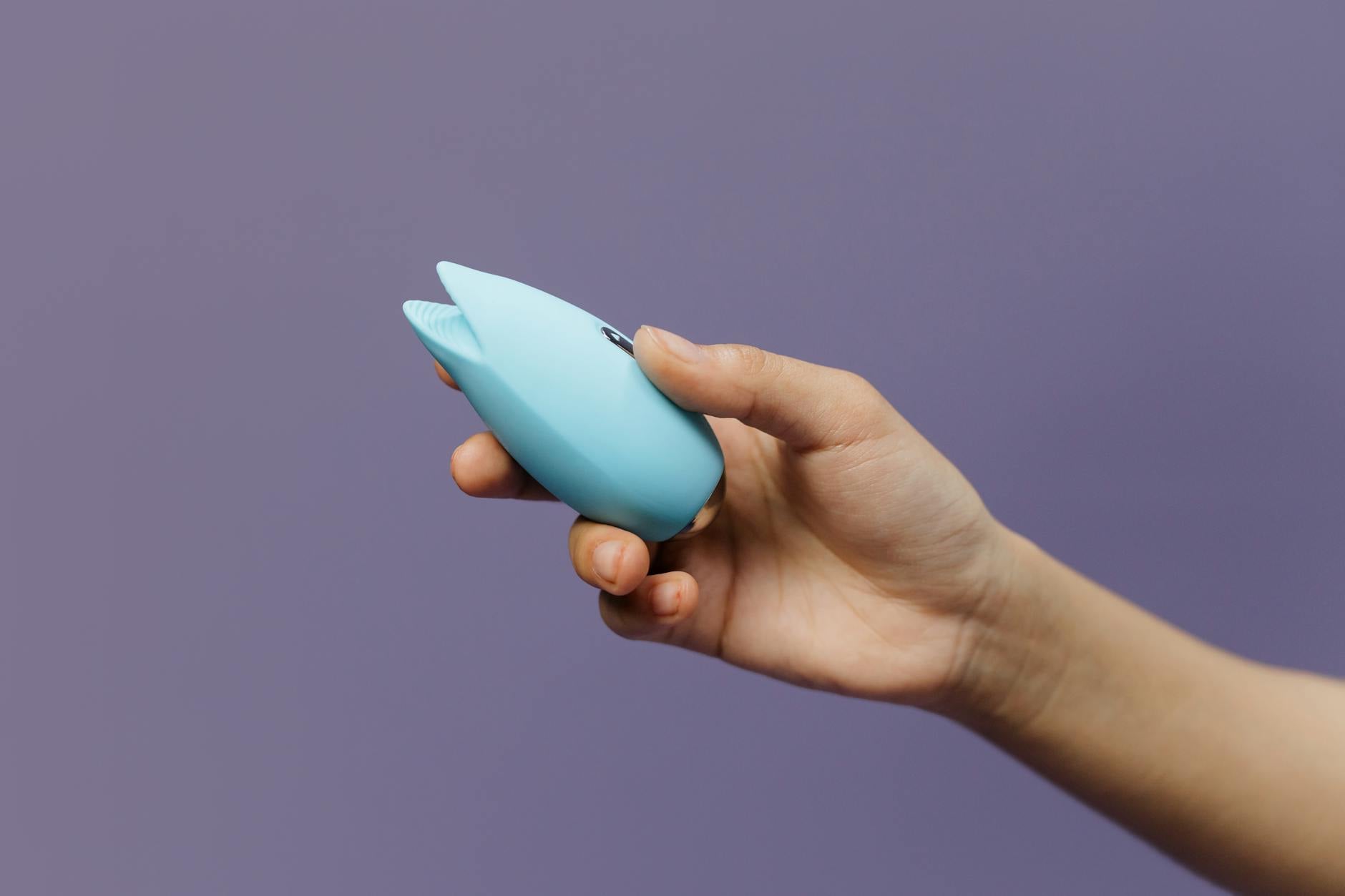
A lemon clitoral vibrator uses suction and gentle pulsing, which is different from direct vibration. That matters when you're rebuilding.
Direct vibration requires your nervous system to interpret fast, repetitive signals. When that system is tired or recovering, those signals can feel irritating instead of pleasurable. Suction, on the other hand, creates a gentle vacuum and rhythmic massage. It stimulates nerve endings without requiring the same amount of neural processing power. It's also more forgiving. You can't overstimulate with a lemon clitoral vibrator the way you might with a traditional wand. The seal breaks naturally if pressure gets uncomfortable.
For people recovering from illness or injury, a lem vibrator often feels less intense while still delivering sensation. And that's exactly the range where recovery happens.
Your rebuild timeline, realistic version
Weeks one and two: Start at the lowest setting, pattern one. You're not trying to orgasm yet. You're trying to reintroduce sensation. Even if pleasure feels muted, you're sending a signal to your nervous system. "This is safe. Pay attention here." Spend 10-15 minutes, a few times a week. No pressure for outcome.
Weeks three and four: Your body's probably responding a little more. You might feel tingly where numbness was. Orgasms might still feel flat, but they're becoming reachable again. Stay at low settings. Start to notice what patterns or intensities feel best now. This is different information than you had before recovery, and that's okay.
Weeks five and eight: Sensation usually starts clearing up noticeably around here. Orgasms begin to have texture again. Not back to baseline yet, but directional. You can probably experiment with slightly higher settings now. This is when many people find a sweet spot with lemon sexual toys or other clitoral vibrators.
Weeks nine onward: Recovery continues, but you're probably past the worst. Pleasure feels recognizable again. You might notice it has a different quality than it did before, and that's not a loss. It's just different. Some people report deeper, more localized orgasms after recovery. Others describe them as longer or more full-body. Your pleasure blueprint has shifted, and that's worth exploring.
The practical setup that actually helps
Four things make a difference when rebuilding with a lemon vibrator.
One: water-based lubricant, every time. Your tissues might be more sensitive right now. Good lube removes friction and signals safety to your nervous system. This alone can make pleasure feel more accessible.
Two: time and silence. Recovery brains are tired brains. No background noise, no pressure to finish quickly, no partner watching in a way that feels like evaluation. Solo exploration is usually the best first step. You're relearning your own body.
Three: the lowest setting first. Even if a lemon sucker's pattern one feels gentle to someone with normal sensation, honor where you are now. You can always turn it up. You can't un-stimulate yourself if you go too hard and trigger that protective numbness again.
Four: patience with yourself. Your brain might feel frustrated that pleasure doesn't arrive on schedule. That frustration blocks arousal. The weird paradox of recovery is that the fastest way back is the slowest, most patient approach.
When sensation isn't improving
If you're three months into recovery and orgasms still feel completely absent, or if sensation is actually getting worse, that's worth a conversation with your care team. Sometimes medication adjustments help. Sometimes you need clearance from your doctor to use vibrators at all, especially after certain surgeries or during specific treatment phases. No shame in checking.
If numbness persists after you're medically cleared, talk to a pelvic floor therapist if one's available to you. They can identify whether nerve pathways are intact and what's actually blocking sensation. You're not broken, but targeted help can speed things up.
What changes about pleasure itself
Here's the thing I hear from people rebuilding orgasm after recovery. Some say it comes back exactly like it was. But many describe it as different in ways they didn't expect. More internal. Slower to build but longer to peak. Sometimes weaker physically, but emotionally richer. Some people, especially those who went through long illness or injury, say pleasure feels more intentional afterward. Less automatic, more chosen.
That reframing matters because it means you're not chasing something lost. You're discovering something new that happens to involve your body learning to feel again.
Partnered pleasure during recovery
If you have a partner, the rebuild goes smoother if they understand two things. First, your lowered sensation is not a reflection of how attracted you are to them. It's your nervous system's natural response to recovery. Second, they're not responsible for fixing your pleasure. You are. They can support, but they can't force sensation to return faster.
Many couples find that using a lemon clitoral vibrator together during recovery actually strengthens connection. It takes penetration off the table, which removes performance pressure. It gives your partner something to do that feels collaborative instead of awkward. And it keeps intimacy alive while your body catches up.
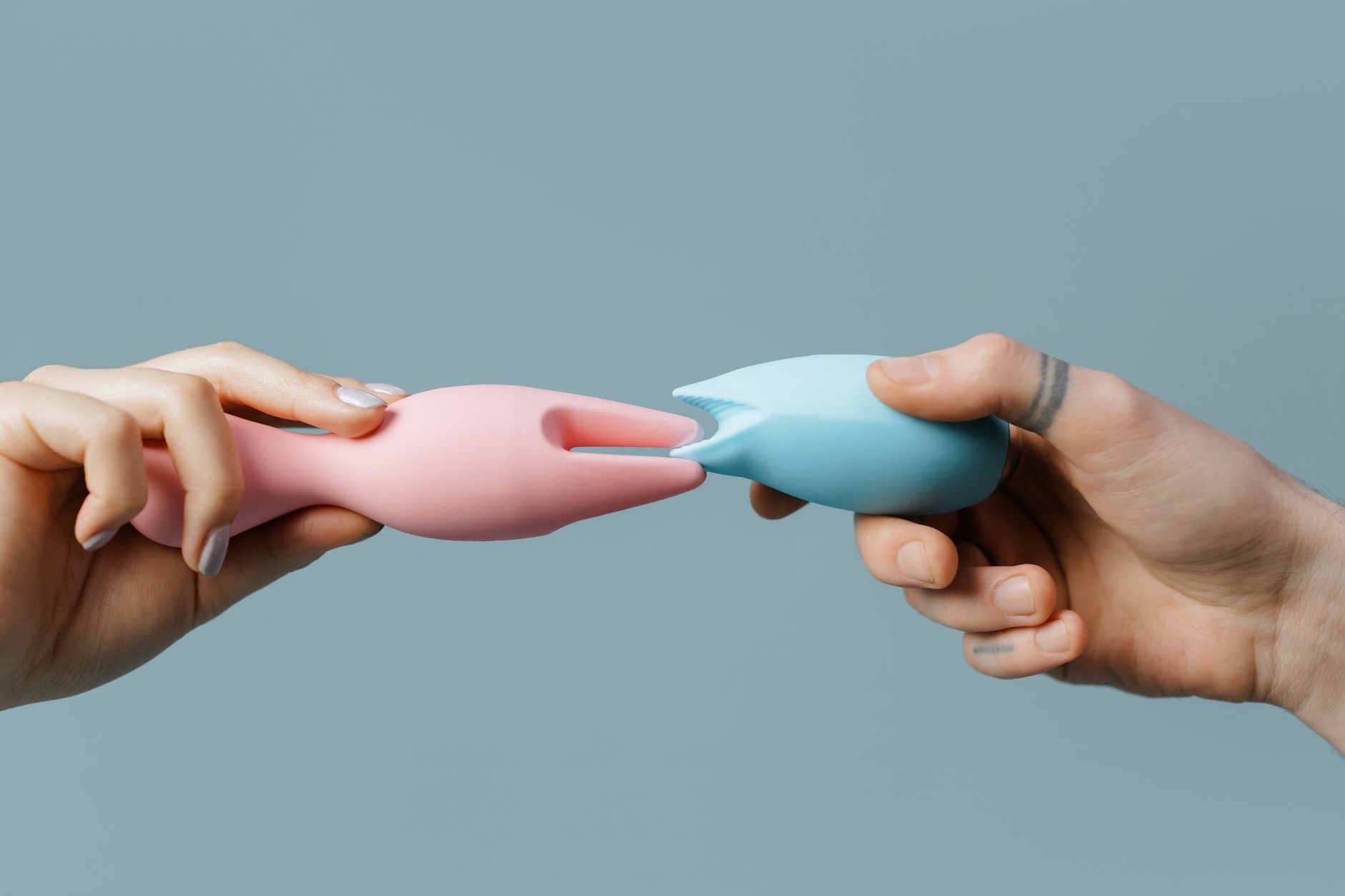
Photo by cottonbro studio on Pexels
The bigger picture
Recovery from illness or injury is not a linear process, and neither is rebuilding pleasure. Some days sensation will feel better than others. Some weeks you'll plateau. That's not failure. That's normal nervous system recalibration.
If you're rebuilding after surgery, medication changes, or serious illness, a lemon vibrator is a genuinely useful tool. The suction design is gentler than traditional vibration. It's forgiving of your changing sensitivity. And it works with your body's natural pace instead of against it.
Your pleasure matters, even during recovery. Especially during recovery, when your body needs to know it's safe to feel good again.
People also ask
How long does it usually take for orgasms to feel normal again after illness or injury?
Most people notice meaningful improvement within four to eight weeks of gentle, consistent stimulation. Full sensation recovery can take three to six months depending on what you're recovering from. Medication side effects might take longer to resolve if your doctor needs to adjust doses. The key is consistency and patience, not intensity. Your nervous system needs repeated signals that pleasure is safe again.
Can I use a lemon clitoral vibrator right after surgery?
Not immediately. Most surgeons recommend waiting at least four to six weeks before any genital stimulation, depending on the type of surgery. If you had pelvic surgery, gynecological procedures, or anything that involved sutures in sensitive areas, ask your doctor specifically. They'll give you clearance and timing. When you do get the okay, start extremely gentle and low-intensity.
What if I feel nothing at all with a lemon sexual toy during recovery?
Feel nothing is actually common in the first two to three weeks. Your nervous system might be too stressed to register pleasure yet. That doesn't mean it's broken. Keep using it at the lowest setting for short sessions, a few times a week. The point isn't to feel pleasure right now. It's to send your body a message that this area is safe to pay attention to. Sensation usually returns once your nervous system has evidence that stimulation won't hurt.
Should I try different lemon adult toys during recovery, or stick with one?
Stick with one for at least six weeks. Your nervous system needs consistency to relearn. If a lem vibrator is working, keep using it. Switching tools sends mixed signals and can slow recovery. Once you're past the initial rebuild phase and sensation is more stable, exploring other options makes sense. But during recovery, consistency matters more than variety.
Can antidepressants or other medications permanently prevent orgasms?
Not permanently, though some medications do dull sensation. If you're experiencing reduced pleasure from a new medication, talk to your prescriber. Sometimes a dose adjustment helps. Sometimes switching to a different medication in the same class works better. Sometimes the adjustment period is just longer. Recovery and medication changes require patience and dialogue with your doctor, not just trying harder or using a different vibrator.
Is it normal to feel emotionally sensitive when rebuilding pleasure after recovery?
Very normal. Pleasure is connected to your whole nervous system, not just genital sensation. After illness or injury, emotions come up. Sometimes relief. Sometimes grief about the way your body feels different. Sometimes frustration that this is taking longer than expected. All of that is part of recovery, not a sign something's wrong. Having a partner, therapist, or trusted friend to talk to often helps more than pushing harder on sensation rebuilding alone.