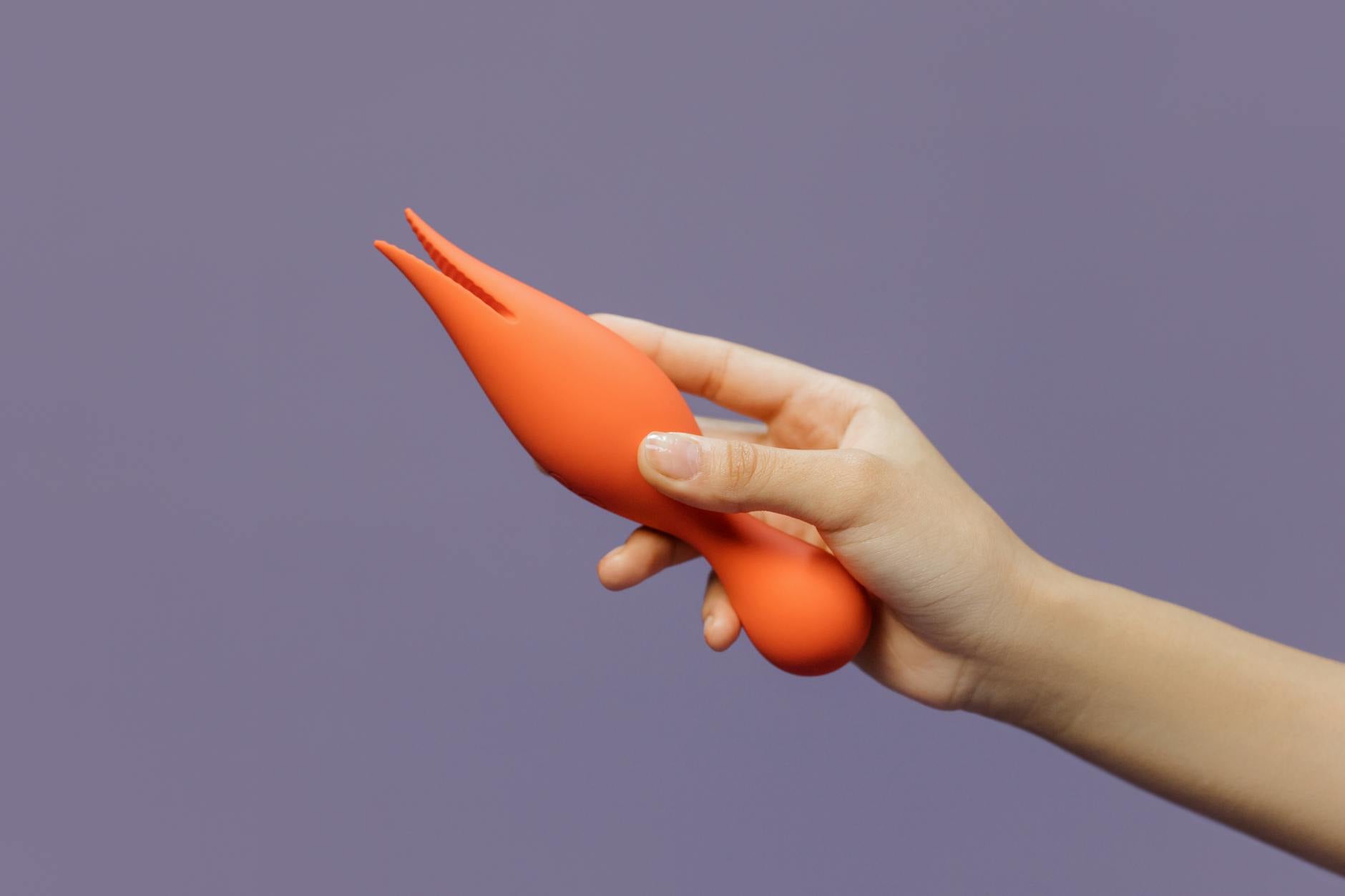
Let's start with what nobody tells you about surgery and sensation
Surgery interrupts more than your schedule. It disrupts nerve pathways, blood flow patterns, and the subtle neural wiring that makes pleasure possible. If you've had abdominal, gynecological, or any procedure that touched tissue in or near your pelvic floor, you already know: something feels different. Duller. Slower. Sometimes completely absent.
Here's what I want you to know first: this is temporary, though "temporary" might mean three months or a year, not three weeks. Your body is healing. And pleasure is not off the table. It just needs a different playbook.
What actually happens to sensation after surgery
When a surgeon works on tissue, they're cutting through nerves, not just skin. Those nerves don't reawaken on a predictable schedule. Some regenerate quickly. Others take months. Inflammation in the area also dampens sensation temporarily. Your brain, processing pain signals from the surgical site, sometimes turns down the volume on pleasure signals too. It's a protective response.
The clitoris, which has roughly 8,000 nerve endings concentrated in a tiny space, is particularly sensitive to disruption. Even if surgery didn't directly touch the clitoral area, downstream inflammation or pelvic floor tension from healing can muffle those signals.
Add to that the psychological component: post-surgery, many people are anxious about reopening wounds (even though you won't), worried about pain, or just too exhausted to consider pleasure as anything other than a distant concept.
The timeline nobody warns you about
Most surgeons give you a six-week clearance to resume sex. That's for mechanical reasons: tissues are closed enough not to tear open. But neurological and vascular healing? That's slower.
Weeks 1-4: Sensation is muted. Pain or numbness dominates. Your pelvic floor is locked tight as a protective reflex. This is not the time to introduce new sensations.
Weeks 5-8: Clearing starts to feel possible. You might notice small windows where sensation flickers back. This is when a gentle approach makes sense.
Weeks 9-16: Most people start to feel something closer to baseline. This is when a lemon clitoral vibrator becomes genuinely useful instead of overwhelming.
Months 4+: Full sensation recovery often takes longer than you'd expect. Be patient with the timeline.
Why lemon vibrators specifically help during recovery
Not all vibrators are equal when you're rebuilding sensation. Here's why a lemon sexual toy, or lem vibrator, works better than the alternatives:
Suction technology versus traditional vibration. A lemon clitoral vibrator uses gentle air-pulse stimulation rather than mechanical buzzing. This feels less invasive to healing tissue. It's stimulation without pressure, which matters enormously when your nervous system is still registering everything as potentially threatening.
Graduated intensity control. Most lemon adult toys have eight to ten speed settings. During recovery, you're starting at setting one or two, not jumping to maximum. This gradual escalation lets your nerves relearn pleasure without triggering protective shutdown.
Broader stimulation pattern. The way a lemon sucker distributes stimulation across the clitoral area, rather than concentrating pressure on a single point, feels gentler and more accessible when sensation is still returning.
The first month after surgery: what to avoid
Don't use any vibrator in the first four weeks. Your body is in acute healing mode. Any stimulation, even gentle, can amplify inflammation and pain. Wait. I know that's not what you want to hear.
Instead, focus on non-genital pleasure. Touch your partner's hand. Feel different textures. Notice what feels good on non-surgical areas of your body. This isn't wasted time. You're reconnecting with sensation and pleasure in places that aren't demanding healing energy.
Around week five, if you have medical clearance and you're not in pain, you might try your lemon clitoral vibrator at the absolute lowest setting for no more than two to three minutes. Just to see how your body responds. Many people find even this is too much. That's fine. Stop. Wait another week.
Building back into pleasure, slowly
Week 8 onward (with your surgeon's approval), here's a framework that works:
Start with warm water. A shower or bath increases blood flow and helps sensation wake up. Spend ten minutes warming up before you even think about touching yourself.
Begin at your lowest lemon vibrator setting. If you're using a lem vibrator, start at setting one. Spend a few minutes just letting the sensation sit. You're not trying to climax. You're teaching your nervous system that this input is safe.
Add lubrication even if it seems unnecessary. Post-surgical tissue is often drier. A water-based lube helps the lemon sucker glide more comfortably and reduces friction that might trigger pain.
Keep sessions short. Ten to fifteen minutes is plenty. You're not building stamina. You're signaling to your body that pleasure is available again.
Expect plateaus. Some weeks will feel like progress. Others will feel like you're back to square one. This is normal. Healing isn't linear.
What to communicate with your partner during recovery
If you have a partner, this conversation matters as much as the physical recovery. Here's what I recommend telling them:
"My body is healing, and sensation is coming back slowly. This isn't about you or attraction. It's biology. When we do explore pleasure again, I need you to match my pace, not lead it. If I use a lemon vibrator, I'm not replacing you. I'm helping my nervous system remember how to feel. Being patient with this process is actually the most intimate thing you can do right now."
Many partners worry that introducing a vibrator signals dissatisfaction. It doesn't. It signals self-awareness and honesty about what your body needs to heal.
When numbness persists and sensation doesn't return
If six months have passed and sensation is still significantly muted, talk to your surgeon or a pelvic floor specialist. Persistent nerve damage is rare, but it's real. A physical therapist trained in pelvic health can sometimes wake up dormant nerves through specific manual techniques.
In some cases, sensitivity does shift permanently. It might be lower than pre-surgery. Your orgasm might feel different. This is worth grieving, and it's also worth experimenting with. Some people discover new sources of pleasure they didn't know existed.
The bigger picture: pleasure after trauma is possible
Surgery is a trauma to your body, even when it's necessary and successful. Reclaiming pleasure is part of reclaiming ownership of your body. A lemon clitoral vibrator isn't a cheat code. It's a tool that respects where you actually are in healing, not where you wish you were.
The point isn't to rush back to your pre-surgery baseline. It's to move forward gently, with patience for a body that's doing its best to heal. That's the whole practice.
People also ask
How long after surgery can I safely use a lemon vibrator?
Most surgeons clear genital activity around week six. But neurological healing takes longer. I recommend waiting until week eight at minimum, and only then using the very lowest setting for just a few minutes to gauge your body's response. If there's pain, numbness, or discomfort, wait another week or two. There's no prize for rushing. Your nervous system will signal when it's ready.
Will using a lemon sexual toy re-injure my surgical site?
No, assuming you have full medical clearance and you're past the acute healing phase. The clitoris is external and not usually the surgical site itself. A gentle lemon sucker creates stimulation without mechanical pressure that would threaten healing tissue. That said, if you have pain, stop immediately and contact your surgeon.
My sensation still feels dull at three months. Is that normal?
Absolutely. Three months is still early in the nervous system healing timeline. Full sensation recovery often takes six to twelve months, sometimes longer. Some people notice improvement happens in waves: a few good weeks, then a plateau. This is your body gradually reactivating dormant nerve pathways. A lemon clitoral vibrator at low settings can actually help coax those nerves back online, but patience is the real medicine here.
Can my partner use a lemon vibrator on me during recovery?
Yes, but with the same caution. A partner's hand often feels more manageable than self-touch during vulnerable recovery phases because there's less performance pressure. Start with them using the vibrator at the lowest setting, and communicate openly about pressure, pace, and comfort. If anything triggers anxiety or pain, pause. Recovery is collaborative.
What if I had abdominal surgery, not gynecological surgery? Does a lemon vibrator still help?
It can. Abdominal surgery affects pelvic floor tension even when the surgery wasn't directly pelvic. Tight pelvic floor muscles reduce sensation. A gentle lemon clitoral vibrator can help activate and relax those muscles over time. But move slowly and stop if anything feels sharp or wrong.
Is there a specific lemon adult toy best for post-surgery recovery?
The key is low settings, gentle stimulation, and suction technology over traditional vibration. The lem vibrator is designed exactly for this: graduated intensity, air-pulse technology, and a thoughtful shape. But any quality lemon clitoral vibrator with multiple low settings and a gentle pattern will serve you during recovery.
Moving forward
Your body has survived something significant. Pleasure returning is not a luxury. It's a marker that you're healing. Use your lemon vibrator not as a performance tool but as a gentle signal to your nervous system that you're safe, you're whole, and your body is still capable of joy. The timeline is yours. There's no deadline. That's the whole thing right there.