The antidepressant paradox
Your SSRI works. Your mood lifted, anxiety quieted, life got livable again. And then your libido evaporated.
This is not a myth or a side effect you should just accept. Sexual dysfunction from antidepressants happens in about 40 to 60 percent of people taking them, depending on the medication and dosage. It's real, it's common, and it's absolutely treatable. The reason you're not hearing about it more is because people don't volunteer this information in casual conversation. But that silence creates shame, and shame makes people either quit working medications or quietly suffer alone. Both are awful outcomes.
Here's what I know from working with hundreds of couples navigating this: staying on an antidepressant that works for your mental health is not optional. Your sexual desire is important too, but not more important than your ability to function and stay alive. The good news is that these two things don't have to compete. You can have both, and a lemon clitoral vibrator is often one of the fastest, most direct ways to rebuild physical pleasure while your brain chemistry stabilizes.
Why antidepressants tank desire in the first place
It's not your imagination. SSRIs (and other antidepressants) affect dopamine and serotonin in ways that can flatten motivation, reduce genital sensitivity, and make orgasm harder to reach. Some people lose the wanting part of desire. Others lose the feeling part. Many lose both.
The mechanism is neurochemical. Serotonin increases calm, but it also dampens the urgency and reward anticipation that drives sexual interest. The same chemical that quiets your anxiety is whispering "meh" to pleasure. This usually happens within the first few weeks of starting medication, though sometimes it emerges gradually over months.
There are a few myths worth debunking here. First: it's not permanent. Even if you stay on the medication, pleasure can return with tools and intention. Second: it's not your relationship's fault. Your partner isn't boring, you're not broken. Your neurochemistry is temporarily retuned. Third: you don't have to choose between mental health and sexual health. That's a false binary.
The direct path: why lemon vibrators work differently
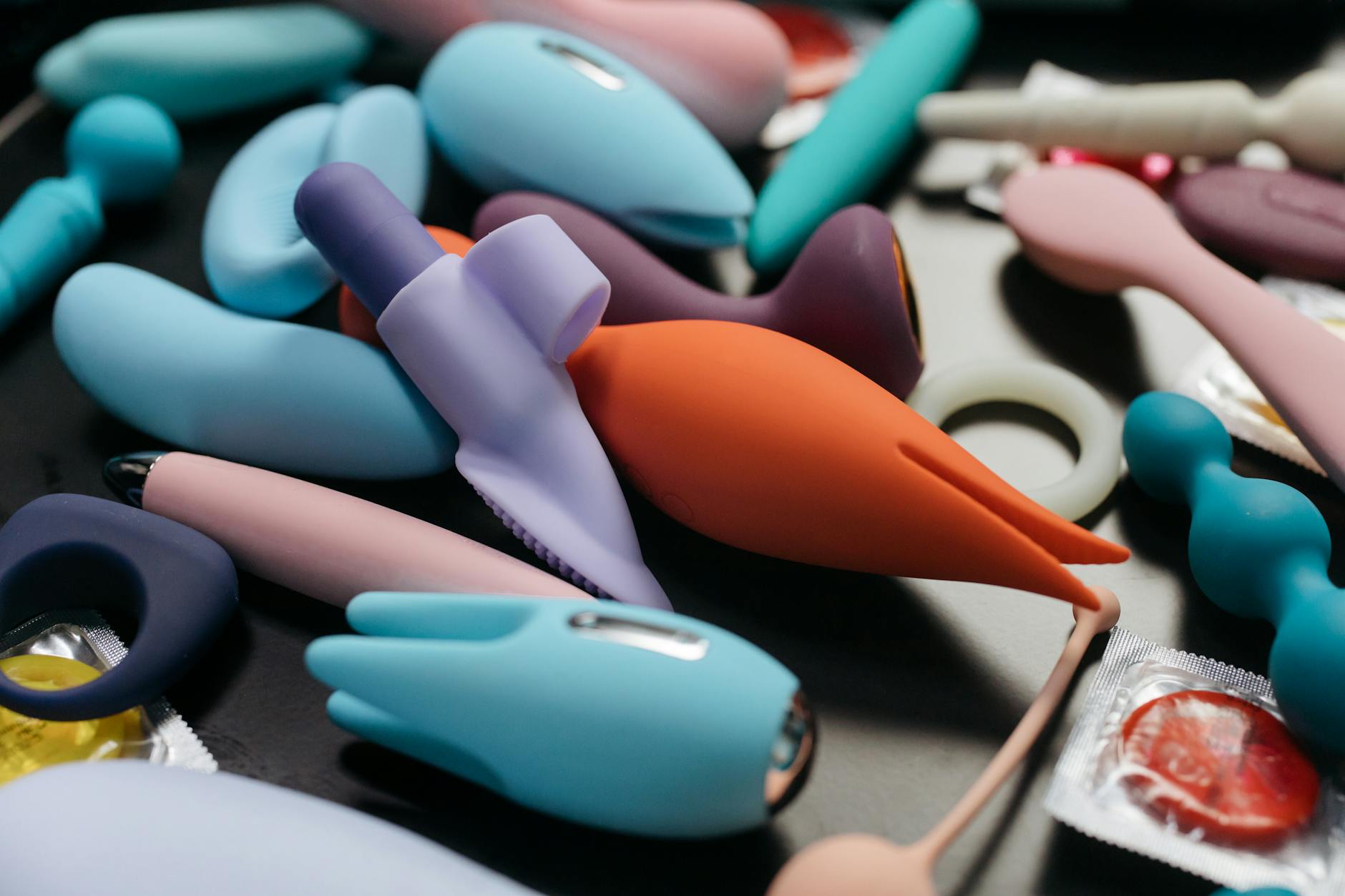
Here's where a lemon clitoral vibrator, particularly the suction-style design that Nancy's Lemon Shop makes, becomes genuinely useful. Unlike traditional vibrators, lemon clitoral vibrators use air-pulse stimulation instead of just buzzing. That distinction matters when antidepressants have dulled your sensitivity.
When genital sensation flattens, you need either more stimulation or different stimulation. A lemon vibrator delivers both. The air-pulse technology creates a rhythmic suction that works on deeper nerve endings that are less affected by SSRI dampening. It's not that it bypasses the medication, but it's a more efficient pathway to sensation when standard vibration isn't cutting through.
Second, the lemon design itself is smaller and more focused than a wand or rabbit. That precision means you can find exactly the right angle and pressure without the scattered stimulation that sometimes feels background-noise-y when your sensitivity is compromised. You're not looking for generic vibration. You're looking for specific stimulation, and a lemon clitoral vibrator gives you that control.
Practical setup: starting with lemon vibrators on antidepressants
Three things change when you're building pleasure back after medication-related flatness.
First: give yourself way more time. When you're not on antidepressants, arousal might build in five minutes. On medication, budget 20 to 40 minutes. This isn't because something's wrong. It's because the motivation phase is slower. Don't rush it. Use this time to actually be present, not to white-knuckle your way through.
Second: start at lower intensity settings. If you're using a lemon vibrator, begin at pattern one or two and sit with it. Your goal is not to reach climax in five minutes. Your goal is to reestablish the sensation itself. When you've been numb, sometimes rediscovering that you can feel at all is the win. Let that be enough for a session or two.
Third: pair the lemon vibrator with mental focus. This sounds woo, but it's neuroscience. SSRI-dampened desire benefits from directed attention. Erotica, fantasy, memory, your partner's touch, the anticipation of using a new toy. Your brain is part of your sexual response, especially when your body's baseline is flattened. Read something hot first, or have your partner touch you before reaching for the lemon clitoral vibrator. Prep the neurochemistry.
When to talk to your prescriber (and what to ask)
If you're six weeks or more into a new antidepressant and sexual function hasn't improved, that's the conversation to have. Your doctor might suggest:
Taking it at a different time of day. Some SSRIs cause less sexual impact when taken at night. This is a real, evidence-backed adjustment that works for some people.
Adding a second medication. Buspirone or bupropion can sometimes reverse SSRI-related sexual dysfunction. Neither is a magic bullet, but both have solid research behind them.
Switching medications. Some antidepressants (like sertraline at lower doses, or certain SNRIs) have lower rates of sexual side effects. If your current medication is working otherwise, this might not make sense. But if you're struggling, it's worth exploring with your psychiatrist.
The key is this: tell your doctor the truth. Don't minimize it. Sexual dysfunction is a documented side effect, not a personal failure, and your prescriber has tools to address it.
Using a lemon vibrator with your partner when desire is complicated
Here's a reality many people don't talk about: antidepressant-related flatness can create distance in a relationship. Your partner might feel rejected, or you might feel guilty, and then you're both tiptoeing around the whole topic.
If you have a partner, the most valuable conversation isn't about the vibrator itself. It's: "My medication is working for my depression, and my desire has tanked because of it. That's not about you or about us. But I want to rebuild pleasure, and I'd like your help."
Then the lemon vibrator isn't a substitute for your partner. It's a tool you're using together to solve a medical problem. That reframe changes everything. Your partner might hold it for you, might be inside you while you use it, might just be present and focused on you. The lemon clitoral vibrator becomes a way to reconnect, not avoid.
If you're single, using a lemon vibrator while on antidepressants is straightforward self-discovery. The goal is the same: rewiring your body to remember it can feel good. That matters for future partners, but more importantly, it matters for you and your relationship with your own pleasure.
Other factors that compound the problem (and how to address them)
Antidepressant-related sexual dysfunction rarely exists alone. Stress, relationship tension, body image, other medications, alcohol use, and low sleep all amplify the flatness. If you're using a lemon vibrator and still not experiencing much, zoom out.
Are you sleeping? That's the baseline. Depression medication works better when you're sleeping, and sexual response works better when you're rested.
Is your relationship otherwise okay? If you're fighting a lot or emotionally distant, no vibrator will fix that.
Are you drinking regularly? Alcohol compounds the dampening effect of SSRIs.
Have you talked to your doctor about other medications you're on? Some add to sexual side effects.
These aren't excuses. They're context. A lemon clitoral vibrator is a powerful tool, but it works best inside a system that's otherwise stable.
The long game: when antidepressants and pleasure coexist
I've worked with couples where antidepressant sexual side effects were the presenting problem, and after six months of using the right tools, desire completely rebounded. I've also worked with couples where it stayed muted but became manageable, and that was fine too. Different people, different timelines, different medications.
What matters is that you don't accept flatness as the permanent price of mental health. You stay on medication that works. You rebuild sensation with tools like a lemon vibrator. You talk to your partner about what's happening. You revisit your prescriber if things aren't improving. And you stay patient with your body as it recalibrates.
Your depression was a problem. Your medication is the solution. Your desire returning is possible. Start with a lemon vibrator, stay curious, and give yourself permission to reclaim pleasure on whatever timeline your brain and body need.
People also ask
How long does it take for sexual function to improve after starting a lemon vibrator?
There's no one answer, but I typically tell people to give it four to six weeks of consistent use before evaluating what's shifted. Some people notice sensation improvement within a few sessions. Others take longer. The key is consistency and removing the pressure to orgasm. If you're using a lemon clitoral vibrator three times a week with the goal of simply feeling, that's the right approach. Orgasm might return on its own timeline, but sensation usually rebuilds faster.
Can I use a lemon vibrator while taking other medications alongside my antidepressant?
Yes, with one caveat. If you're on medications that further suppress sensation (like some blood pressure medications or hormonal birth control), that compounds the SSRI dampening. Talk to your prescriber about whether your med stack is optimized. But using a lemon vibrator alongside other medications is safe as long as the device itself doesn't contraindicate anything (which it won't for most people). Just be honest with your doctor about what you're doing.
Is it normal that orgasm feels different on antidepressants, even with a lemon vibrator?
Completely normal. Some people describe orgasms as less intense, shorter, or requiring more stimulation. Others say the sensation moves to different parts of their body. Your nervous system is rewired by the medication. A lemon vibrator can help you access orgasm more easily, but the feeling of it might genuinely be different than before. That's not failure. That's just your body under medication. Over time, many people adjust to this new baseline.
What if my partner isn't comfortable with me using a vibrator?
That's a separate conversation from the antidepressant issue. If your partner is uncomfortable with toys in general, that's worth exploring together, ideally with a couples therapist. But if they're specifically uncomfortable because they think the vibrator means you're not attracted to them, that's about reassurance and education. A lemon clitoral vibrator isn't a replacement for your partner. It's a medical tool for a medication side effect. Frame it that way, and many partners come around once they understand.
Should I tell my doctor I'm using a lemon vibrator?
You don't have to, but it can be useful. If you're working with your prescriber to address sexual dysfunction, mentioning that you're using external stimulation to rebuild sensation shows you're taking an active role. It also helps them understand what strategies are working or not working. Keep it clinical, keep it straightforward. Most doctors won't be surprised.
Can using a lemon vibrator help me figure out if I should switch antidepressants?
Partially. If you're using a lemon vibrator consistently for six weeks and there's zero improvement in sensation or ability to orgasm, that's worth discussing with your prescriber as possible evidence that a medication switch might help. But don't use the vibrator as a diagnostic test. Use it as a genuine attempt to rebuild pleasure. If it works, you have an answer. If it doesn't, you have information for your doctor.
What comes next
Your mental health matters. Your sexual pleasure also matters. These aren't in competition. Start with a lemon clitoral vibrator, talk to your partner if you have one, and keep your prescriber in the loop. Desire can come back, and a focused, intentional approach often gets you there faster than waiting alone.
If you want to talk through your specific situation, reach out to us. We're here for exactly this kind of conversation.