
When relationship shifts kill desire
Let's be real. Libido doesn't exist in a vacuum. It's anchored to safety, novelty, emotional connection, anticipation, and sometimes just the presence of another person creating friction and urgency. Strip away any of those anchors and desire can vanish almost overnight. A breakup, a move, a new phase of partnership, an unresolved argument that sits between you both like furniture. Suddenly your body is a stranger again.
This is not dysfunction. This is your nervous system doing exactly what it evolved to do. When the emotional environment shifts, arousal recalibrates. And the longer you wait for your desire to spontaneously return, the more real the absence becomes.
The fix isn't waiting. It's remembering that pleasure is a skill you can practice solo, and that practicing alone often returns desire to partnered sex faster than anything else.
Why relationship changes tank libido
Three things happen in tandem when your relationship landscape shifts:
First, safety gets confused. Your brain was trained to recognize arousal signals from one person, one context, one routine. Change that and your body has to relearn. This takes time. Grief also looks identical to low libido in the beginning. You're not horny because you're still processing loss, not because you're broken.
Second, anticipation evaporates. If you were in a long relationship, arousal was often built on routine and predictability. Now there's either no partner, a new partner, or a partner you're rebuilding trust with. There's no script. Your body is waiting for a familiar cue that never arrives.
Third, your nervous system is stretched. Moving house? Starting a new job? Processing a breakup? Your parasympathetic nervous system (the one that runs arousal) is not going online while your sympathetic system is in overdrive managing logistics and emotion. Desire requires mental space. Right now you don't have it.
What's important to know: this is temporary. Arousal is trainable. And solo practice is the fastest way back.
Solo pleasure as nervous system retraining
Here's what I tell clients in this position. Your body needs permission to feel good again. Not with someone watching or waiting for you to finish. Just for you. A lemon vibrator, specifically a clitoral vibrator like the Lem, creates a predictable, controllable sensation your nervous system can rely on. No performance pressure. No waiting for someone else to get the rhythm right. Just consistent stimulation that teaches your body that pleasure is available again.
This is not a substitute for partnered sex. This is the bridge back to it.
Start by setting aside 15 minutes alone. Not when you're frantically checking your phone or half thinking about work. When you have genuine space. The goal is not orgasm. The goal is to feel sensation again. Many people in low-libido phases forget what arousal even feels like because they've been numb for months.
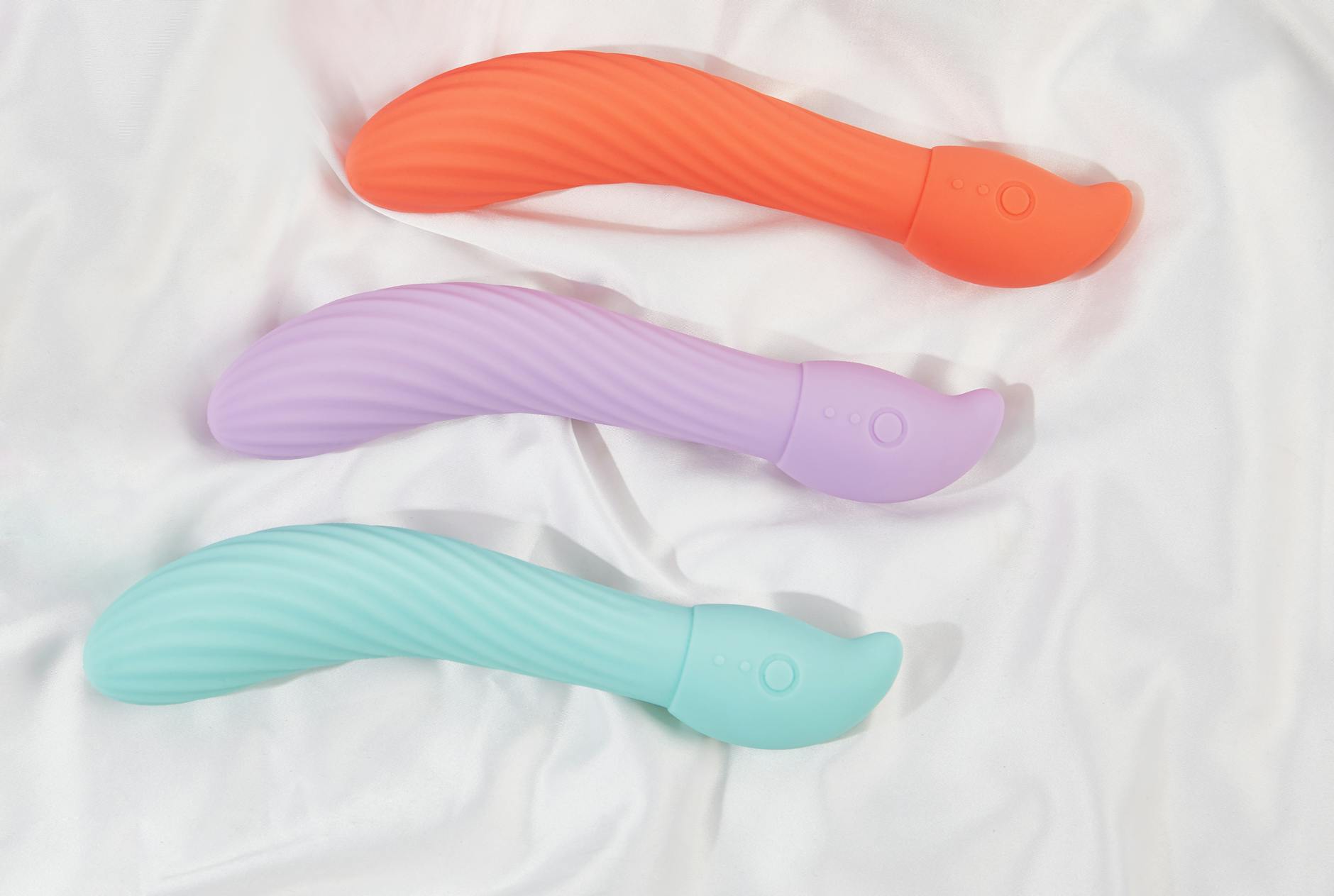
Photo by IFONNX Toys on Pexels
Starting with the Lem when desire feels distant
The reason I recommend a lemon clitoral vibrator specifically is its design. Air-suction technology doesn't demand that you already be aroused to feel something. With traditional vibrators, you need a baseline level of blood flow and sensation. The suction pattern on devices like the Lem works differently. It creates a gentle, building sensation that draws blood flow and awakens nerve endings even when your baseline is flatlined.
Here's the practical approach:
Set up your space first. Lighting that doesn't feel clinical. Maybe candles or a dimmer. You're rewiring your nervous system to associate pleasure with relaxation, not performance. Clear the space of distractions. Phone in another room, not on silent next to you.
Start at setting 1 or 2. The temptation when you're numb is to go straight to high intensity, chasing sensation. Resist that. Lower intensity actually wakes up more nerve endings over time because you're allowing your body to notice subtlety. Spend 5-10 minutes at a lower setting, even if you're not feeling much. You're training neural pathways back online.
If your mind wanders, that's fine. You're not meditating. Just notice where your attention goes and gently bring it back to physical sensation. What does the suction feel like? Rhythmic? Pulsing? Does it feel good, neutral, or too much? There's no wrong answer. You're gathering data about what your body needs.
Expect this to take time. If you've been in a low-libido phase for months, your arousal pathways are dormant. Three sessions might feel like nothing. By session seven or eight, you'll notice the difference. By two weeks, most people report that pleasure is beginning to feel accessible again.
When relationship fog meets numbness
There's a specific moment I see in my practice. Someone is rebuilding after a breakup or a major relationship shift. They're using a lemon vibrator solo, sensation is returning, but there's still an emotional weight. The numbness hasn't quite lifted. The relationship change is still too recent.
This is the time to separate the two conversations. Your body can learn pleasure again without your emotions being ready for partnered intimacy. These are different processes. Your lemon clitoral vibrator is addressing the sensory disconnect. You might need a different support system (therapy, friends, time) for the emotional part.
Make space for both. Don't expect solo pleasure to fix heartbreak. It won't. But it will remind your body that it's still capable of good sensation. And that matters more than you might think when everything feels wrong.
Rebuilding desire in a new relationship
If your libido dropped because you're in a new partnership instead of out of one, a lemon vibrator serves a different purpose. You're not training neural pathways back online because they're asleep. You're rediscovering what turns you on when the context is totally unfamiliar.
Many people default to low desire in early relationships because they're nervous. Introducing a lemon sexual toy solo first gives you space to explore what you like without worrying about your partner's reaction or timing. Then when you bring that information back to partnered sex, you're not fumbling in the dark.
Use solo sessions as research. What patterns feel good? How long does it take you to reach arousal? Do you prefer sustained sensation or variation? What was different about your desire in previous relationships? Solo exploration with a lemon vibrator answers these questions faster than months of partnered trial and error.
The timeline for libido recovery
If you're asking "how long until my desire comes back," the honest answer is variable. But research on sexual response after relationship transitions suggests that consistent solo practice accelerates recovery by weeks or even months.
Week one to two. You're noticing sensation again. Maybe not pleasure yet. Just the ability to feel something besides numbness.
Week three to four. Arousal is building more predictably. You might reach orgasm, or you might not. Both are fine. What matters is that your body is responding.
Week five to eight. Desire is beginning to feel like a choice again instead of a mystery. You know what works. You can access it intentionally.
After eight weeks. Most people report that partnered desire is returning, even if their relationship context has changed. The neural pathways are warm again. The door is open.
This timeline assumes consistency. Once weekly is better than nothing but slower. Three times weekly is the sweet spot for most people rebuilding arousal.
When to bring a partner into the picture
If you're in a relationship and your libido tanked because of changes within that partnership, there's a conversation to have before you bring a lemon clitoral vibrator into partnered sex. Your partner needs to understand that using a vibrator solo is about you rebuilding connection to your own body. It's not about them being inadequate. It's not a referendum on your attraction to them.
This is sometimes hard to hear. Many partners interpret low libido as rejection. It's your job to be clear: this is a tool for you to remember what pleasure feels like. Once you've rebuilt that solo, partnered sex often improves dramatically because you're bringing arousal back into the room instead of waiting for them to create it from scratch.
When you're ready to introduce a lemon vibrator with a partner, start in a way that feels comfortable. Some couples use it together as part of foreplay. Others prefer solo sessions before partnered sex so that arousal is already present. Neither is wrong. What matters is consent and communication about what you're doing and why.
FAQ
How often should I use a lemon vibrator if my libido is low?
Start with two to three times per week. This is frequent enough to retrain your nervous system but not so frequent that it becomes obligatory. The moment it feels like a chore, scale back. You're rewiring pleasure, not building a punishment routine.
Can using a lemon clitoral vibrator make partnered sex feel less satisfying?
No. The opposite is typically true. When solo pleasure returns, partnered sex usually improves because you're not putting all the pressure on another person to generate your arousal. You're arriving to sex already connected to your own body.
What if I don't reach orgasm when using a lemon vibrator, even after weeks?
Orgasm is not the goal of this process. Reconnection is. Many people rebuilding libido after relationship changes report that orgasm returns last, after sensation and general arousal. If you're feeling pleasure and noticing arousal, the process is working even without climax.
Should I tell my partner I'm using a lemon vibrator if we're still together?
It depends on your relationship. In healthy partnerships, yes. This isn't something to hide. Framing matters though. "I'm using this tool to reconnect with my own pleasure so that our sex life can improve" is very different from saying nothing and hoping they don't notice. Honesty builds the safety that libido needs.
Can stress from the relationship change itself block arousal even if I'm using a vibrator?
Absolutely. If the underlying relationship issue is unresolved, no vibrator will fully override that. Solo pleasure might return to 60-70% while the emotional wound is still open. Once the relationship conflict is addressed or grieving is further along, pleasure typically jumps dramatically. Sometimes therapy or couples work is the actual tool you need, and the vibrator is supportive alongside that.
How do I know if low libido is about the relationship change or something else?
Low libido can also be hormonal, medical, or medication-related. If you've explored the relationship angle and nothing has shifted after four to six weeks of consistent solo practice, check in with your doctor. But in my experience, when libido drops right alongside a relationship transition, the relationship is usually the primary factor. Give the body time and tools before assuming there's a medical cause.
Moving forward
Your desire didn't disappear because you're broken. It recalibrated because your world changed. A lemon vibrator is a tool to remind your nervous system that pleasure is still possible, even when everything else feels uncertain. Use it consistently, be patient with yourself, and notice that arousal isn't gone. It's just waiting for permission to come back online. That permission starts with you, alone, and a device designed specifically to make that reconnection gentle and reliable.
When you're ready to talk through the relationship side of this equation, reach out to us at Hello Nancy. We're here to help.