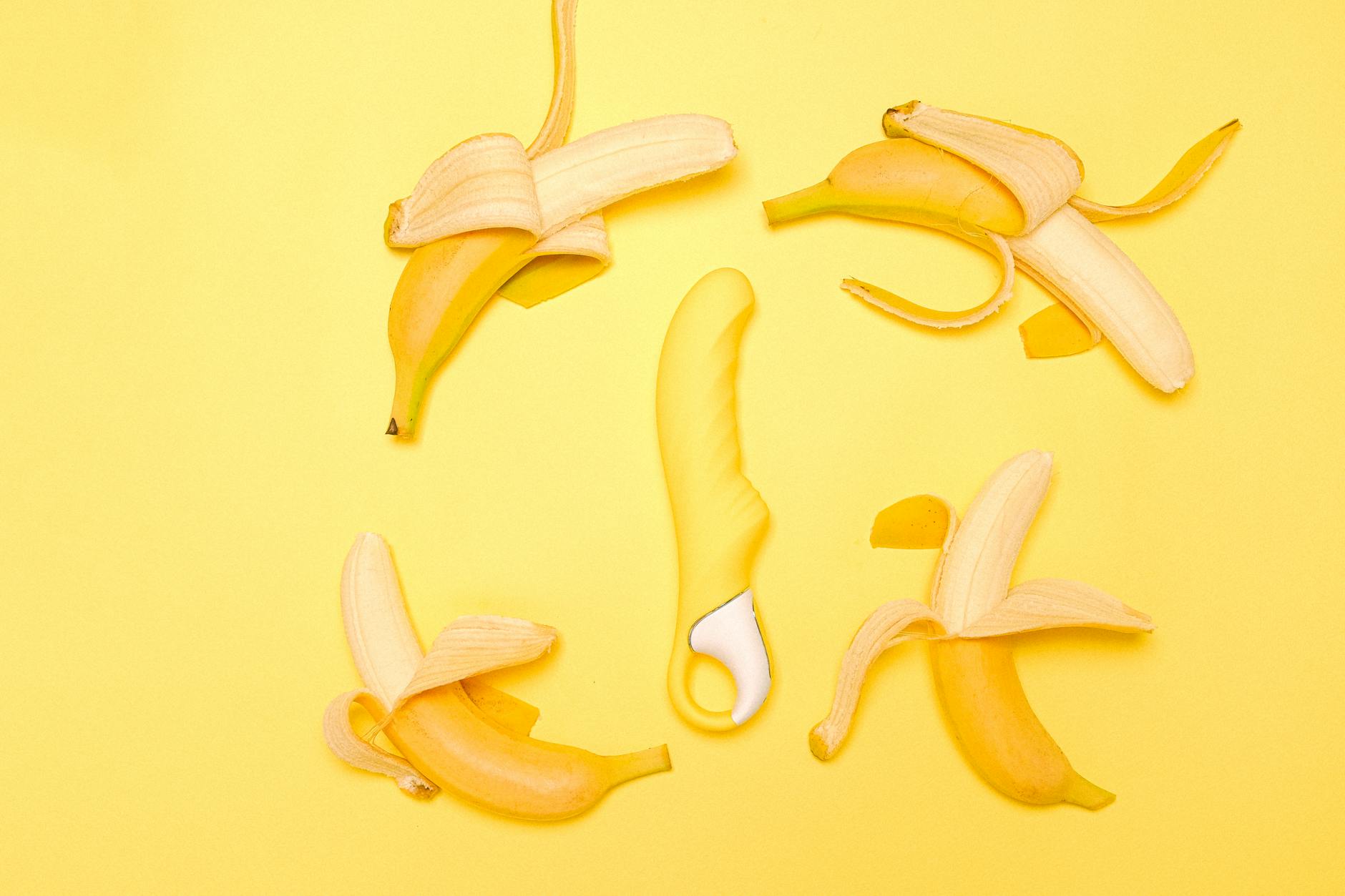
Here's what hormonal changes actually do to tissue
Let's start with the real part. When estrogen drops—whether from perimenopause, hormonal birth control, certain medications, or postpartum recovery—the tissue lining the vulva and vaginal opening gets thinner. Less estrogen means less blood flow to the area, fewer elastic fibers, and reduced natural lubrication. Your nerve endings don't disappear. The pleasure pathways in your brain don't vanish. But the tissue hosting all that sensation gets more delicate, and that changes how a lemon clitoral vibrator feels against your skin.
The good news: this is not a failure of the lemon vibrator. And it's not a failure of your body. It's a mismatch between your current tissue state and your old technique. Fix the technique, and pleasure comes roaring back.
Why intensity settings need to shift
Thin tissue is more sensitive to direct pressure and sustained vibration. If you've been using your lem vibrator on pattern 5 or 6 and suddenly it feels uncomfortable or almost raw, that's your tissues telling you they need a different approach.
Here's the counterintuitive part: lower intensity patterns often feel more intense when tissue is thin, because there's less cushioning between the vibration and your nerve endings. Pattern 1 or 2 on a lemon sucker can deliver serious sensation when you're working with delicate tissue. The suction technology of the Hello Nancy lemon vibrator actually works beautifully here because suction doesn't rely on mechanical friction the way traditional vibrators do.
Practical adjustments for comfortable pleasure
Start at the lowest setting every time. I know this feels backward if you're used to diving into higher patterns. But with thin tissue, pattern 1 is often where the magic is. Spend 5-10 minutes at this level before even considering moving up. Your tissue will warm up, blood flow increases, and what felt tentative at first becomes deeply pleasurable.
Add lubrication, always. Water-based lubricant is not optional when tissue is thinner. It's not because you're broken. It's because lubrication reduces friction and gives the tissue a gentle buffer. Apply it generously—more than you think you need. Reapply every 5-10 minutes if you're having an extended session. A lemon clitoral vibrator glides differently with lube, and that difference matters.
Build arousal longer than before. Thin tissue takes longer to engorge and prepare for stimulation. Budget 15-25 minutes for warm-up instead of 5-10. Use your hands, your partner's touch, mental focus, or a combination. The goal is to get blood flowing to the area so tissue plumps slightly and becomes more resilient. Then introduce your lem vibrator.
Angle matters more now. Avoid putting direct pressure on the clitoral glans (the sensitive tip) for extended periods. Instead, angle your lemon vibrator slightly so the suction cup or vibration stimulates the surrounding tissue and the clitoral hood. This distributes sensation more evenly and feels less intense for the delicate tissue itself. You'll often find your orgasm comes faster this way, not slower.
Recognizing when you need to pause
There's a difference between sensation and pain. Sensation that builds intensity and feels good, even if it's unfamiliar, is normal. Pain that feels sharp, burning, or raw means stop. If discomfort appears, here's what to do:
Stop using your lemon vibrator immediately. Rinse the area with cool water. Apply a gentle, fragrance-free moisturizer if you have one designed for sensitive skin. Wait 24-48 hours before trying again, and when you do, use more lubrication and lower intensity. If pain continues or gets worse, see a gynecologist or sexual health specialist. Genitourinary syndrome (tissue thinning severe enough to cause pain) is treatable, often with topical creams that work within weeks.
The role of lubrication in thin tissue pleasure
This deserves its own section because it's that important. Water-based lube does three things when tissue is thin:
It reduces friction between your lemon clitoral vibrator and your skin, which lowers the chance of micro-tears. It creates a slick surface that lets the vibrator move in ways that feel better and less intense. It keeps tissue hydrated during a session, which actually helps thin tissue respond more.
Silicone-based lubricants feel richer and last longer, but they can damage silicone sex toys over time. Stick with water-based. Brands like Astroglide or Yes are widely available and work beautifully with lemon vibrators. Some people find that adding a drop of coconut oil to water-based lube changes the feel in a way they love, though pure coconut oil alone isn't ideal because it doesn't rinse away cleanly.
Apply lube to both the vibrator and your skin. Reapply midway through a session if it starts to dry. This simple step transforms comfort and pleasure when you're working with thinner tissue.
Building confidence back into your practice
Hormonal changes often come with a emotional component. If you've been avoiding your lemon vibrator because the last few times felt uncomfortable or strange, that's worth naming. Your body didn't betray you. Your tissue changed, and the technique that worked before needed adjusting. That's it.
Start with curiosity instead of expectation. One session, just explore. Use the lowest setting, add lots of lube, take your time, and notice what feels good now. You might discover that the sensation is actually more concentrated and intense in a way you prefer. Many people with thinner tissue report that their orgasms become more clitoral and focused, which some find deeply satisfying.
If you're with a partner, this is a great time to involve them in the adjustment process. A partner can help apply lube, can provide touch in the meantime, and can simply listen while you describe what feels different. That collaboration often strengthens intimacy in unexpected ways.
When thin tissue is part of a bigger picture
Hormonal changes don't happen in a vacuum. How Lemon Vibrators Improve Pleasure After Hormonal Changes covers the broader context, but the short version: if your hormonal shift is from a medication, birth control, or a known life stage, understanding that timeline helps. Thin tissue can improve with time, topical estrogen, or systemic hormone therapy—all options worth discussing with your doctor.
While those conversations are happening, your lemon clitoral vibrator is still a tool for pleasure. Adjusting your technique doesn't mean settling for less. It means recalibrating for the body you have right now.
The technical advantage of lemon suckers for thin tissue
A lemon sucker like the Hello Nancy Lem uses suction technology instead of traditional vibration. This is genuinely valuable when tissue is thin. Suction creates a gentle, rhythmic pulling sensation that stimulates nerve endings without the direct mechanical friction of vibration alone. You get intense stimulation with less pressure on delicate tissue.
If you've tried other clitoral vibrators and they felt too intense or uncomfortable as your tissue changed, a lemon clitoral vibrator might feel radically different. The suction pattern, especially at lower intensities, distributes sensation in a way that many people find more comfortable and more pleasurable than traditional wand vibrators.
Questions people actually ask
Can thin tissue from hormonal changes get thicker again?
Yes, sometimes. If the thinning is from low estrogen due to medication or life stage, increasing estrogen—through HRT, topical creams, or simply time—can restore tissue thickness. If it's from postpartum recovery, tissue typically thickens back up as hormones stabilize, often within 3-6 months. Talk to your doctor about your specific situation.
Does using a lemon vibrator on thin tissue cause more damage?
Not if you adjust your approach. Lower intensity, generous lubrication, and longer warm-up time mean you're stimulating delicate tissue safely. The damage happens when you keep using the old technique without adjustment. Once you dial in the right intensity and lube situation, pleasure is safe.
Is water-based lube really that different from silicone?
Yes. Water-based lube is gentler on thin tissue and easier to clean up, though it dries faster and needs reapplication. Silicone lasts longer but can degrade silicone toys over time and sometimes feels less natural. For thin tissue, water-based is your best bet.
What if lower intensities still feel uncomfortable?
Try even gentler exploration. Some people find that using the lemon vibrator over clothing or with a thin barrier feels less intense while still pleasurable. Or pause for a month, see a gynecologist, and revisit once you've either healed or started treatment. There's no deadline here.
Can I use my lemon vibrator differently if my tissue is thin?
Absolutely. Instead of direct clitoral stimulation, angle the suction cup to stimulate the tissue around the clitoral hood. Use it on the inner labia or the perineum. Or use it as foreplay on your body before any genital contact. A lemon clitoral vibrator is flexible. Your technique can be too.
How long does it take to adjust to using a lemon vibrator with thin tissue?
One to three sessions, usually. Once you dial in the right intensity and lubrication, your body adapts quickly. If you're not feeling comfortable after three attempts, see a healthcare provider or consider consulting a sexual health specialist.
Moving forward
Thin tissue from hormonal changes is temporary, manageable, or sometimes permanent. What it isn't is a reason to stop experiencing pleasure. Your lemon vibrator still works. Your body still has the capacity for sensation and orgasm. The bridge between here and there is technique, lubrication, and patience.
Start low. Add lube. Take your time. Notice what feels good. Adjust from there. That's the whole practice, and it works.
If you have questions about your specific situation or want to explore how to rebuild intimacy during hormonal transitions, reach out. You deserve pleasure that feels good right now, not someday when your body is different.