Let's be real about what menopause does to pleasure
Menopause changes how your body responds to touch. It does not erase your capacity for pleasure or orgasm. But the difference between "it's different" and "it's broken" is worth spelling out, because most people get either terrible information or no information at all.
When estrogen drops, your clitoral tissue becomes thinner and less densely vascularized. Blood flow changes. Lubrication doesn't arrive as automatically. The pelvic floor loses some elasticity. These are real, measurable shifts. They also happen to be the exact reason why lemon vibrators and air-suction devices work so much better for post-menopausal bodies than traditional vibration alone.
How your clitoris actually responds after menopause
Your clitoris has roughly 8,000 nerve endings, and menopause doesn't touch them. Not one. The neural pathways for arousal, pleasure, and orgasm stay intact. What changes is the tissue surrounding those nerves.
Estrogen supports blood vessel health and tissue thickness. When estrogen drops, blood vessels can take longer to dilate during arousal, and the clitoral glans itself becomes more delicate. This sounds like bad news. It's actually useful information, because it changes the strategy.
Thicker tissue tolerates direct, sustained vibration well. Thinner tissue often finds it uncomfortable or overstimulating. This is where lemon clitoral vibrators excel. Suction-based stimulation doesn't require direct contact with fragile tissue. Instead, it works by creating a gentle vacuum that draws blood into the area, activates those 8,000 nerve endings, and often produces sensations that post-menopausal bodies describe as more intense and localized than vibration alone.
Many of my clients report their most satisfying orgasms have come after menopause, not before. This isn't a polite fiction. It's a consistent clinical pattern, and the reason is usually this: they've finally stopped apologizing for what their body needs.
Why suction works better than vibration for post-menopausal tissue
A traditional wand vibrator moves back and forth thousands of times per minute. It's a hammer. A lemon vibrator uses air-pulse technology that creates rhythmic suction. It's a kiss. For tissue that's become more sensitive or thinner, that difference is everything.
Here's the mechanism. When you apply suction to the clitoral area, you're increasing blood flow locally without relying on the direct friction that can feel painful on delicate tissue. The sensation activates the same nerve clusters as vibration does, but through a completely different pathway. Many post-menopausal people find they need less warm-up time with suction, experience less discomfort, and achieve stronger, more frequent orgasms.
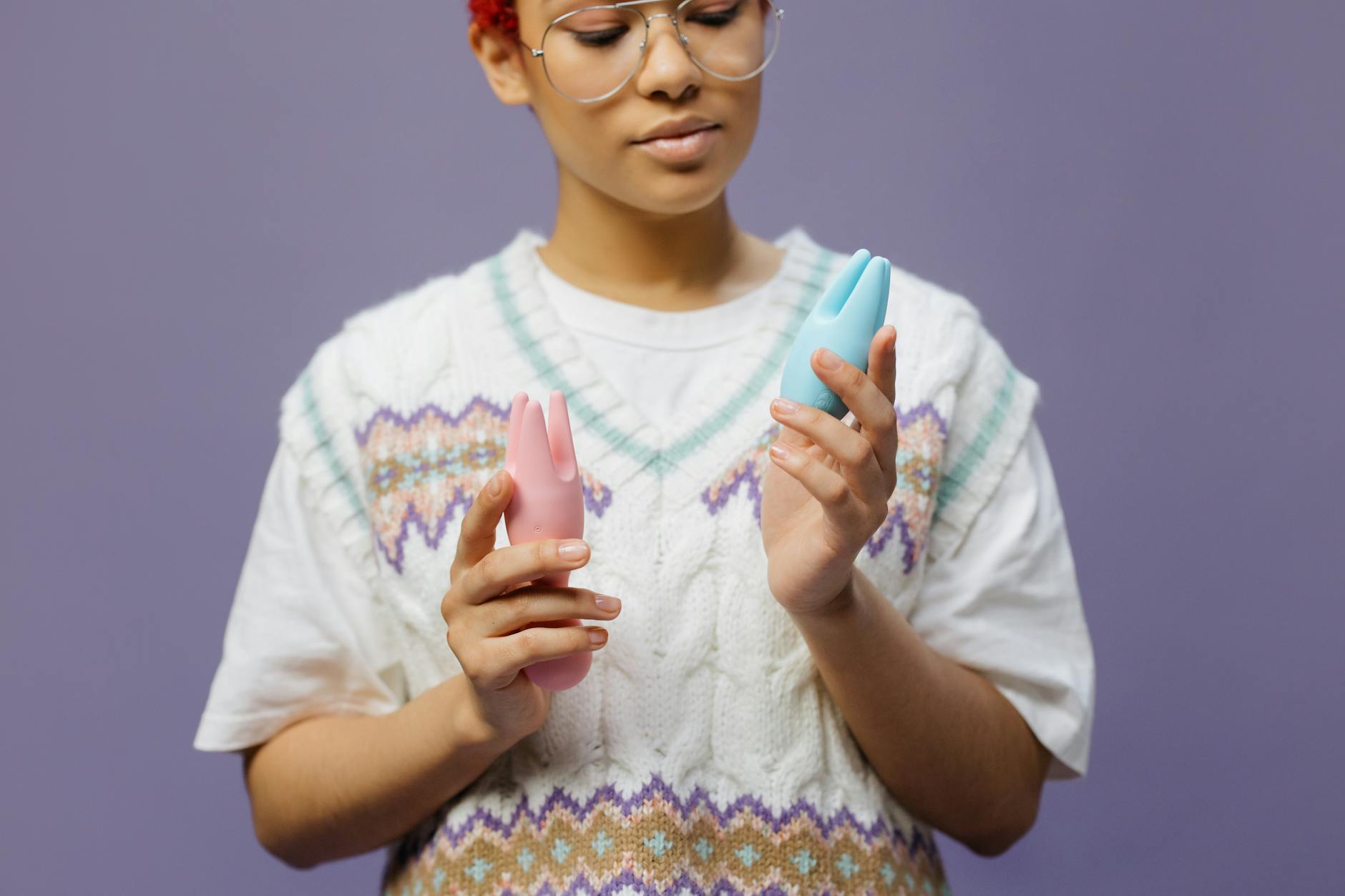
The Lem, a lemon clitoral vibrator from Hello Nancy, uses this exact technology. It doesn't vibrate at all in the traditional sense. It pulses air in patterns, and people with post-menopausal bodies often describe it as transformative, partly because it's gentle enough not to aggravate sensitive tissue, but strong enough to be genuinely effective.
The lubrication shift and what actually helps
Vaginal dryness is real after menopause, but it's also completely manageable. This is not a limitation you have to accept quietly.
Estrogen supports vaginal moisture production through a network of glands and blood vessels. When estrogen drops, those glands slow down. You might notice dryness during sex, or just generally. This is called genitourinary syndrome of menopause, or GSM, and it's treatable in multiple ways.
Water-based lubricant is the first line. It works, it's inexpensive, and you can reapply it as needed. Silicone-based lube feels silkier and lasts longer, but it can degrade silicone toys, so stick with water-based if you're using a lemon vibrator or any silicone device.
For people who want longer-term solutions, vaginal estrogen cream is worth discussing with a gynecologist. It's applied locally, so systemic absorption is minimal, and it often restores moisture and tissue thickness within weeks. Testosterone therapy is another option if desire has flatlined alongside the lubrication changes.
The point: none of this requires accepting discomfort. You have options.
How to use a lemon vibrator after menopause
The technique changes slightly when tissue is more delicate.
Start with a longer warm-up. Before introducing any device, spend 15 to 25 minutes on foreplay, either solo or with a partner. Let arousal build naturally. This gives your body time to produce its own lubrication and for blood to flow to the area, which makes the tissue more resilient and responsive.
Apply plenty of water-based lubricant. This isn't because you're broken. It's because thinner tissue benefits from it. Glide matters more now.
Begin on the lowest setting. Most lemon vibrators have multiple intensity levels or patterns. Start at level one or two and work upward only if you want to. You might find you prefer lower intensities now, which is completely normal and often leads to longer, more sustained pleasure.
Pay attention to angle. Direct suction on the clitoral glans itself can feel intense or uncomfortable. Try positioning the lemon vibrator slightly off to the side, or over the clitoral hood, rather than directly on the most sensitive part. Small adjustments in angle often make a huge difference.
Don't rush. Post-menopausal orgasms often take longer to build but feel deeper when they arrive. Budget extra time and release any expectation that things should happen on the old timeline.
What changes in pleasure (and what absolutely doesn't)
Let's separate fact from fiction, because a lot of misinformation circulates around menopause and sexuality.
What changes: the speed of arousal, lubrication production, the feel of orgasm (often more localized or concentrated), and tissue sensitivity. That's the real list.
What doesn't change: your capacity to orgasm, the intensity of orgasm, your desire, your right to pleasure, or your body's inherent worth. These things are not tied to estrogen. They're tied to neurology, psychology, and how you treat yourself.
Many people assume that if arousal takes longer, they've lost interest. They haven't. Longer arousal buildup is a side effect of slower blood flow, not lost desire. The fix is knowledge and patience, not resignation.
The mental piece matters as much as the physical
Here's what I see most often in my practice: a post-menopausal person notices a physical change, interprets it as decline, and then stops trying. The brain does the real damage.
Menopause often arrives alongside other midlife transitions. Kids launch. Relationships shift. Careers change. Grief appears. The temptation is to blame any change in pleasure on hormones. Sometimes it is hormonal. Sometimes the hormones are a convenient explanation for something deeper, like resentment in the relationship, grief about aging, or just the accumulated exhaustion of decades.
If you're working with a partner, the most valuable conversation you can have is separate from the physical stuff. "My body is responding differently to touch" is a different topic than "I want us to reconnect" or "I'm grieving the way I used to feel." Confusing those conversations turns both into dead ends.
Solo pleasure after menopause is also different because, finally, you might have permission to explore it fully. Many of my clients report that the freedom to prioritize their own pleasure, without the cognitive load of cycle tracking or fertility concerns, is the best part of menopause.
When to reach out to a professional
If pain appears during sex, don't wait to see a specialist. Genitourinary syndrome of menopause is treatable, often with topical estrogen or other straightforward interventions. A menopause-trained gynecologist can transform the experience in weeks.
If desire has completely vanished and isn't returning after a few months, testosterone therapy is worth exploring. It's prescribed more conservatively in some regions, but it's available and often life-changing for the right person.
If you're struggling emotionally with the changes in your body, a sex-positive therapist can help you process that grief and rebuild pleasure without shame. This is not weakness. This is self-care.
FAQ: Your Questions About Pleasure After Menopause
Can I still orgasm after menopause if I'm having trouble now?
Almost certainly yes. If orgasms have disappeared completely, it's usually due to one of three things: a medication side effect (SSRIs are notorious for this), a relationship dynamic that's shifted, or misinformation about what's normal post-menopause. A menopause-trained doctor can rule out medication issues. A therapist can help with relationship stuff. And reading actual science, not magazine clickbait, helps with the misinformation. Many people find that switching to a lemon clitoral vibrator after struggling with traditional vibrators is the breakthrough they needed.
Do lemon vibrators work better than other types after menopause?
For most post-menopausal bodies, yes. Suction-based devices like lemon vibrators are gentler on delicate tissue while still being effective. Traditional vibrators can feel too intense or cause discomfort. That said, every body is different. Some people prefer lower-vibration devices. Some prefer combinations of suction and vibration. The key is experimenting without shame and finding what your body actually responds to now, not what it responded to at 35.
How long does it take to adjust to pleasure changes after menopause?
Physiologically, the tissue changes take weeks to months. Emotionally, it takes however long you need. Some people adjust within a few months. Others need longer to grieve the way things used to feel and build excitement about the way they feel now. There's no timeline. What matters is being honest with yourself about what's changed and what you want from pleasure going forward.
Is vaginal dryness after menopause permanent?
No. It's manageable and often reversible. Water-based lubricant helps immediately. Topical estrogen cream restores tissue moisture within weeks for most people. Systemic hormone therapy is another option. And some people find that regular sexual activity, solo or partnered, naturally improves lubrication over time as tissues adapt. You don't have to live with chronic dryness.
Can I use the same lemon vibrator techniques I used before menopause?
Probably not all of them. Longer warm-up, more lube, lower intensity, and patience are usually necessary adjustments. What worked at 40 might not work at 55. This isn't failure. It's information. Think of it as learning a new language in your own body, which is actually kind of exciting if you stop fighting it.
Will menopause kill my sex drive?
Menopause doesn't kill sexual desire. Lowered testosterone can soften it, and life circumstances often do more damage than hormones. But the research is clear: most post-menopausal people maintain sexual interest and capacity for pleasure. Many report deeper, more authentic desire once the noise of fertility and cycles and performance pressure lifts. Your drive might transform, but it doesn't disappear.
The truth about post-menopausal pleasure
Menopause is not the end of your sexual life. Many people find it's the middle chapter, and often the most interesting one because, finally, you're not performing for anyone else's timeline or expectations.
Your tissue changes. Your timeline shifts. Your preferences might evolve. But your clitoris is still there. Your nerve endings still fire. Your capacity for pleasure remains intact. And with the right information, the right tools like lemon clitoral vibrators, and the willingness to explore your body with curiosity instead of shame, post-menopausal pleasure often becomes richer, more intense, and infinitely more on your own terms.
If you're navigating this transition and want personalized guidance on reconnecting with pleasure, reach out to us at Hello Nancy. We're here to help.