Perimenopause is not a myth, and neither are the changes
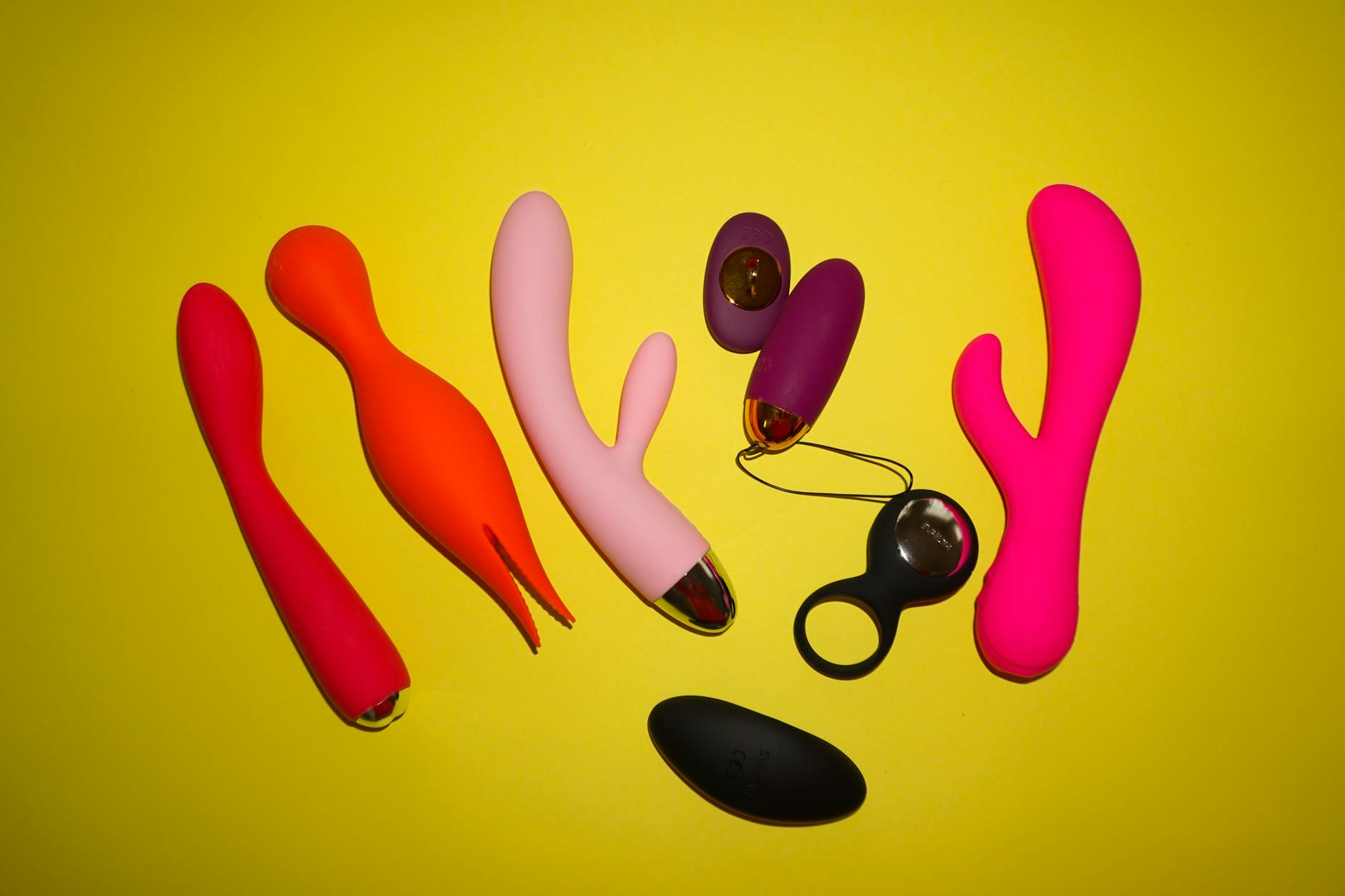
Let's be real. Perimenopause gets lost in the conversation about menopause itself. Menopause is the event (your last period). Perimenopause is the five to ten year window before that, when your hormones swing like a pendulum someone's actively pushing harder. It's when most people start noticing that their lemon vibrator, their clitoral vibrator, the tools that worked perfectly last year, suddenly feel different.
It's not your imagination. It's not your device. It's your biology mid-transition.
What actually happens to your body during perimenopause
Estrogen doesn't drop smoothly during perimenopause. It spikes and crashes unpredictably. One week your clitoris feels hypersensitive to your lemon clitoral vibrator. The next week you'd swear it's numb. Progesterone also destabilizes, which impacts desire directly. Your pituitary gland is essentially misfiring signals, and your ovaries are arguing back.
The tissues around your clitoris start thinning earlier than you'd expect. This happens because tissue health depends on consistent estrogen, and during perimenopause, consistency is the one thing you don't have. The nerve endings don't disappear, but the supporting tissue around them changes, which changes how stimulation feels.
Blood flow patterns shift too. Arousal used to mean a predictable rush of blood to your genitals. Now it arrives late, arrives inconsistently, or arrives but doesn't persist the way it used to. That affects how intensely you feel vibration and suction.
Why lemon vibrators feel unpredictable right now
A lemon clitoral vibrator works through consistent patterns of stimulation. Your clitoris, during perimenopause, is having a conversation it's not sure about. Some days the vibration feels perfect. Some days it feels too intense on tissue that's suddenly sensitive. Some days it doesn't register clearly at all.
The lower-intensity patterns on your lem vibrator that felt too gentle three years ago might feel exactly right now. The settings you relied on might feel harsh. This isn't the device changing. It's your nerve sensitivity, your tissue thickness, and your arousal baseline all shifting at different speeds.
One other thing: lubrication changes during perimenopause too. Not as dramatically as after full menopause, but noticeably. The natural slickness that used to arrive quickly now needs time, or needs external help. This affects how a lemon sucker or clitoral vibrator feels against your skin.
The emotional component that compounds the physical shift
Honestly, the physical changes are only half the story. Perimenopause arrives alongside other life transitions. Your kids might be leaving. Your relationship might be shifting. You're managing more at work or feeling invisible in spaces where you used to feel central. You might be grieving the version of your body that felt reliably yours.
That grief changes how your clitoris responds to touch. Stress elevates cortisol, which directly suppresses arousal pathways in your brain. Resentment in a partnership compounds it further. You reach for your lemon sexual toy expecting the same response, and when it's different, you assume there's a problem with desire itself. Often what's actually happening is a problem with everything around the desire.
Work through what's emotional first. Sometimes the vibrator conversation needs to wait until the life conversation is clearer.
What patterns actually help during perimenopause
Four shifts that matter most with your lemon vibrators and other clitoral vibrators:
Lower starting intensity. Start with pattern one or two, even if you used to jump to four. Give your clitoris time to wake up without overwhelming tissue that's more sensitive now. You can always increase mid-session.
Longer warm-up. Budget 20-30 minutes instead of ten. Your arousal curve isn't broken, it's just slower to build during perimenopause. Foreplay, fantasy, reading something that turns you on. Give your body time to wake up before introducing the lemon adult toy.
Lubrication, always. Water-based lube becomes your friend during perimenopause, even if you never needed it before. It's not a sign of dysfunction. It's a practical buffer between tissue that's thinning and stimulation that feels more direct than it used to.
Pelvic floor awareness. Your pelvic floor muscles are tightening during perimenopause because they have less estrogen to relax them. Learning to consciously release before and during partnered or solo play helps sensation flow. A few deep breaths, intentional relaxation. Then your clitoral vibrator or lem vibrator can actually do its job.
When sensation feels numb, not just different
If your lemon clitoral vibrator used to bring you to orgasm and now nothing registers at all, that's worth investigating. Complete numbness during perimenopause can signal a few things: medication side effects (especially certain antidepressants or blood pressure meds), blood sugar dysregulation that's common during this phase, or sometimes a thyroid issue that perimenopause exposes.
It's worth checking in with your doctor. But it's also worth knowing that lemon vibrators can help restore sensation when your clitoris feels numb or desensitized during transitions like this. The right stimulation pattern, paired with the right mindset, often brings sensation back.
The partner conversation, if there is one
If you have a partner, perimenopause changes the sexual conversation because it changes your baseline. Your needs shift. Your timeline shifts. Your comfort level with different patterns of touch shifts. The worst move is pretending nothing has changed. The best move is naming it.
Your partner doesn't need to understand perimenopause as a medical event. They need to understand it as a shift in what feels good to you right now. If you're using a lemon clitoral vibrator together, show them the lower settings you're preferring now. If you need more time to warm up, say that clearly. Most partners are relieved to know what to do rather than left guessing why sex feels different.
Your clitoris didn't fail you, perimenopause just changed the rules
The orgasms you used to have aren't gone. They're just accessing different neural pathways right now. Some people find that the shift brings deeper, more localized orgasms. Some find that the unpredictability itself becomes interesting. Some take months to find the new baseline. All of that is normal.
Keep experimenting with your lemon vibrator, your lemon sexual toy, whatever tools feel right. Notice what works this week, stay flexible, and know that in a year or two, after menopause arrives, the picture usually stabilizes again. Perimenopause is the turbulent middle. That doesn't mean it's wrong. It means you get to learn your body all over again.
FAQ: Perimenopause and Your Clitoral Vibrator
Why does my lemon vibrator suddenly feel too intense when it never did before?
During perimenopause, the tissue surrounding your clitoris thins and sensitivity often increases unpredictably. Your clitoris might feel more reactive to direct stimulation, especially during certain weeks when estrogen dips. This is temporary and normal. Try starting on the lowest pattern of your lemon clitoral vibrator and building up. If intensity remains uncomfortable, a broader stimulation tool like a suction vibrator might feel better than direct pressure.
Can I still have good orgasms during perimenopause with a lemon vibrator?
Absolutely. Orgasms don't disappear during perimenopause, but the pathway to them often changes. You might need more warm-up time, different patterns, or positioning adjustments. Many people report that orgasms actually deepen during perimenopause because the nervous system is recalibrating. Your lem vibrator is still a valid tool. You're just learning a new way to use it.
Should I switch to a different type of vibrator during perimenopause?
Not necessarily. If your lemon adult toy worked well before, it can still work now. But you might find that lower-intensity patterns feel better, or that wider surface areas (like a wand or suction vibrator) feel gentler than focused point stimulation. Experimenting is the only way to know. Many people keep their favorite clitoral vibrator and simply adjust how they use it.
Is lack of lubrication during perimenopause something I should be worried about?
Lack of natural lubrication is extremely common during perimenopause, but it's not permanent and it's not dangerous. Water-based lube is a straightforward solution. If you're avoiding lube because it feels like "cheating," remember that lube during perimenopause is simply supporting your body through a transition, the same way glasses support your eyes as you age. It's practical, not a failure.
How do I know if my decreased sensation is perimenopause or something else?
If numbness is new and widespread, check in with your doctor. It could be medication-related, blood sugar dysregulation, thyroid issues, or occasionally something specific to your pelvic nerves. If the numbness is localized to your clitoris but you still feel sensation elsewhere, and it fluctuates week to week, perimenopause is very likely the cause. A healthcare provider familiar with perimenopause can help rule out other factors.
Can my partner help if my clitoris feels numb or less responsive?
Yes. More foreplay, more varied touch, more patience with warm-up time. Your partner can also help you explore what feels good now, rather than trying to recreate what worked before. If you're using a lemon clitoral vibrator together, involve them in noticing which patterns feel best. Many couples find that perimenopause opens conversations about pleasure they'd been avoiding.
The bottom line
Perimenopausal bodies are unpredictable, and that's not a flaw in your design. Your lemon vibrators, your clitoral vibrators, the things you've relied on still work. You're just learning a new language with your body. Start slow, use lube, give yourself time, and stay curious. In a year or two, after full menopause arrives, your baseline will stabilize again. Until then, this is the messy, complicated middle. It's also where you get to know yourself as deeply as you ever have.
If you're navigating these shifts with a partner, the conversation matters more than the device. If you have questions about what's normal and what's worth investigating with your doctor, reach out. We're here for the whole journey.