How medication changes what you feel down there
Let's be real. You started a new medication for your mental health, your blood pressure, or seasonal allergies. Within weeks, sensation went flat. Your clitoris feels like it's under anesthesia. An orgasm that used to arrive in minutes now feels like climbing a mountain with weights on your ankles. And nobody tells you this is coming.
This is not in your head. Medication-induced sexual dysfunction is wildly common and wildly underreported. SSRIs and SNRIs (the antidepressants most doctors reach for) numb sensation in about 25 to 75 percent of users depending on the specific drug. Antihistamines, beta-blockers, and some antipsychotics do it too. The problem is that your doctor probably mentioned it as an afterthought, if at all.
Here's what actually happens: these medications affect dopamine and serotonin in ways that reduce blood flow to the genitals, slow down nerve signal transmission, and can make arousal feel like you're watching yourself through glass instead of being inside the experience. It's frustrating. It's also fixable.
Why a lemon vibrator works differently when sensation is muted
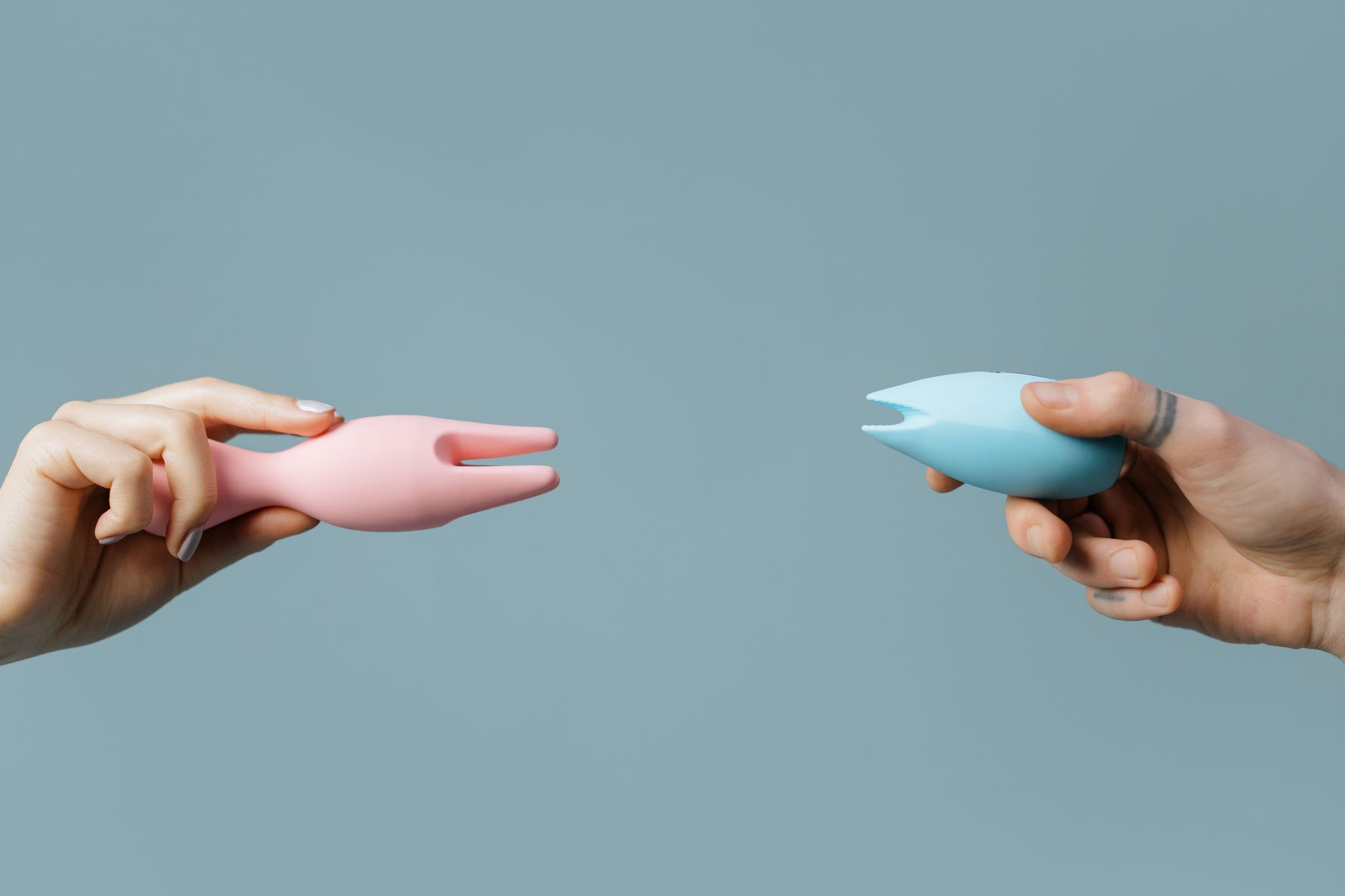
Standard vibrators rely on your nerves to pick up moderate-frequency vibrations. When medication dampens sensation, those signals get lost. Clitoral suction technology (like the Lem vibrator design) works on a completely different principle. Instead of vibration traveling through tissue, suction creates negative pressure that directly stimulates nerve clusters in the clitoris. It's harder for medication to muffle that signal because it's a mechanical pressure event, not a vibrational one.
Translated: when you feel numb, a lemon clitoral vibrator often works better than a traditional vibrator because it bypasses some of the neurological bottleneck that medication creates.
Step one: Accept the timeline shift
Your body needs more time now. Full stop. Where you used to need 5 to 10 minutes of foreplay, budget 20 to 30. Where you used to climax in 8 minutes, expect 15 to 25. This is not laziness or low desire. This is neurochemistry. The longer arousal timeline is not a problem to solve quickly. It's information to work with.
Start scheduling solo time when you're not rushed. Pressure is the enemy here because it triggers cortisol, which restricts blood flow even further. Set aside 45 minutes when you know you won't be interrupted. Treat it like a meal, not a snack.
Step two: Layer sensation with multiple contact points
When touch feels muted, you need contrast. Use your lemon vibrator on the clitoris, but also add sensation elsewhere. Run a warm or cool washcloth across your breasts. Use a vibrating wand (not suction) on your thighs or labia. Have a partner (if applicable) use their fingers or mouth on different areas while you use your toy. The brain processes multiple sensory inputs as a richer signal than single-point stimulation.
Start on the lowest pattern on your lemon clitoral vibrator (typically pattern 1 or 2). Let the suction build arousal for 3 to 5 minutes before escalating intensity. This gives your nervous system time to remember what pleasure feels like, even in a muted state.
Step three: Use breath and mental focus intentionally
When sensation feels distant, your mind wanders. Intentional breathing anchors you back into your body. Try this: slow inhale for 4 counts, hold for 4, exhale for 6. Do this for 2 to 3 minutes before you start touch. It increases genital blood flow and signals to your parasympathetic nervous system that pleasure is safe right now.
During stimulation, if you catch yourself drifting, don't fight it. Gently return focus to exactly what you're feeling: Is the suction rhythmic or pulsing? Is it centered or creating an edge? What temperature is your skin? This narration keeps your brain and body synced even when the signal is quieter.
Step four: Talk to your doctor about timing and alternatives
You don't have to choose between mental health and sexual pleasure. Three things worth discussing with your prescriber.
First, timing. Some medications create side effects that fade over weeks. Others don't. Taking your SSRI at night instead of morning sometimes reduces daytime numbness. Asking if you can take a "drug holiday" (skipping a day once weekly) works for some people, though this approach requires careful medical supervision and isn't appropriate for all medications.
Second, dosage. Lower doses sometimes preserve sexual function. Your doctor might adjust downward if your current dose is higher than therapeutic minimum.
Third, switching. Not all antidepressants affect sexual function equally. Bupropion (Wellbutrin) and mirtazapine (Remeron) are known to have fewer sexual side effects. If your current medication is tanking sensation and you've been stable on it for a while, asking about alternatives is fair.
This conversation matters. Sexual health is health. A provider who dismisses it is not listening.
Step five: Address what medication unmutes
Here's the counterintuitive part: sometimes medication that dampens physical sensation actually removes psychological barriers to pleasure. Anxiety and obsessive thoughts often block orgasm more than numbness does. If your antidepressant quieted racing thoughts or panic, your nervous system may finally have the bandwidth for arousal. You might feel less sensation but actually achieve orgasm more reliably once you work through the physical adaptation phase.
If you're in a partnered relationship, this shift can actually create opportunity. When physical sensation is muted on both sides (if your partner takes medication too, or if penetration feels harder), how to use a lemon vibrator when you want to reconnect sexually with your partner becomes more relevant. Shifting focus away from penetration toward external clitoral work often feels better for both people.
The physiology underneath: what's actually happening
SSRIs increase serotonin by preventing reuptake in the brain. This is great for mood regulation. But serotonin also suppresses dopamine in the mesolimbic reward pathway. Lower dopamine means reduced motivation for pleasure, reduced blood flow to genitals, and delayed orgasm. Additionally, these medications can lower nitric oxide levels. Nitric oxide is critical for blood vessel dilation. No dilation, no engorgement, no sensation.
Clitoral suction works partly because it mechanically creates pressure and blood flow to tissue without relying on your neurochemistry to send the signal. You're adding external pressure where medication has reduced internal capability.
If you've been taking the same medication for months and sensation hasn't improved, talk to your doctor about whether your dosage or medication class could shift. Some people do see gradual improvement over time as their body adjusts. Others plateau. Neither is your fault.
What not to do
Don't blame yourself. You didn't break your body. Don't stop taking your medication hoping sensation returns. Mental health comes first, and medication-adjusted pleasure is still real pleasure. Don't assume higher intensity vibrators will fix the problem. When sensation is muted, a more aggressive vibrator often just feels numb and buzzy, not pleasurable. Don't isolate in shame. This happens to a huge percentage of people taking psychiatric medication, and there are concrete strategies that work.
Small wins matter
You might not get back to your pre-medication experience, and that's okay. Pleasure looks different now, and different doesn't mean diminished. Some people report that once they've adapted to a lemon vibrator with muted sensation, their experience actually deepens because they stop chasing intensity and start paying attention to texture, rhythm, and mental state. Those elements were always there. Medication just forced the retraining.
Give yourself three weeks with a new approach. Track what works: which patterns on your lemon clitoral vibrator create the most sensation, what time of day feels best, whether solo or partnered feels easier right now. Your nervous system is learning a new baseline. Meet it with patience instead of frustration.
People also ask
Can you still have orgasms on antidepressants?
Yes. Most people taking SSRIs can still orgasm, but it often takes longer and requires more direct stimulation. A lemon clitoral vibrator or other suction toy is specifically designed to provide that more intense, focused pressure. Some people find orgasms feel less intense emotionally rather than physically, which is a separate conversation worth having with your doctor if it bothers you.
How long does medication-related numbness last?
It varies wildly. Some people experience reduced sensation only in the first weeks as their body adjusts. Others plateau after a few months. Some people don't experience improvement without a dosage change or medication switch. This is why the conversation with your doctor matters. Three months is a reasonable trial period to see if your nervous system adapts on its own.
Should you stop taking your medication for better sex?
No. Mental health stability is the foundation for sexual health. A medication that manages depression or anxiety is working. The goal is finding ways to reclaim pleasure within that stability, not sacrificing mental wellbeing for sensation. Your doctor can help you problem-solve without stopping your medication.
Do lemon clitoral vibrators work better than other toys when sensation is muted?
For many people, yes. Suction creates a different type of stimulation than vibration, and it often cuts through numbness better. That said, everyone's nervous system is different. Some people respond better to vibration. Try both if you can. Nancy's Lemon Shop offers other styles that might work too. The key is finding what your muted nervous system can actually feel.
Can you get sensation back without changing medication?
Yes, sometimes. Intentional strategies like the ones described here (longer timeline, multiple contact points, breath work, lifestyle changes like exercise and stress reduction) help many people recover sensation without any medication adjustments. But if three months of consistent effort hasn't shifted things, a conversation with your doctor about timing, dosage, or alternatives is worth having.
What if your partner doesn't understand why sex takes longer now?
This is genuinely important. How to use a lemon vibrator when your partner isn't interested in toys addresses some of this, but the core conversation is separate from toys. Your partner needs to understand that medication-induced changes are real, not rejection, and that adapted pleasure is still intimacy. If they won't engage with that conversation, that's a relationship issue worth addressing with a couples therapist.
What happens next
Your medication is helping your mind. Now you're learning to help your body adapt. A lemon vibrator isn't a solution on its own. It's one tool in a larger toolkit that includes conversation with your doctor, patience with your nervous system, and sometimes partner communication. Start with the timeline shift. Add sensation layering. Use your breath. Then see what shifts. Your pleasure is still there. It's just speaking a different language now.