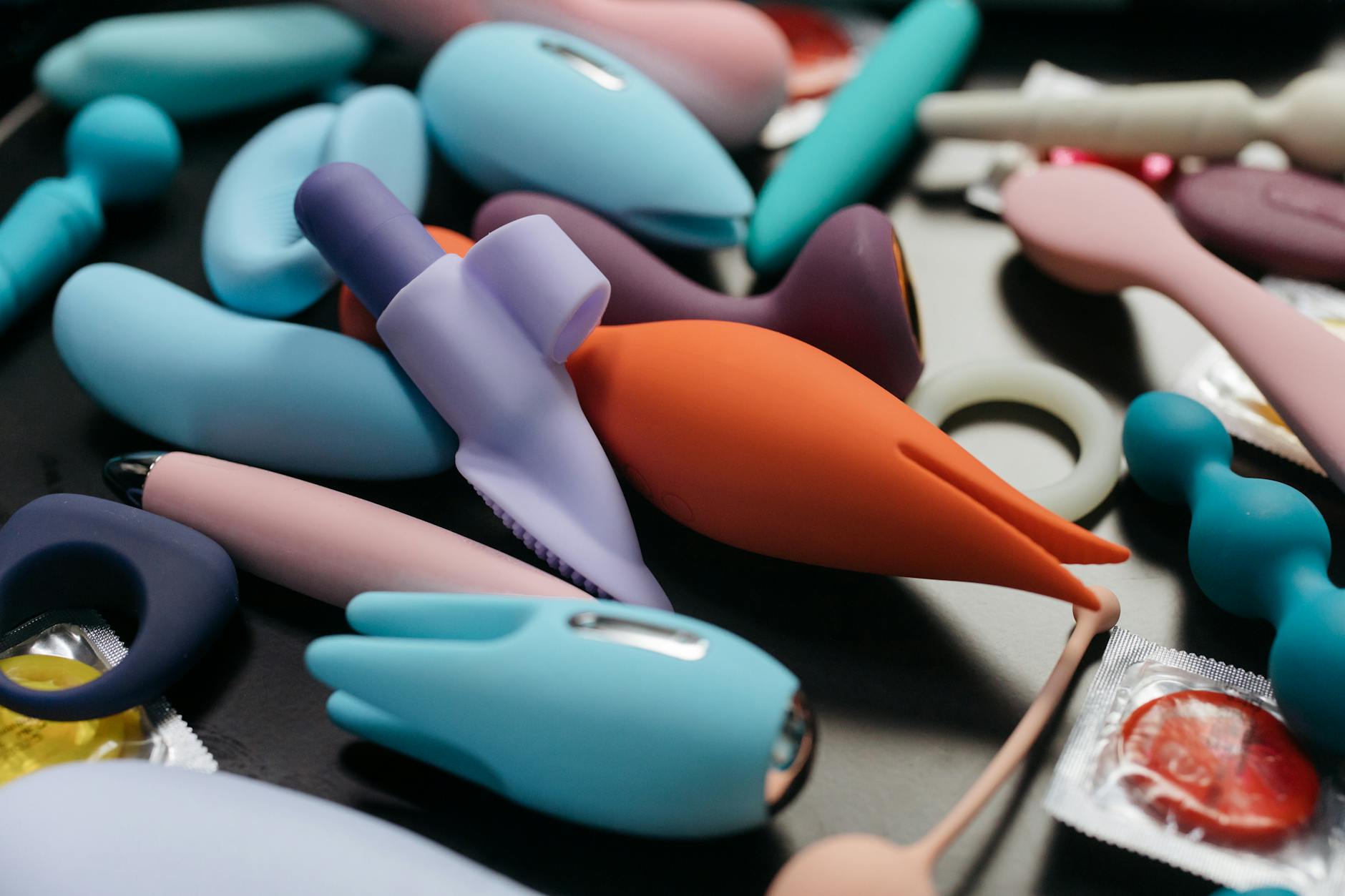
The body remembers shame longer than we expect
Here's what I hear in my practice: shame around sexuality doesn't just linger in your thoughts. It lives in your nervous system, in the way you tense up when someone touches you, in the speed at which you reach for the off switch when you're alone. Sexual shame is stored in your body the way other trauma is stored. Your muscles remember to contract. Your breath forgets how to deepen.
The good news is that your body also remembers healing. And sometimes, the path back to pleasure starts with permission. Then with patience. Then with a tool that doesn't judge, doesn't rush you, and meets you exactly where you are right now.
That's where a lemon clitoral vibrator comes in. Not as some magic fix. Not as proof you're "fixed." But as a concrete, available way to rebuild trust with yourself.
Why shame disconnects pleasure from your body
Sexual shame does something specific to your nervous system. It teaches your body that pleasure is dangerous. Not exciting. Not healthy. Dangerous. So when you try to access pleasure, your system doesn't know the difference between real threat and old messaging. Your pelvic floor tightens. Your breathing gets shallow. Your mind races instead of settling.
This isn't weakness. This is your nervous system doing exactly what it was trained to do.
When you use a lemon vibrator after shame, you're not just exploring sensation. You're sending your body a new message: this is safe. This is mine. This is allowed. Your nervous system learns through experience, not through logic. A vibrator gives your body a chance to experience pleasure in a controlled, pressureless way.
Many of my clients tell me that the first time they felt genuine pleasure after working through shame, they were shocked by how simple it felt. Not complicated. Not performative. Just their body, responding, with nothing to prove.
How to start: the permission conversation with yourself
Before you touch a lemon vibrator, you need to have a conversation with yourself about why you're picking it up. Not from shame. Not from "I should want this." But from genuine curiosity: what do I want to feel right now?
Write it down if that helps. No one will read it. The point is to separate your voice from all the other voices in your head.
Then give yourself permission to stop whenever you need to. This is crucial. Shame thrives on the feeling that you have to keep going, that you have to "succeed" at pleasure. You don't. You're rebuilding trust with your body. Trust means the option to pause is always yours.
Set your phone somewhere else. Close the door. Tell yourself: I'm doing this for me, not for anyone else. Not to fix anything. Just to explore what feels good.
The first session: starting low and slow
When you use a lemon clitoral vibrator for the first time after shame, your nervous system might feel hypervigilant. That's normal. Your body is still learning that this is safe.
Start with the lowest setting. The lemon's pattern options exist partly because not every body needs the same intensity, and partly because your nervous system needs time to acclimate. You're not aiming for an orgasm. You're not aiming for anything. You're aiming to notice.
Gently explore how the suction sensation feels on different parts of your vulva. Some people find the inner labia more sensitive. Some prefer the external. There's no right answer. Your answer is the only one that matters.
Linger somewhere and notice what happens. Does your breathing change? Does your mind settle or does it race? Neither response is wrong. You're gathering information about what your body needs.
If you feel overwhelmed, stop. Shame doesn't dissolve in a single session. It dissolves through repeated, small experiences of safety. One five-minute exploration where you feel grounded is better than a twenty-minute push that leaves you shaken.
Building the practice: rhythm and repetition
The healing part of this isn't the vibrator itself. It's consistency. Your nervous system learns through repetition. When you come back to yourself, again and again, in a space where you're safe and in control, that becomes the new pattern.
Many people find that scheduling matters. Not in a rigid way. But in a "every Thursday evening I have time for myself" kind of way. Your nervous system loves predictability. It signals safety.
On difficult days, you might only use your lemon vibrator for two minutes. You're still sending the message: I'm prioritizing my pleasure today. On days where things feel easier, you might explore longer. Neither day is a failure.
Over time, you'll notice your body begins to anticipate pleasure instead of bracing against it. Your breathing deepens before you even turn the vibrator on. Your pelvic floor relaxes more quickly. These aren't small changes. These are your nervous system learning that pleasure is available to you.
When sensation feels blocked or distant
Some days, even with a lemon clitoral vibrator, pleasure feels remote. You can feel the vibration physically but not emotionally. This happens often with shame recovery. It's called dissociation, and it's your body's way of protecting itself from overstimulation.
If this happens, don't push through. Instead, pause and try something gentler. Maybe you turn off the vibrator and just hold it, noticing the weight of it in your hand. Maybe you explore external sensation with your fingers first. Maybe you stop and come back another day.
The goal isn't to force pleasure. The goal is to stay present with whatever you're actually feeling. That's where trust rebuilds.
If sensation remains blocked for weeks, consider talking with a therapist who specializes in sexual trauma. Sometimes the nervous system needs more support than self-exploration alone can provide. That's not a sign you're broken. That's a sign you're being smart about your healing.
The unexpected benefit: learning what you actually want
Here's what almost no one tells you about pleasure after shame: once you start reclaiming it, you'll discover preferences you didn't know you had. The suction intensity that feels perfect today. The pattern that makes you laugh instead of tense. The position where your body feels most at home.
Shame flattens desire. It makes everything feel the same because it makes everything feel wrong. As shame loosens its grip, specificity returns. You start to know your own body again. You start to want things. Not because you should. Because you actually do.
That's when a lemon vibrator becomes less about recovery and more about pleasure. And honestly, that's the real shift.
FAQ: Common questions about reclaiming pleasure
Is it normal to feel guilty while using a vibrator after shame?
Completely normal. Shame doesn't switch off overnight. As you're using your lemon clitoral vibrator, you might feel contradicting emotions: relief and guilt, pleasure and fear, wanting it and feeling like you shouldn't. All of these can be true at once. The guilt doesn't mean you're doing something wrong. It means your nervous system is still learning a new pattern. It fades with time and repetition.
How long does it take for pleasure to feel "normal" again?
There's no timeline that fits everyone. Some people feel a significant shift after a few weeks of regular use. Others take months. The relationship between shame and pleasure is personal and complex. What matters is that you're showing up consistently and gently. Progress doesn't always feel dramatic. Sometimes it's just noticing that you breathed deeper this time than last time.
What if I still can't orgasm even with a lemon vibrator?
That's not a failure. Orgasm isn't the measure of recovery. Some people find that as shame decreases, orgasm becomes easier. Others find that pleasure and orgasm are separate things and they're totally happy with that. Your goal is to rebuild trust with your body. Orgasm is one possible outcome. Feeling present and safe is the actual goal.
Should I tell my partner about using a lemon vibrator?
That's entirely your choice. Some people find that privacy is essential for rebuilding trust with their own body first. Others find that partners respond with supportive curiosity. If shame involved a partner or stemmed partly from a relationship dynamic, sometimes working through that together becomes part of healing. If the shame is about your relationship with yourself, solo exploration might be where you start.
What if using a vibrator brings up old painful memories?
That can happen, and it matters. Your body is processing. If this occurs, stop and give yourself compassion. You might need to explore with a therapist before returning to solo play. Sometimes shame is tangled with trauma that needs professional support. That's not weakness. That's wisdom. You can always return to your lemon vibrator when your nervous system feels more resourced.
Can a lemon clitoral vibrator help rebuild intimacy with a long-term partner?
Absolutely. When you're rebuilding connection with a partner after shame, using a vibrator together can help you both understand what your body actually responds to. It shifts the focus from performance to exploration. It gives permission for difference. That permission is often exactly what shame has been preventing.
Moving forward: your body is your home again
Reclaiming pleasure after shame isn't linear. Some days you'll feel connected to your body. Some days you'll feel like you're starting over. This is the actual normal part of healing. Your nervous system is learning, unlearning, and learning again.
A lemon vibrator is a tool. It's not magic. But in the hands of someone who's ready to rebuild trust with themselves, it becomes evidence: your body is yours. Your pleasure matters. You deserve to feel good.
Start small. Show up consistently. Listen to what your body tells you, not what you think it should tell you. That's the whole practice.
And if you need support walking this path, that's what professionals are for. Recovery isn't solitary. Sometimes you need a guide. A therapist. A community. Or all three.
Your body remembers shame. But it also remembers healing. Give it the chance to practice.