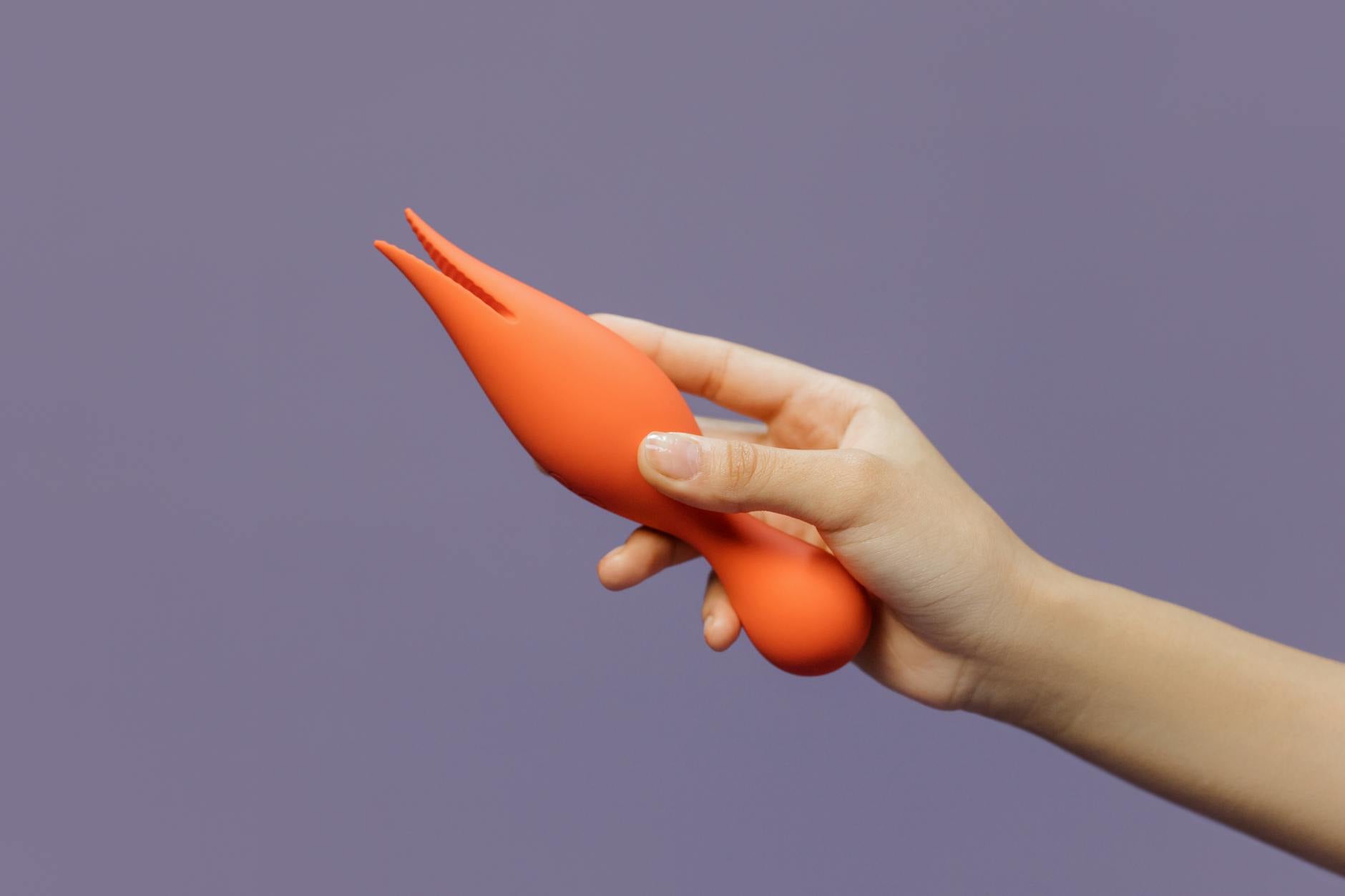
The thing no one tells you about tight pelvic floor muscles
Let's be real: if a vibrator suddenly feels numb, uncomfortable, or produces no sensation at all, your first instinct is usually to blame the toy. You might think you've built up tolerance or that you need something more powerful. But here's what's actually happening most of the time. A tight pelvic floor is like clenching your jaw so hard you can't taste your food. The sensation pathway is there, but tension is blocking the signal.
Pelvic floor dysfunction affects way more people than talk about it. Women, people with vulvas, even people with prostates can develop excessive tension in these muscles. It often arrives quietly, bundled with stress, posture habits, past pain, or anxiety around sex itself. And the cruelest part? It feels like your body is broken, when really it's just locked.
When you use a lemon clitoral vibrator with a tight pelvic floor, the experience changes in specific, predictable ways. Understanding why matters because the fix is often simpler than buying a stronger toy.
How the pelvic floor affects vibration sensation
Your pelvic floor is a hammock of muscle that supports your bladder, uterus, and rectum. It also wraps around sensitive nerve pathways that feed into the clitoris and entire vulva. When these muscles are chronically tight, three things happen to pleasure:
1. Reduced nerve sensitivity. Tension compresses nerves, which dampens signal transmission. You might feel the vibration as more of a muffled buzz than a precise, responsive sensation. This is why a lemon vibrator that used to feel incredible suddenly feels distant.
2. Pain or discomfort instead of pleasure. If tension is severe, vibration can trigger a grabbing sensation or ache rather than arousal. This often makes people avoid the toy altogether, creating a cycle where avoidance reinforces the tension.
3. Difficulty reaching orgasm. The pelvic floor naturally relaxes and contracts during arousal and orgasm. When it's already locked tight, the orgasmic reflex gets interrupted. Sessions feel effortful, even when sensation is present.
The thing is, this isn't permanent. It's muscle tension, not structural damage. Retraining happens faster than most people expect.
Why lemon suction vibrators often work better than traditional wands
This is where it gets interesting. Suction-based toys like the Lem work differently than vibrators. Instead of rapid oscillation, they create a gentle rhythmic pulse and slight vacuum effect. For people with pelvic floor dysfunction, this matters.
Traditional vibration can feel intrusive when muscles are already guarded. Your body interprets the stimulation as an invader and tightens further, which only worsens numbness. Suction, by contrast, feels more like a gentle draw. It meets the clitoris without demanding the pelvic floor to relax first. Many clients report that suction actually helps the muscles let go because there's less perceived threat.
The Lem's lower-intensity settings also mean you're not fighting against your body's defensive response. You can start with pattern one or two and let your nervous system acclimate. That gradual approach rebuilds the safety signal your pelvic floor needs to unwind.
The nervous system piece that changes everything
Here's what therapists and pelvic floor specialists know but rarely explain clearly: your pelvic floor is wired directly to your nervous system's threat detection. If you've experienced pain during sex, trauma, medical procedures, or even just chronic stress, your nervous system may have learned that pelvic stimulation equals danger. The muscles tighten in self protection.
This is not a conscious choice. It's an autonomic response, the same way your hand pulls back from a hot stove. Telling someone to "relax" during sex when their nervous system is in protective mode is like telling someone to unclench their fist while it's gripping a hot surface. It won't work until you remove the perceived threat.
Using a lemon vibrator mindfully with pelvic floor dysfunction means rewiring that threat response. Shorter sessions, lower intensity, and consistent gentle stimulation send a repeated signal: this is safe. Your nervous system gradually learns to downregulate. Then pleasure returns.
What actually helps: four practical shifts
1. Start with external stimulation only. If penetration feels uncomfortable, skip it for now. Keep the toy on the clitoral complex and labia. External work alone rebuilds sensation and safety without triggering interior tension. Many people get stuck trying to do too much too soon.
2. Use the lowest intensity settings first. If you're using a lemon clitoral vibrator, spend two weeks on patterns one and two. I know that sounds slow. But you're retraining your nervous system, not just chasing sensation. The "building" feeling might take longer, but it actually sticks.
3. Build in pelvic floor releases before pleasure time. Five to ten minutes of conscious relaxation primes the muscles. This can be gentle stretching, breathing work, or even just lying with a heating pad. Deep belly breathing especially signals safety to your nervous system. Then use the toy.
4. Combine with kegel's opposite. Everyone knows kegels. Fewer people practice releasing and relaxing the pelvic floor on purpose. Lie down, breathe in slowly, and on the exhale, imagine the muscles softening and widening. Hold that relaxation for three counts. This teaches your body that release is possible, which makes arousal actually work.
When to see a specialist
If tightness persists beyond four to six weeks of consistent, gentle practice, a pelvic floor physical therapist is worth the investment. They can do manual release work, teach you targeted relaxation techniques, and rule out anything structural. Insurance often covers this, especially if you have a provider referral.
If pain shows up during pleasure, don't ignore it. Pain is information. A pelvic floor specialist or gynecologist trained in sexual pain can diagnose what's happening and design a recovery plan. Pushing through pain only teaches your nervous system that sex is dangerous, which locks the muscles tighter.
The timeline for rebuilding sensation
Most people notice the first shifts within two to three weeks of consistent, low-intensity use. The muting lifts slightly. A lemon vibrator that felt numb suddenly has texture again. That's your nervous system starting to trust.
True restoration, where pleasure feels integrated and easy, usually takes six to twelve weeks. This isn't because the muscle needs that long to relax, but because your nervous system needs repetition to reprogram the threat response. Patience here pays off in ways that stronger toys never will.
The irony is that people often buy three or four new vibrators while they're dealing with pelvic floor dysfunction, thinking the toy is the problem. Then they finally address the tension, pick up the original toy again, and suddenly it works beautifully. The Lem doesn't change. Your body does.
What happens when you get it right
Once pelvic floor tension releases, something shifts. People often tell me that pleasure feels deeper, more integrated, and more consistent. That's not because the toy got better. It's because your nervous system finally gave permission for sensation to flow all the way through.
You also get access to the full range of what a lemon clitoral vibrator can do. The different patterns feel genuinely different, not all muffled. Orgasms build and resolve naturally. Sessions don't feel like work. It's like the difference between listening to music through a wall versus with the door open.
If you've felt stuck with pleasure lately and nothing seems to work, pelvic floor tension is worth investigating. It's one of the most fixable obstacles, and also one of the most overlooked. Rebuild the foundation, and the toys you already own often become revelatory all over again.
People also ask
Can pelvic floor dysfunction make you feel numb to vibration?
Absolutely. Muscle tension compresses the nerves that carry sensation to your clitoris. This isn't a toy problem or a desire problem, it's a tension problem. The sensation pathway is intact, but the tightness is like a dimmer switch turned down low. This resolves once you release the tension.
Is suction or vibration better for pelvic floor dysfunction?
For most people, suction is gentler and less triggering to a protective nervous system. It doesn't require the pelvic floor to relax as much to feel good. That said, some people do fine with gentle vibration. The key is starting low intensity and slow patterns. Listen to what your body tells you in those first few sessions.
How long does it take to fix pelvic floor tension?
Most people feel noticeable shifts within two to three weeks. Full restoration usually takes six to twelve weeks of consistent practice. Pelvic floor physical therapy can speed this up. The timeline depends on how long the tension has been there and what caused it, but it's one of the most treatable issues in sexual function.
Can I use a lemon vibrator while doing pelvic floor relaxation?
Yes, but timing matters. Use the toy after you've done 5-10 minutes of breathing or stretching that signals safety to your nervous system. Don't use it as a relaxation tool itself, at least not at first. Once tension releases, sure, use it for pleasure. But early on, separate the two practices.
Should I avoid the toy completely while working on pelvic floor dysfunction?
No. Avoidance actually reinforces the tension and the protective response. Instead, use the toy with intention and low intensity. This sends your nervous system the repeated message that pelvic stimulation is safe. Consistent, gentle engagement is part of the healing, not something to skip.
What if pelvic floor relaxation doesn't fix the numbness?
That's a signal to see a specialist. Occasionally, numbness points to something beyond simple muscle tension, like nerve irritation or structural changes. A pelvic floor physical therapist can assess what's actually going on and design a plan. Don't assume it's permanent.
What comes next
If pelvic floor tension resonates with what you're experiencing, start small. Pick one lemon clitoral vibrator, set it to the lowest intensity, and give yourself permission to go slow. Your body isn't broken. It's just protecting itself. Rebuilding the signal between protection and pleasure takes patience, but it's absolutely doable.
For more on how pleasure works across different bodies and life stages, explore how lemon vibrators help with desire and arousal after antidepressants or how to use a lemon vibrator with thin tissue from hormonal changes. Both cover nervous system and tissue shifts that intersect with what you're learning here.
If you have specific questions about your situation, reach out. Sometimes naming what's happening is the first step toward fixing it.